Plan a Simple Storage Location Map
A storage location map can connect a small index to real shelves or boxes. Simple labels are usually enough when the collection is modest.
Read the note ↓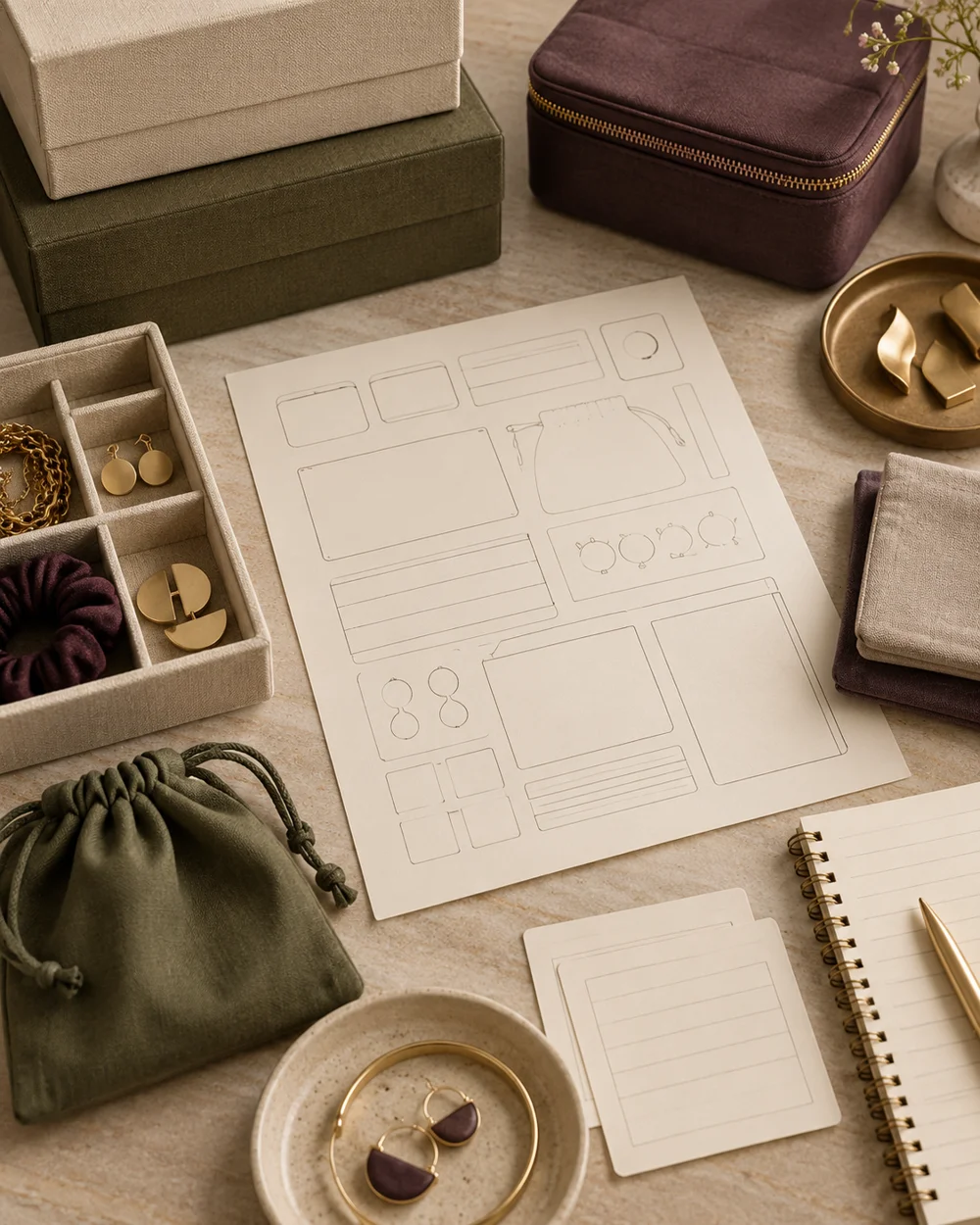
NOTE 01
Set a clear starting point
Choose short codes for existing storage spaces and note which items actually belong there. Keep labels clear of delicate finishes and moving hardware.
NOTE 02
Keep the facts together
Draw a broad outline of the relevant shelf or drawer arrangement. Use a simple sketch rather than a precise plan of your home or private security details.
NOTE 03
Make the record practical
Test finding a few items from the map and correct unclear codes. Keep borrowed pieces, repair items, and ordinary ready-to-use accessories visibly distinct.
NOTE 04
Review and update
Update the map after a move and remove obsolete locations. It should save searching without becoming a detailed public record of valuables.
Before you go.
What is the most useful detail to remember?
Map only the level of detail needed to find the ordinary items.
What should I establish before starting?
Choose short codes for existing storage spaces and note which items actually belong there. Keep labels clear of delicate finishes and moving hardware.
Original editorial guidance. Photographs are AI-generated concepts; they do not show verified products, material specifications, or tested results. Sources & approach.
Save to Pinterest ↗FOLLOW THE DETAIL
A note to read next.
Wardrobe notes
Create an Accessories-Only Wardrobe Index
Read the note ↗
Wardrobe notes
Make a Color Reference Page From Existing Items
Read the note ↗
Wardrobe notes