Set Up a Simple Fragrance Observation Notebook
A fragrance notebook can help you remember what you actually noticed before considering a purchase. A short, repeatable page is more useful than a large collection of vague ratings. Start with products you can identify and keep descriptive notes separate from ingredient checks and the maker’s instructions.
Read the note ↓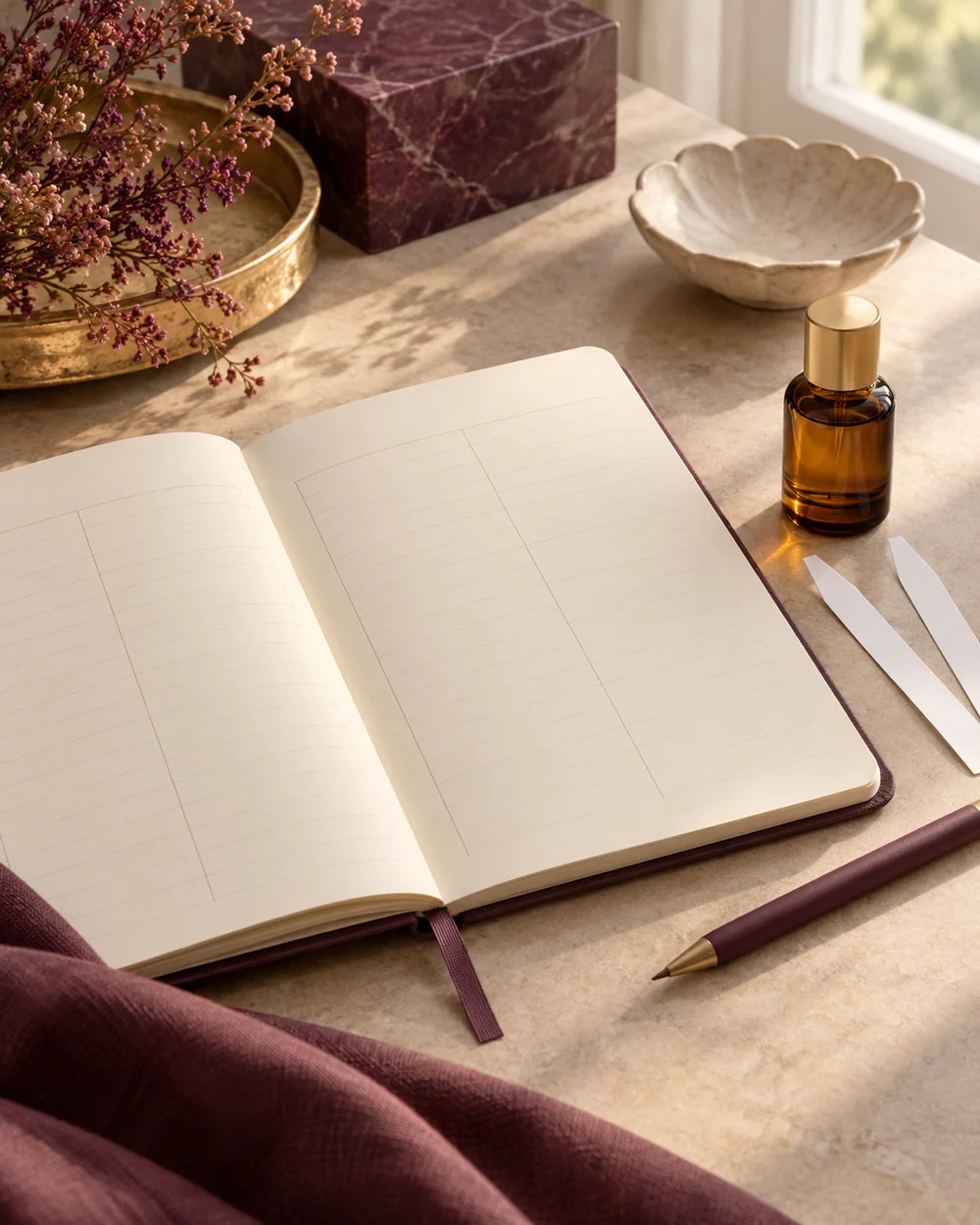
NOTE 01
Make room for the facts
Write the product name, maker, format, and date first. Note where the sample came from and link or refer to its current ingredient information. Record an alcohol-free statement or certification only when you have reliable documentation for that exact product. Leave uncertain details visibly marked as unknown.
NOTE 02
Record the conditions
State whether the impression came from a retailer-prepared blotter or another maker-approved paper sample. Add the time and any relevant ordinary context, such as other fragrances nearby. Keep each strip identified and avoid stacking wet strips into the notebook, where they may stain or transfer scent.
NOTE 03
Use a few prompts
Divide the page into first impression, later impression, and what I would like to compare. Choose plain words that mean something to you. A simple preference sentence is enough; there is no need to invent a numerical score. Paper observations cannot establish how long a fragrance will last on a person.
NOTE 04
Review before adding a bottle
Return to a few older notes and look for repeated preferences. Distinguish a product you enjoyed noticing from one you actually need to own. Keep a small revisit list rather than turning every favorable sample into a shopping task. Store original product directions separately and use the notebook as a personal memory aid.
Before you go.
Do I need a large fragrance collection?
No. One or two properly identified samples are enough to begin a comparison notebook.
Can I store wet sample strips between the pages?
Avoid it. Wet strips can mark paper and transfer scent; keep samples separate and follow appropriate product handling directions.
Original editorial guidance. Photographs are AI-generated concepts; they do not show verified products, material specifications, or tested results. Sources & approach.
Save to Pinterest ↗FOLLOW THE DETAIL
A note to read next.
The scent wardrobe
A clearer label. A better question.
Read the note ↗
The scent wardrobe
Create a Finished-Fragrance Inventory
Read the note ↗
The scent wardrobe
Record Where a Fragrance Sample Came From
Read the note ↗
The scent wardrobe
Keep Current Product Directions With Your Scent Notes
Read the note ↗
The scent wardrobe
Separate Verified Product Facts From Personal Preferences
Read the note ↗
The scent wardrobe
Make an Alcohol-Free Product Information Checklist
Read the note ↗
The scent wardrobe
Keep Halal Certification Questions Separate From Scent Notes
Read the note ↗
The scent wardrobe
Record a Fragrance Product Version Before Comparing It
Read the note ↗
The scent wardrobe
Create a Small Fragrance Revisit Notebook
Read the note ↗
The scent wardrobe
Plan a Fragrance Shelf Without Direct Display Clutter
Read the note ↗
The scent wardrobe
Keep Fragrance Bottles Upright in a Stable Tray
Read the note ↗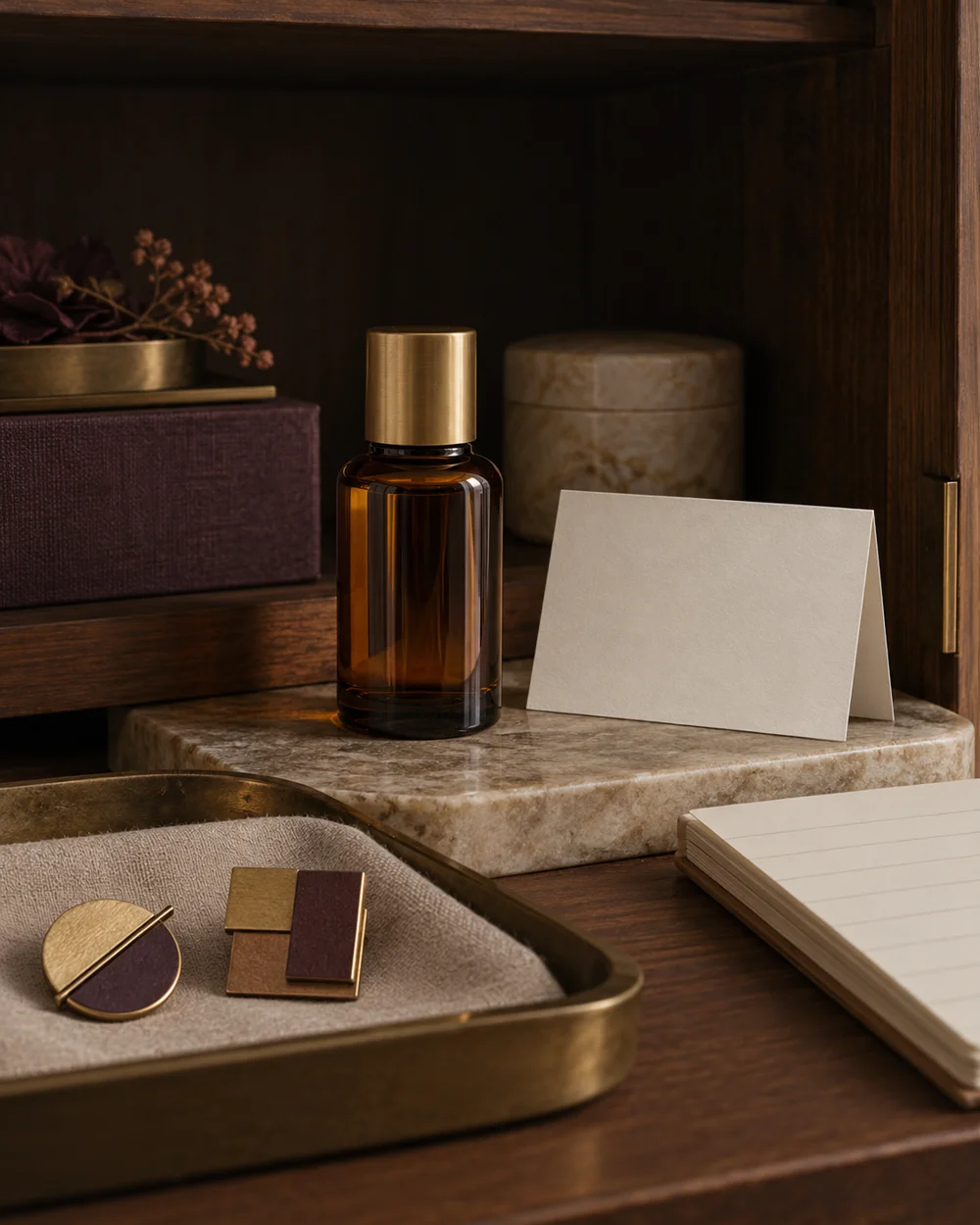
The scent wardrobe
Store a Fragrance According to Its Own Label
Read the note ↗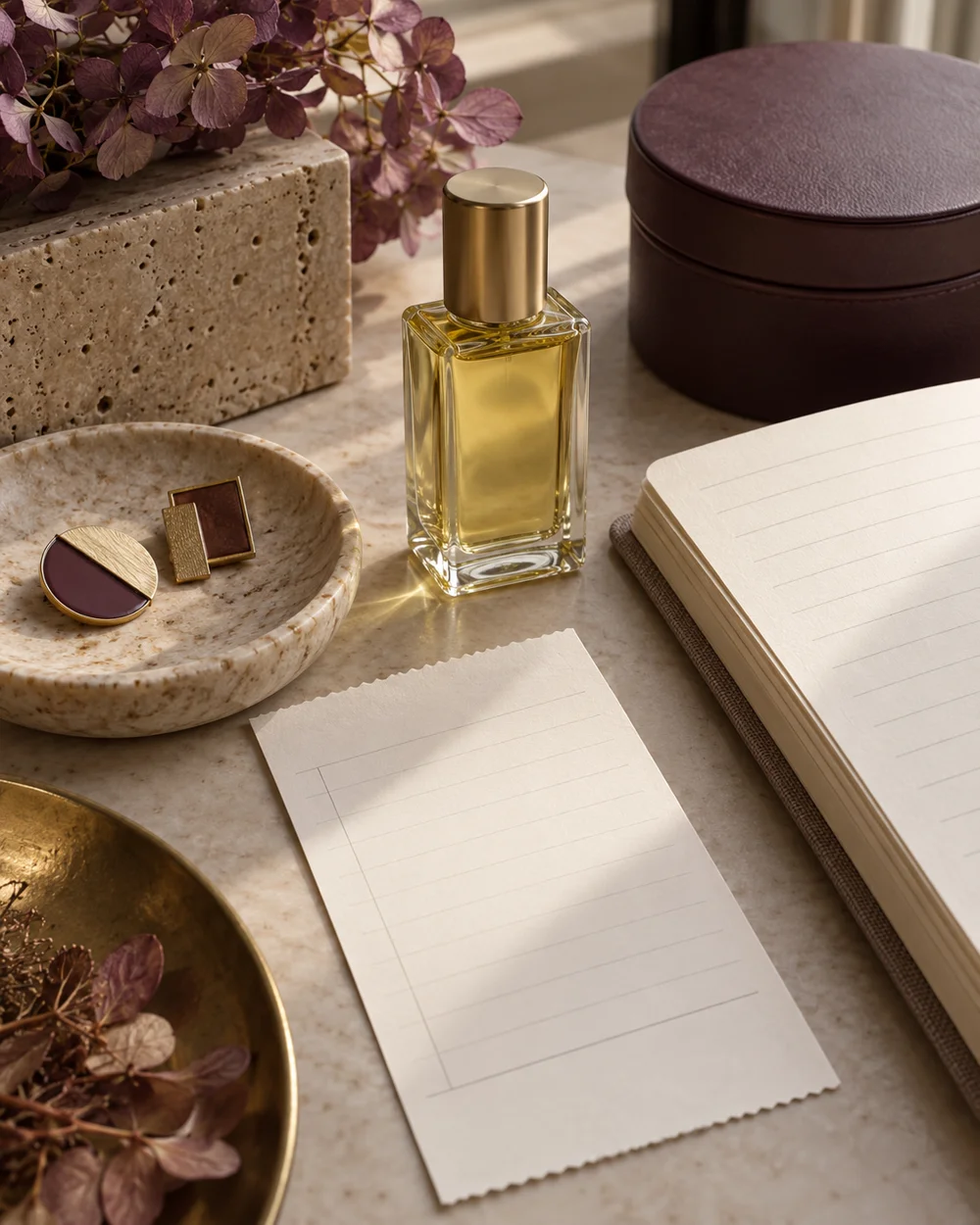
The scent wardrobe
Keep a Simple Fragrance Purchase Record
Read the note ↗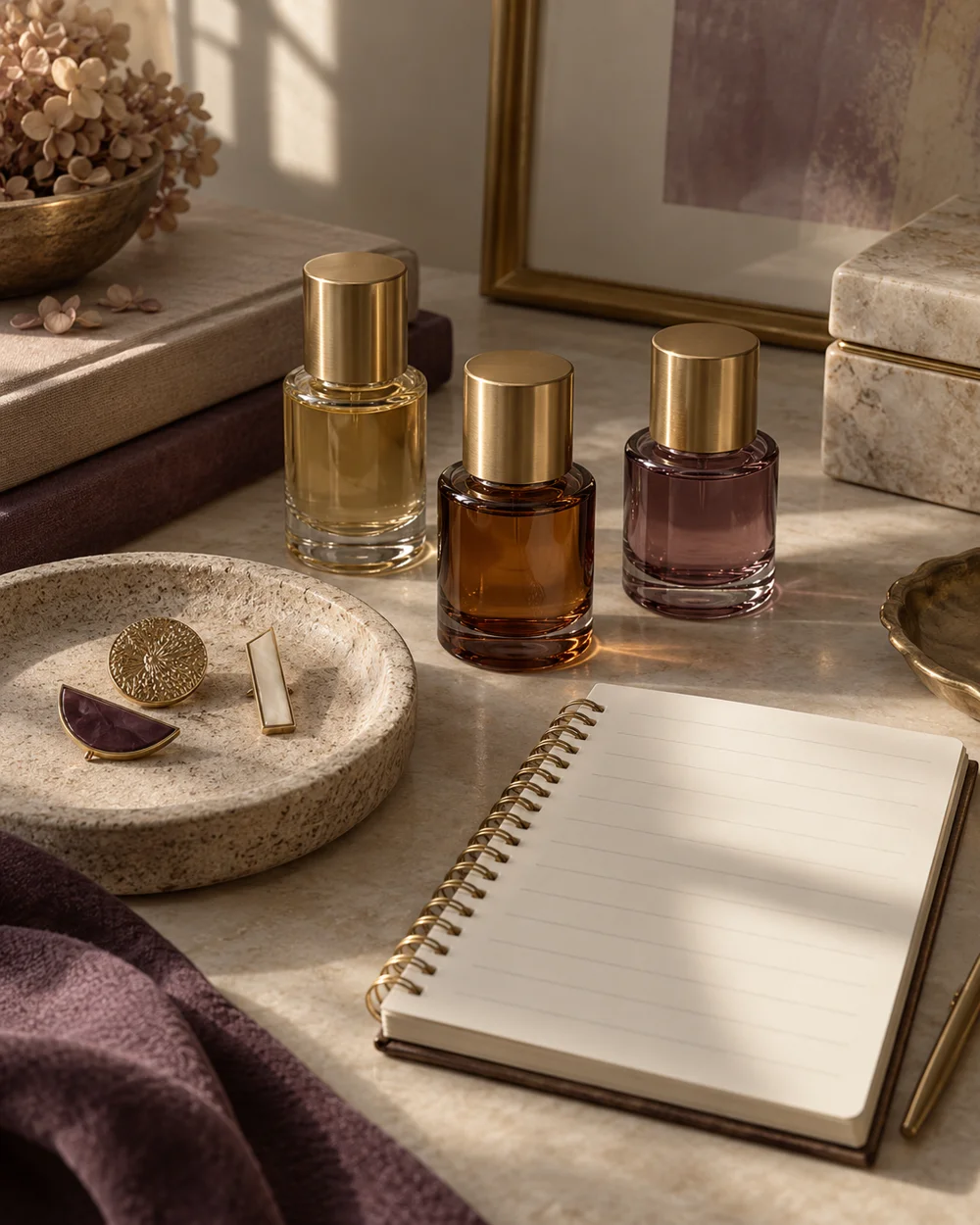
The scent wardrobe
Build a Small Fragrance Wish List Without Duplicate Purchases
Read the note ↗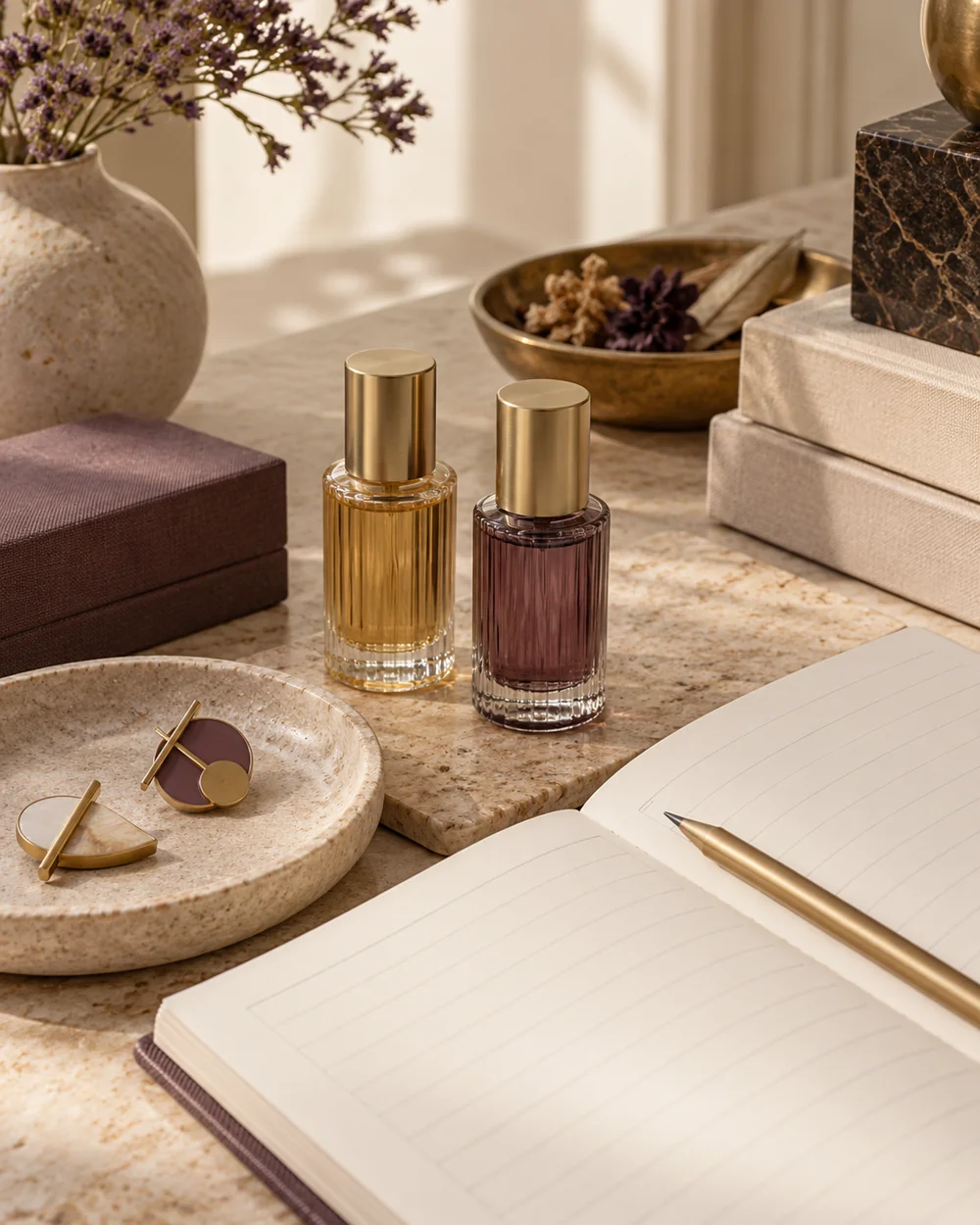
The scent wardrobe
Set Up a No-Purchase Fragrance Review Session
Read the note ↗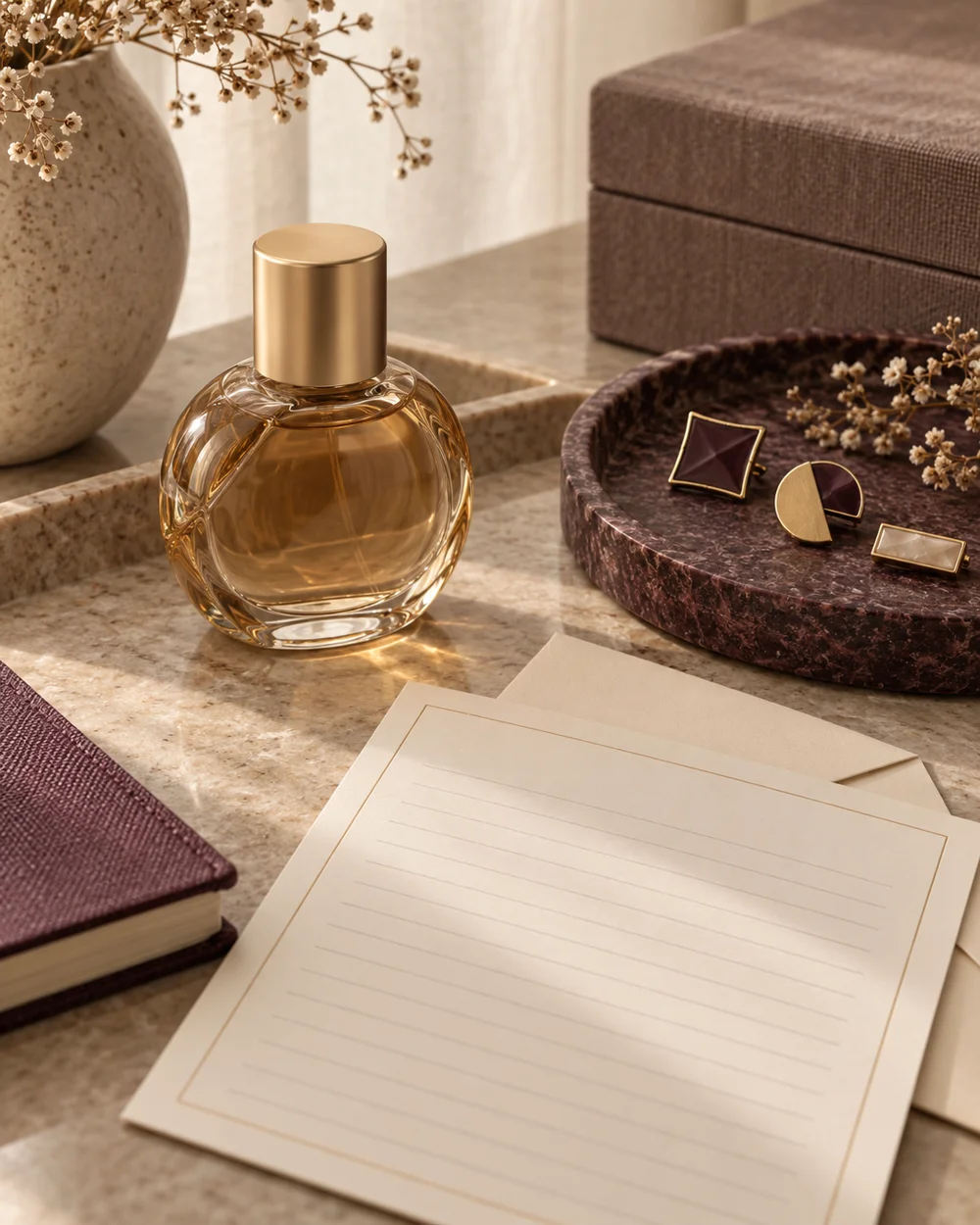
The scent wardrobe
Create a Product Information Question Sheet for a Maker
Read the note ↗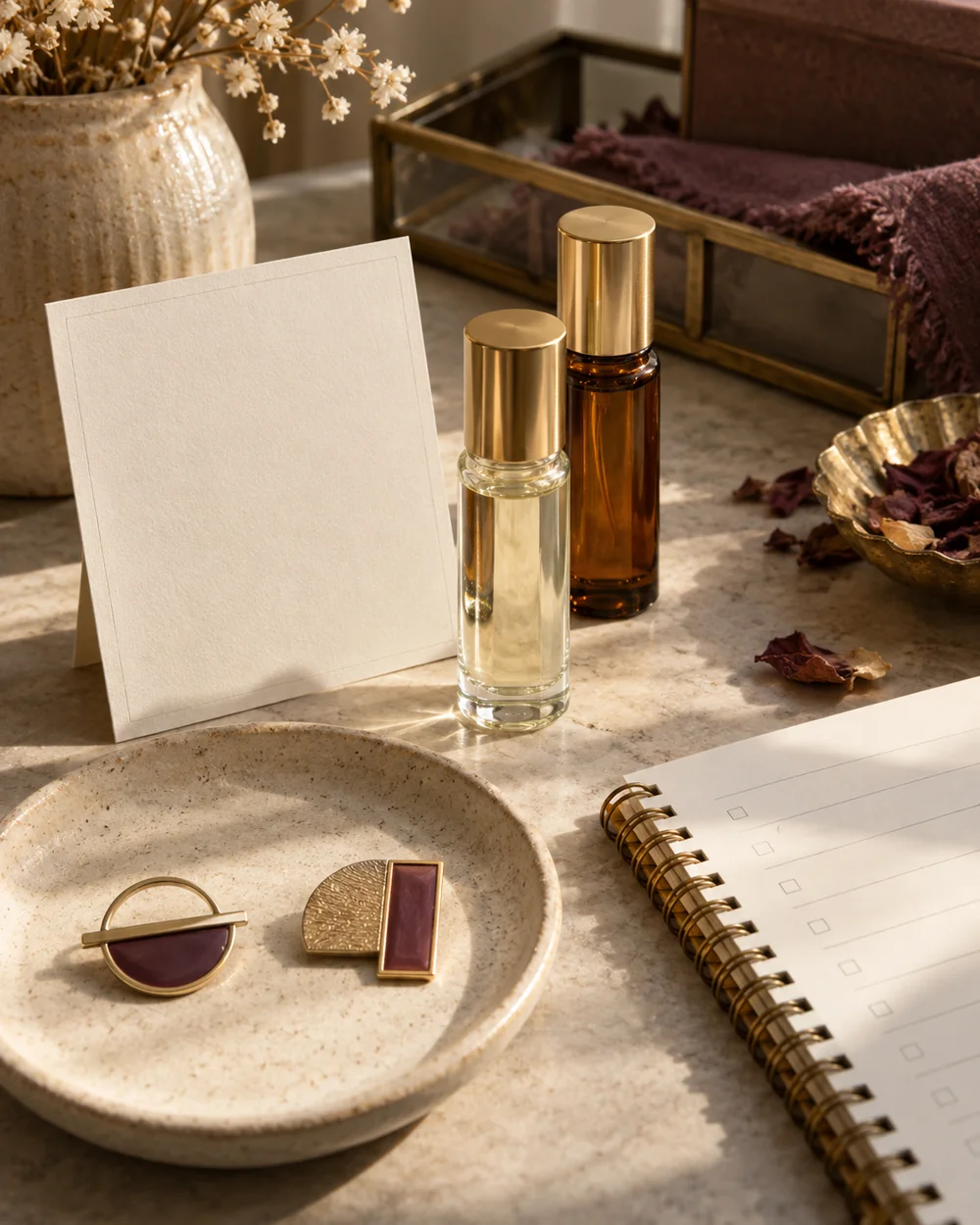
The scent wardrobe
Keep Bottle Appearance Separate From Composition Claims
Read the note ↗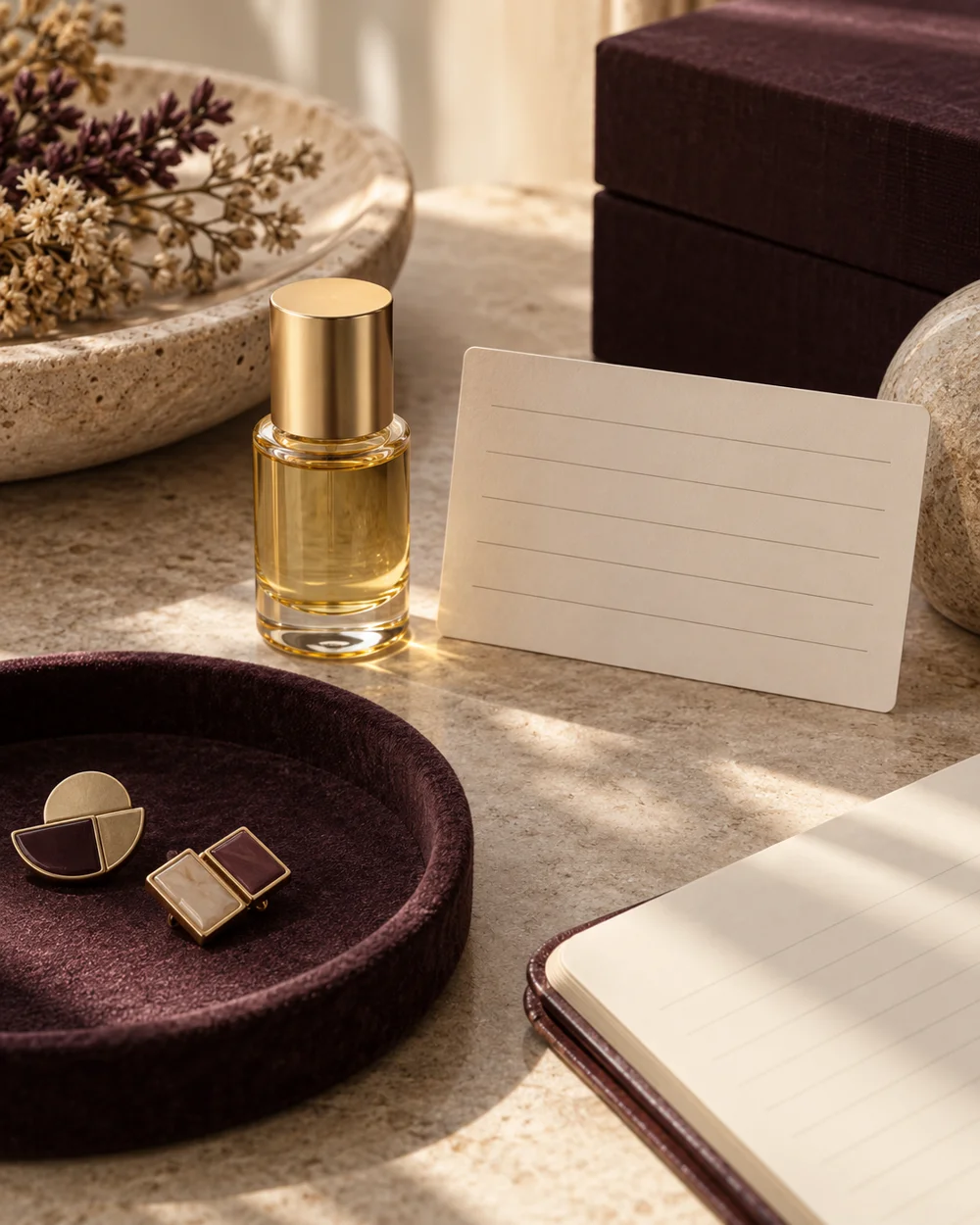
The scent wardrobe
Record an Unverified Fragrance Detail Clearly
Read the note ↗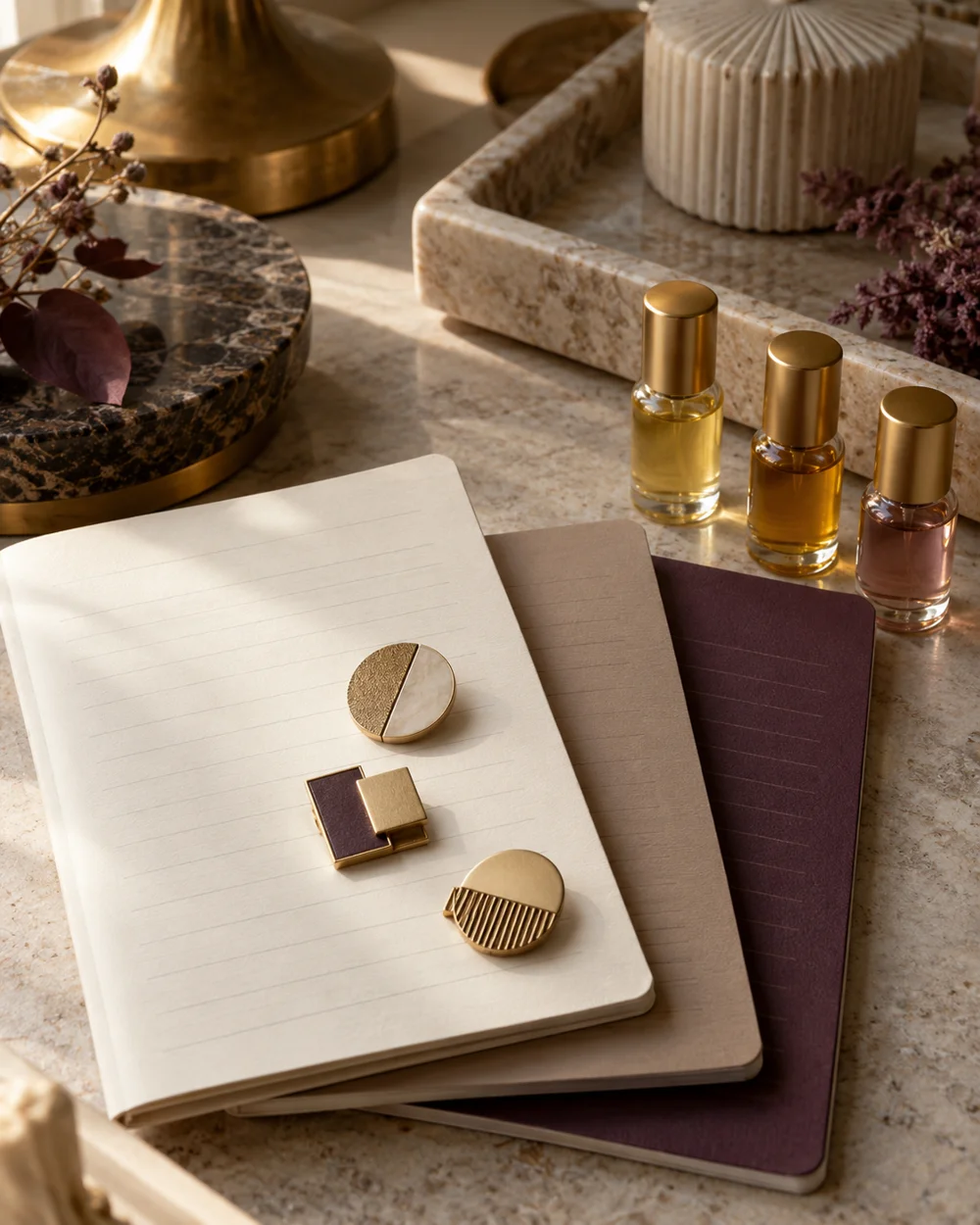
The scent wardrobe
Organize Scent Notes by Product Instead of Marketing Theme
Read the note ↗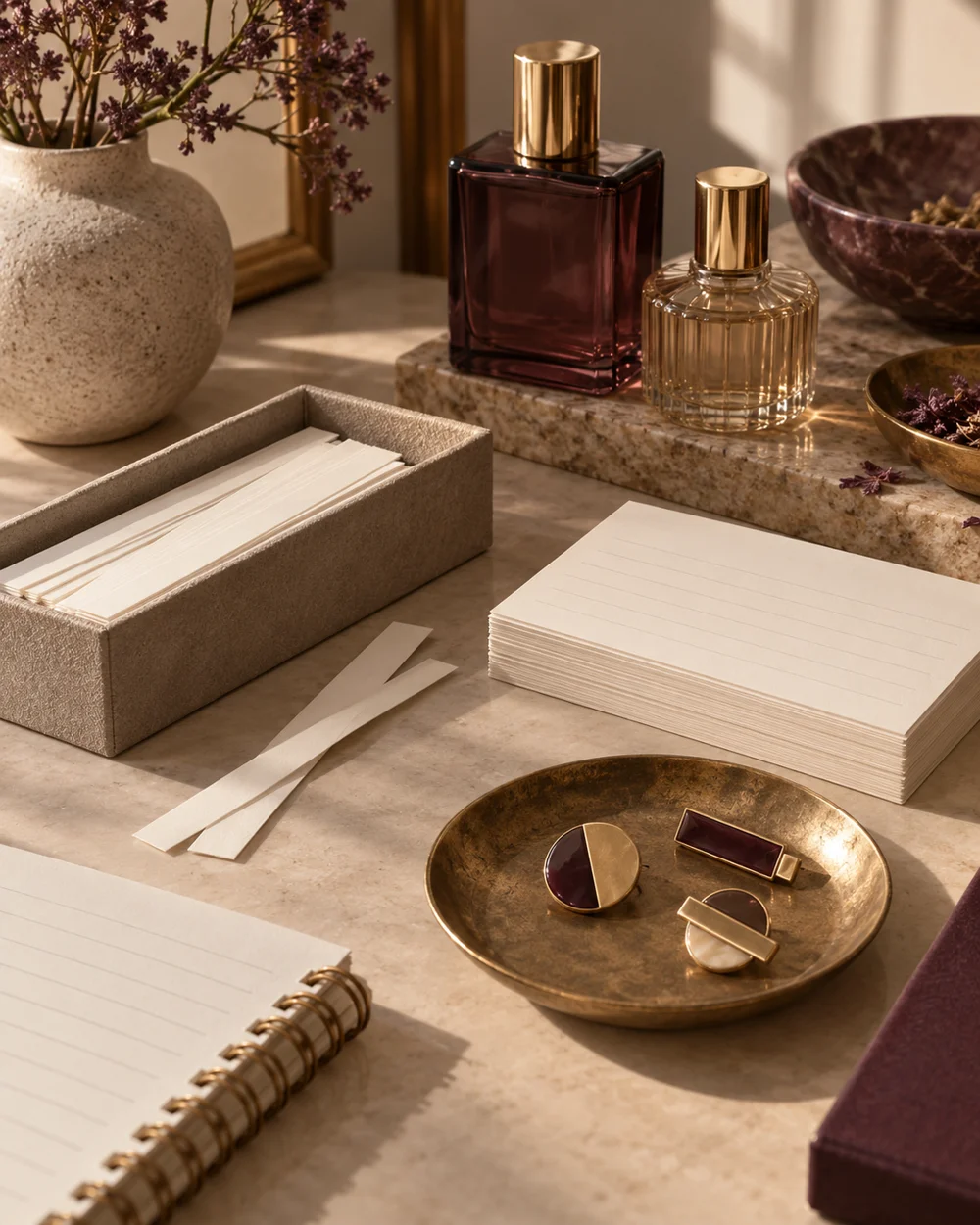
The scent wardrobe
Create a Simple Paper Sample Index
Read the note ↗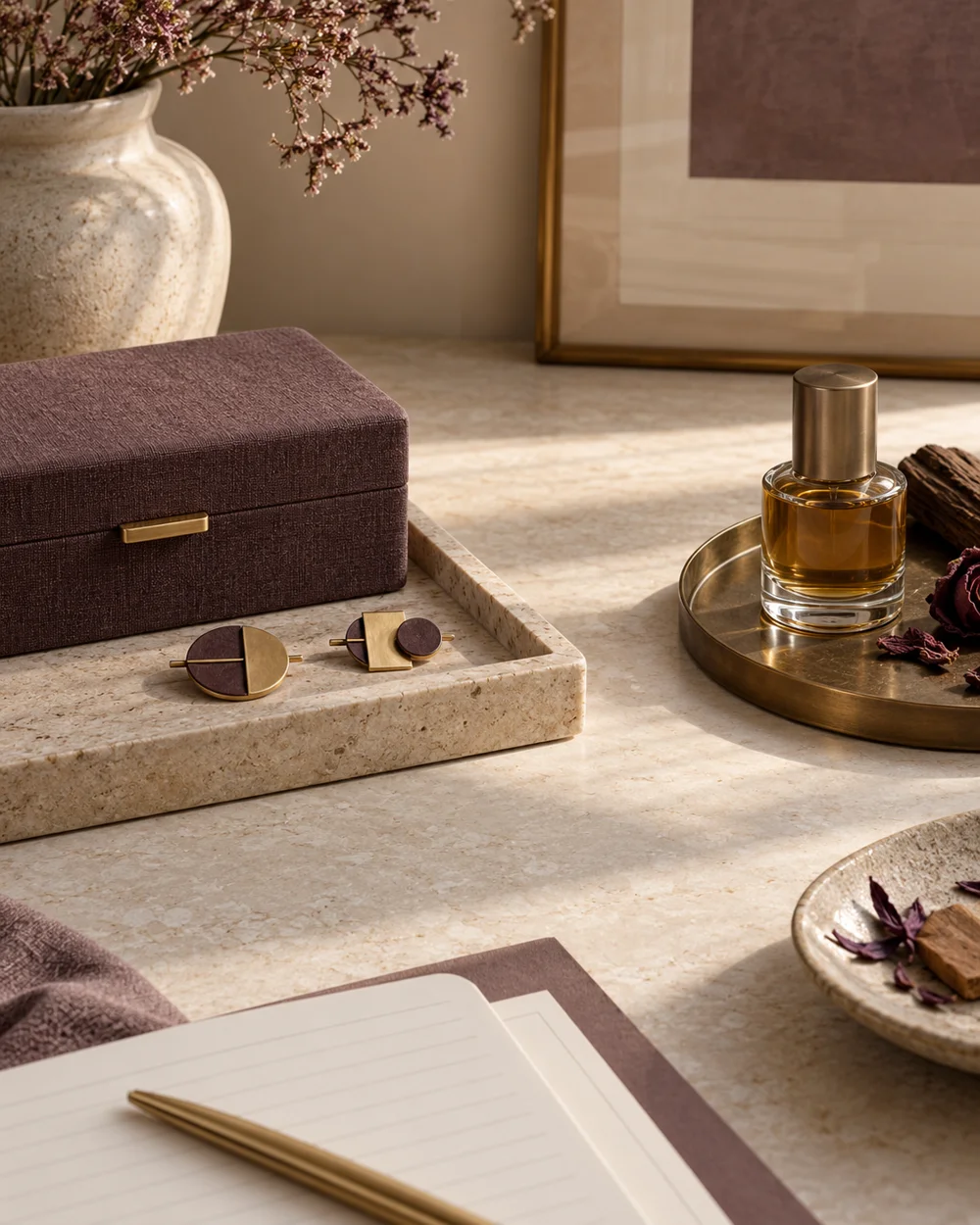
The scent wardrobe
Keep Fragrance Sampling Separate From Jewelry Care
Read the note ↗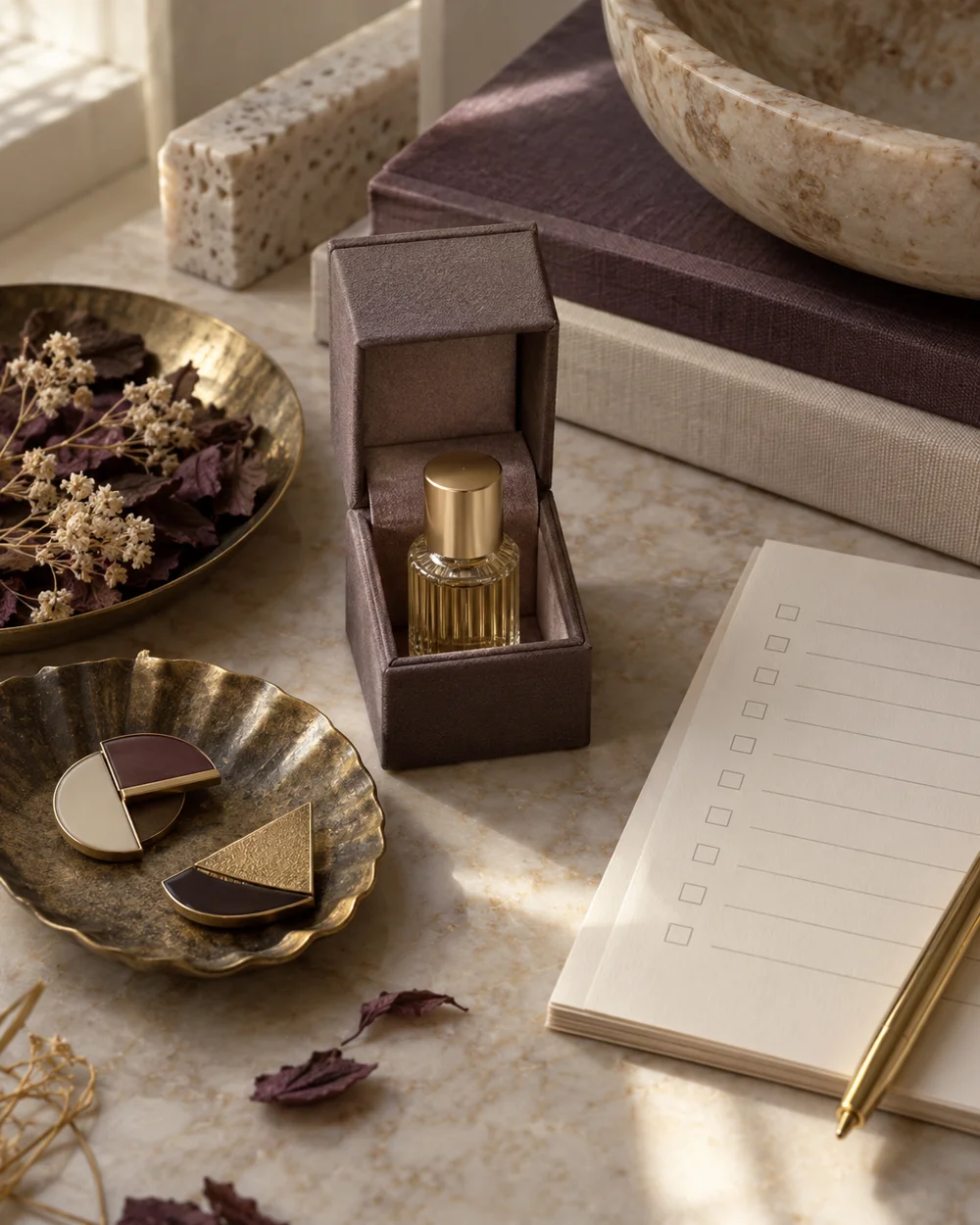
The scent wardrobe
Prepare a Maker-Directed Travel Fragrance Checklist
Read the note ↗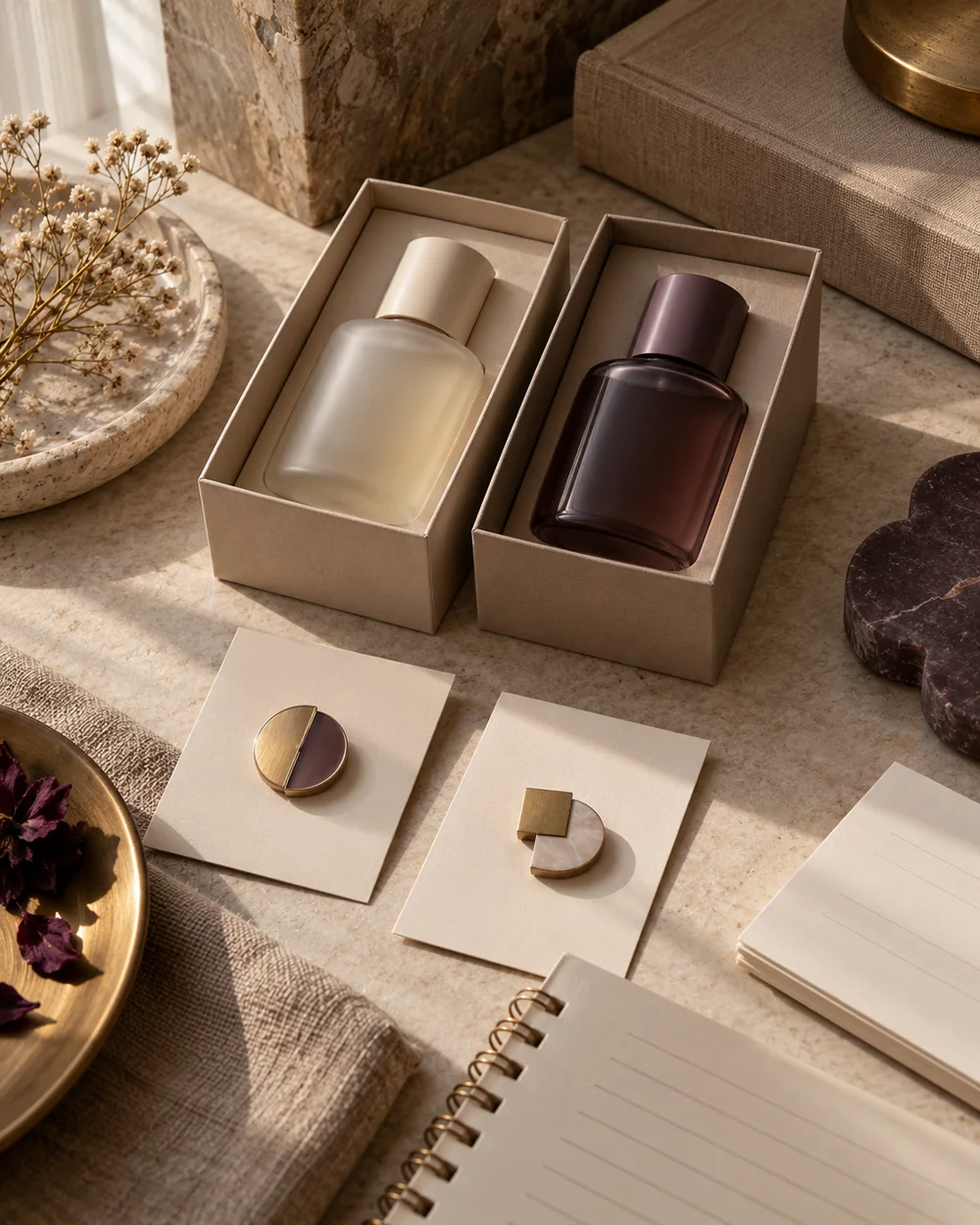
The scent wardrobe
Keep Original Fragrance Containers and Their Information Together
Read the note ↗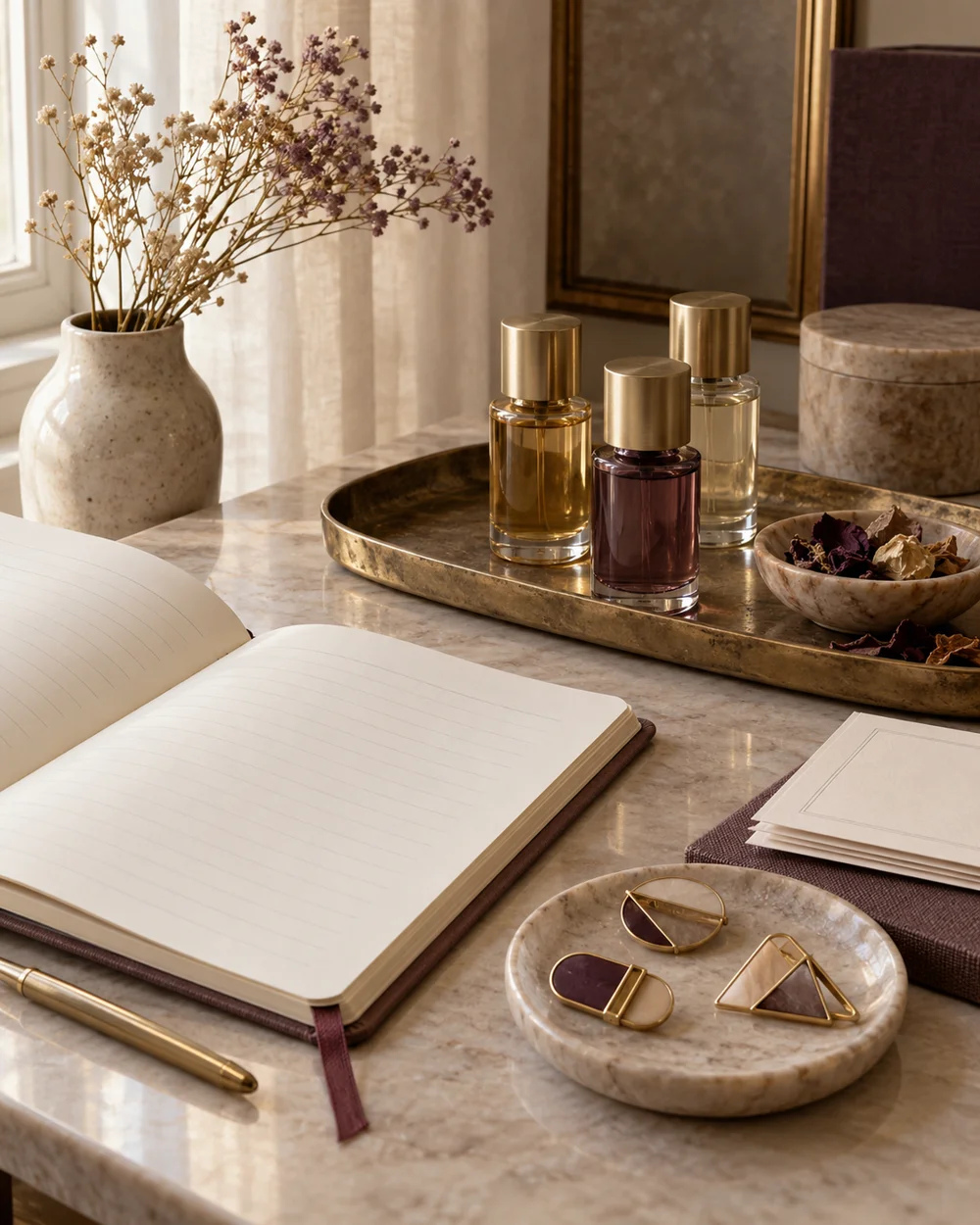
The scent wardrobe
Review Your Scent Notes Before Adding Another Bottle
Read the note ↗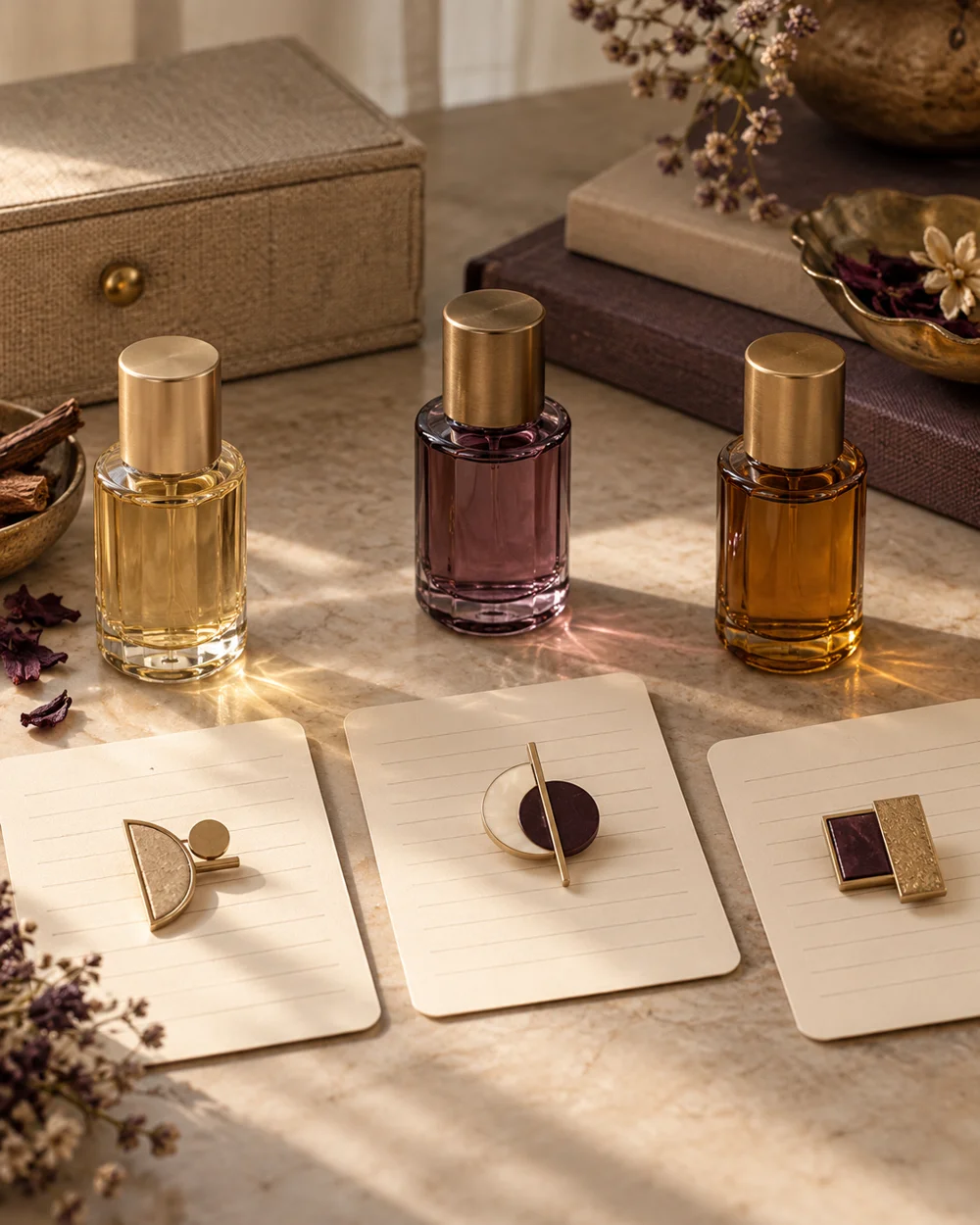
The scent wardrobe
Make a Plain Scent Reference Card for Each Product
Read the note ↗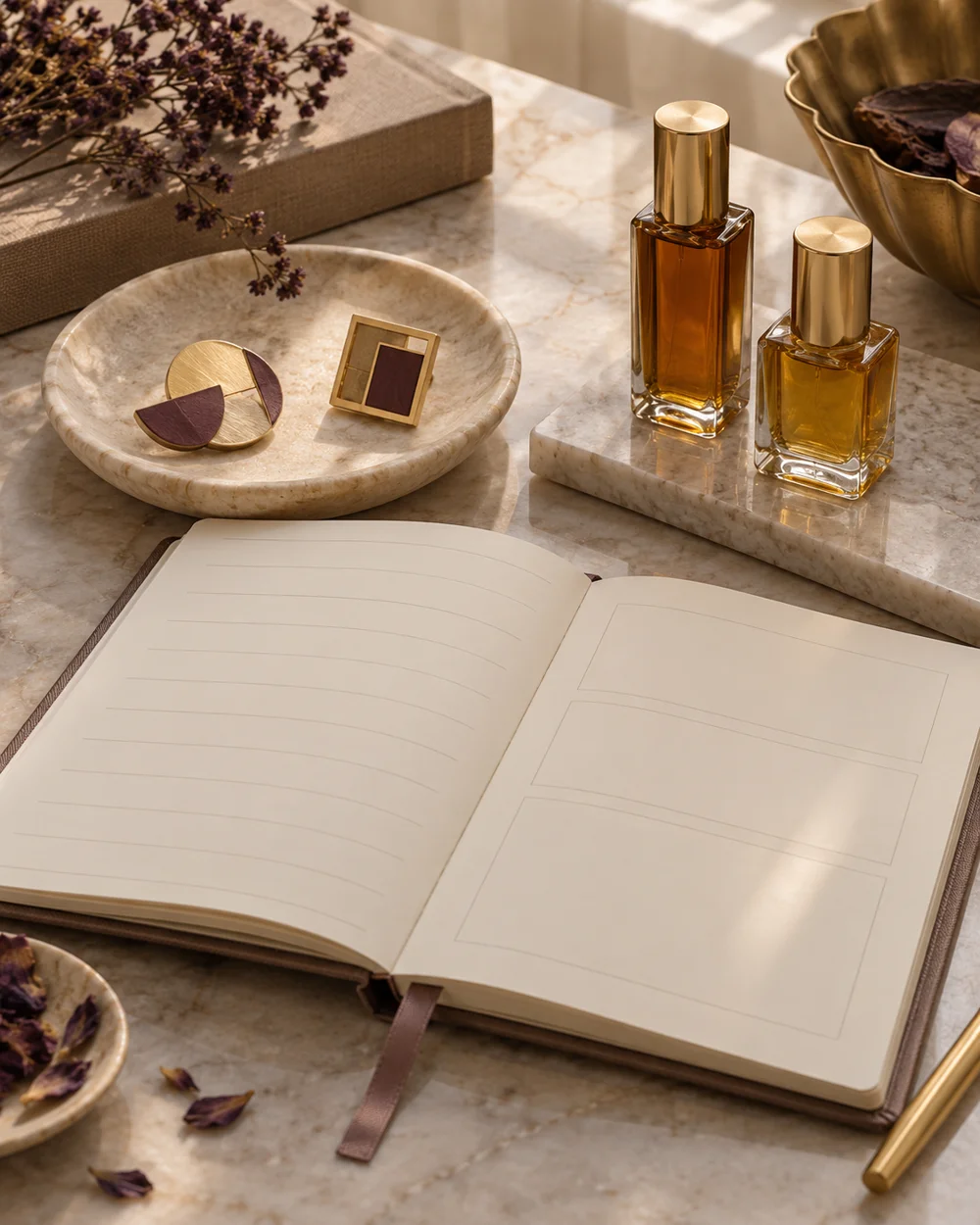
The scent wardrobe