Record Where a Fragrance Sample Came From
A sample source record helps you reconnect an observation with the right finished product. It is especially useful when several small containers or paper samples look similar.
Read the note ↓
NOTE 01
Define the record
Write the exact product identity from reliable packaging or the maker information supplied with the sample. Keep a short source description and date, avoiding assumptions based on bottle shape or color.
NOTE 02
Keep facts together
Note whether the observation used a retailer-prepared blotter or another maker-approved paper method. Keep any original product directions with the record and mark a missing identity clearly.
NOTE 03
Review what is missing
Add a reference code to your notebook entry so it points back to the source record. Do not relabel an unknown sample with the name of a similar-looking product.
NOTE 04
Make the next step clear
If the identity or information remains unclear, keep the observation marked unverified rather than using it to make a composition or purchase claim. Seek clarification from the source before treating it as a reliable reference.
Before you go.
What is the most useful detail to remember?
An attractive sample container is not enough to establish its identity.
What should I establish before starting?
Write the exact product identity from reliable packaging or the maker information supplied with the sample. Keep a short source description and date, avoiding assumptions based on bottle shape or color.
Original editorial guidance. Photographs are AI-generated concepts; they do not show verified products, material specifications, or tested results. Sources & approach.
Save to Pinterest ↗FOLLOW THE DETAIL
A note to read next.
The scent wardrobe
Keep the impression, not the hype.
Read the note ↗
The scent wardrobe
A clearer label. A better question.
Read the note ↗
The scent wardrobe
Create a Finished-Fragrance Inventory
Read the note ↗
The scent wardrobe
Keep Current Product Directions With Your Scent Notes
Read the note ↗
The scent wardrobe
Separate Verified Product Facts From Personal Preferences
Read the note ↗
The scent wardrobe
Make an Alcohol-Free Product Information Checklist
Read the note ↗
The scent wardrobe
Keep Halal Certification Questions Separate From Scent Notes
Read the note ↗
The scent wardrobe
Record a Fragrance Product Version Before Comparing It
Read the note ↗
The scent wardrobe
Create a Small Fragrance Revisit Notebook
Read the note ↗
The scent wardrobe
Plan a Fragrance Shelf Without Direct Display Clutter
Read the note ↗
The scent wardrobe
Keep Fragrance Bottles Upright in a Stable Tray
Read the note ↗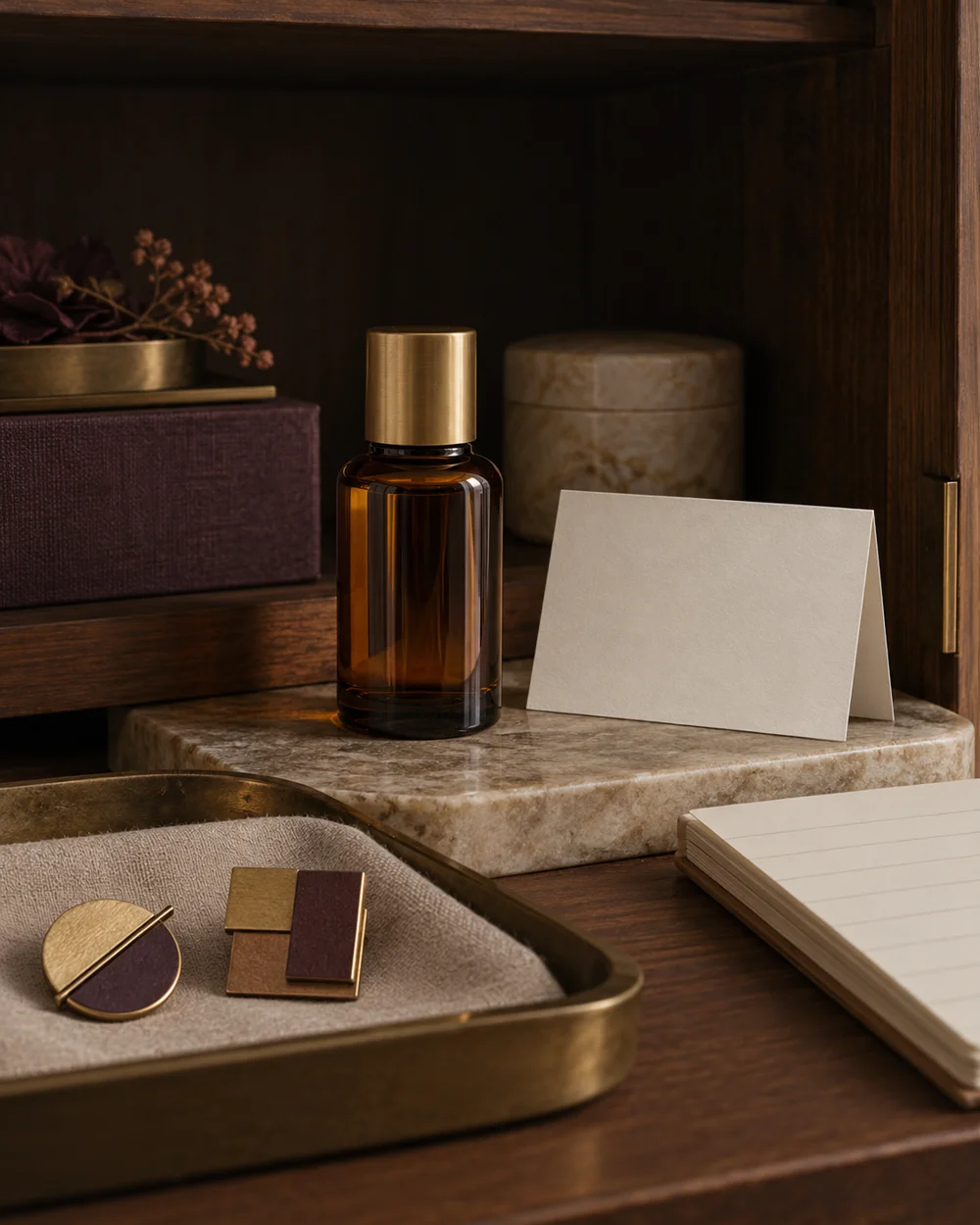
The scent wardrobe
Store a Fragrance According to Its Own Label
Read the note ↗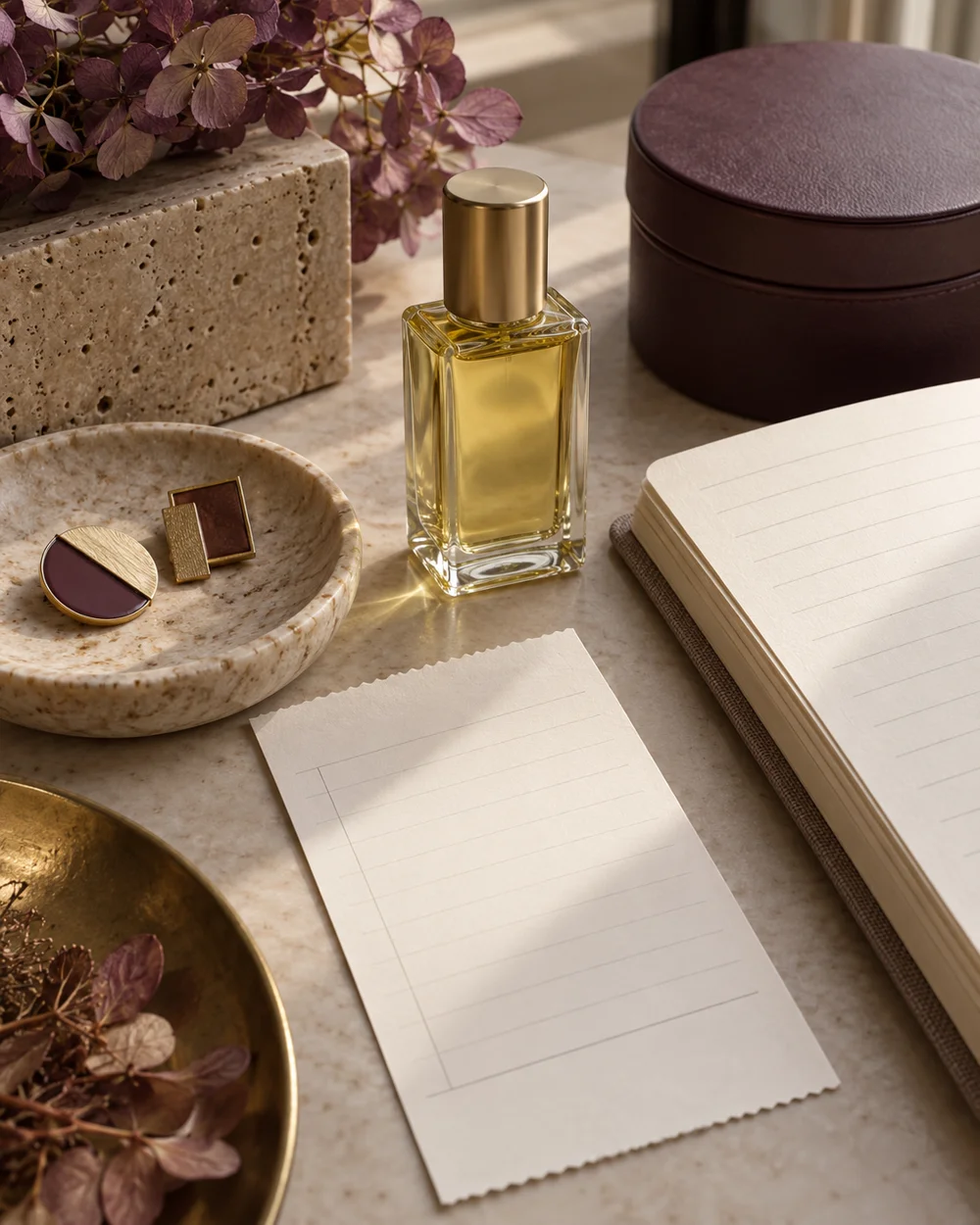
The scent wardrobe
Keep a Simple Fragrance Purchase Record
Read the note ↗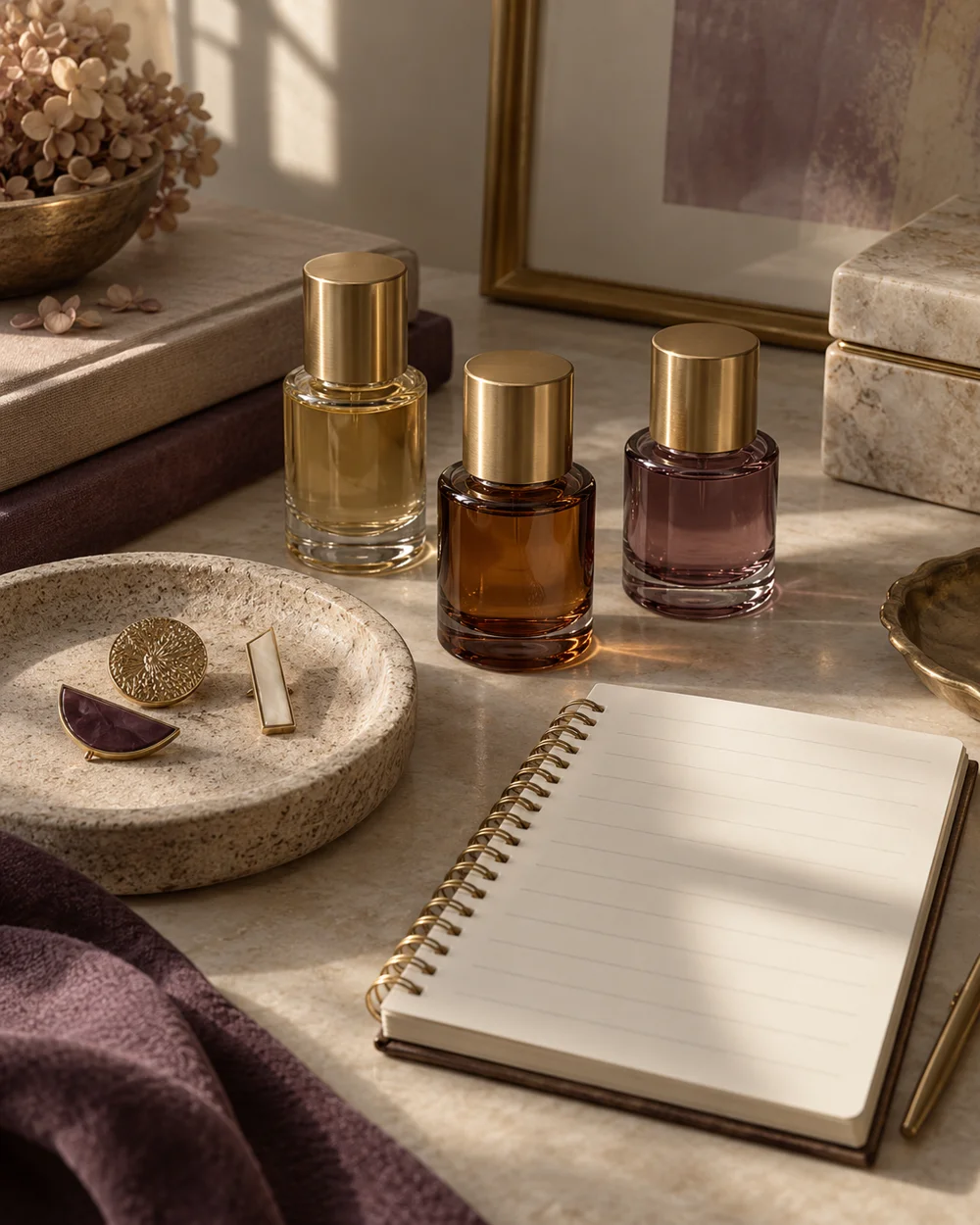
The scent wardrobe
Build a Small Fragrance Wish List Without Duplicate Purchases
Read the note ↗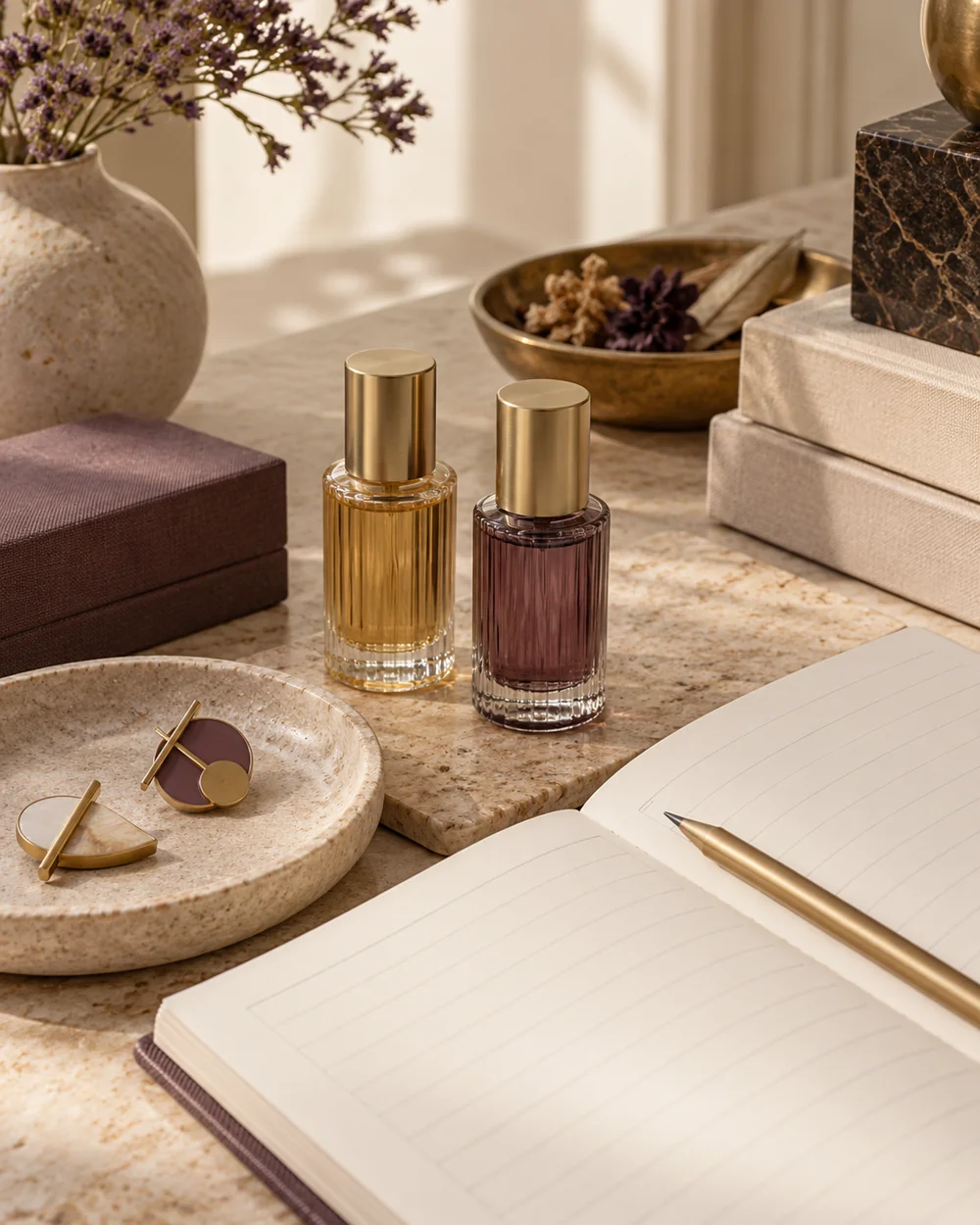
The scent wardrobe
Set Up a No-Purchase Fragrance Review Session
Read the note ↗
The scent wardrobe
Create a Product Information Question Sheet for a Maker
Read the note ↗
The scent wardrobe
Keep Bottle Appearance Separate From Composition Claims
Read the note ↗
The scent wardrobe
Record an Unverified Fragrance Detail Clearly
Read the note ↗
The scent wardrobe
Organize Scent Notes by Product Instead of Marketing Theme
Read the note ↗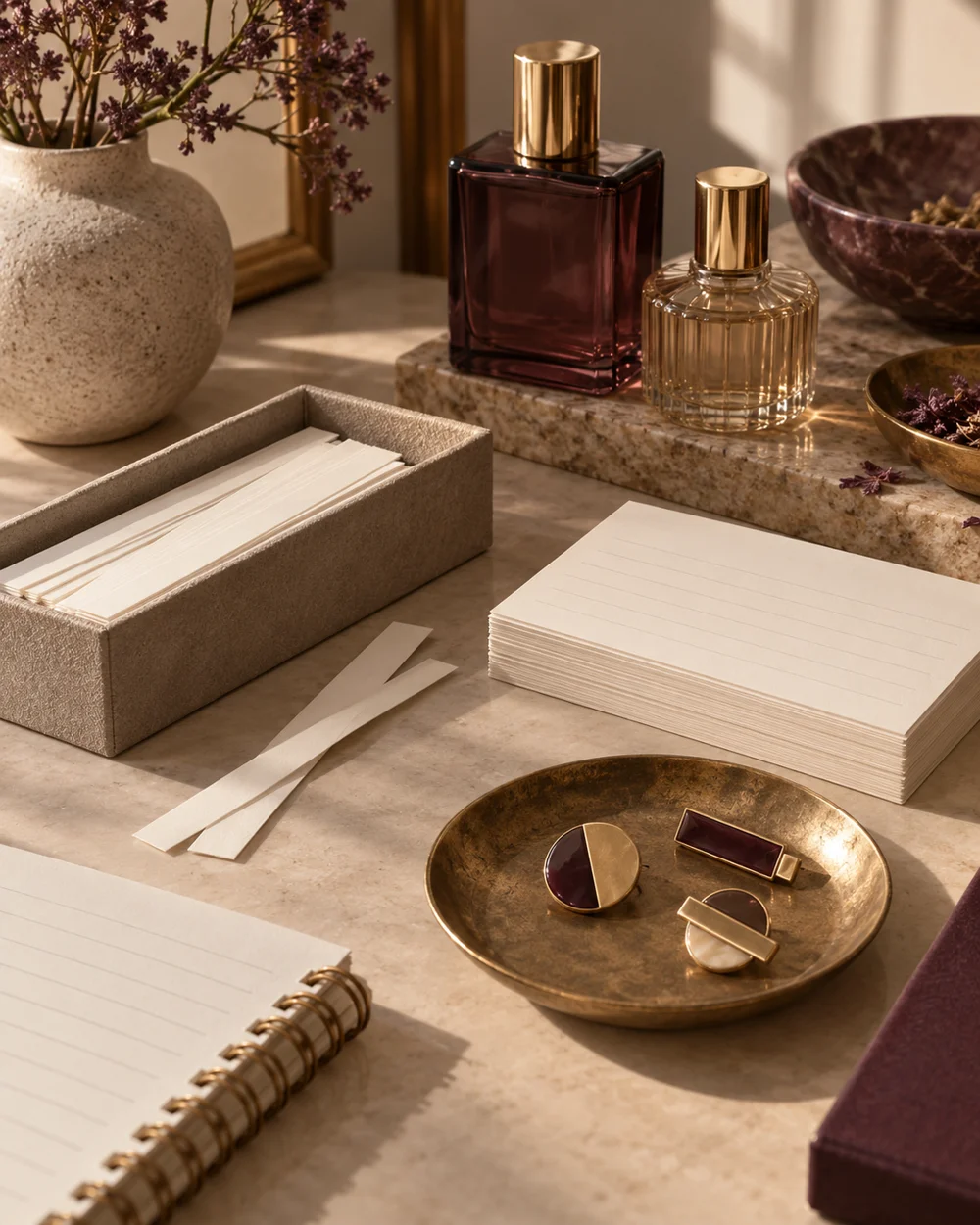
The scent wardrobe
Create a Simple Paper Sample Index
Read the note ↗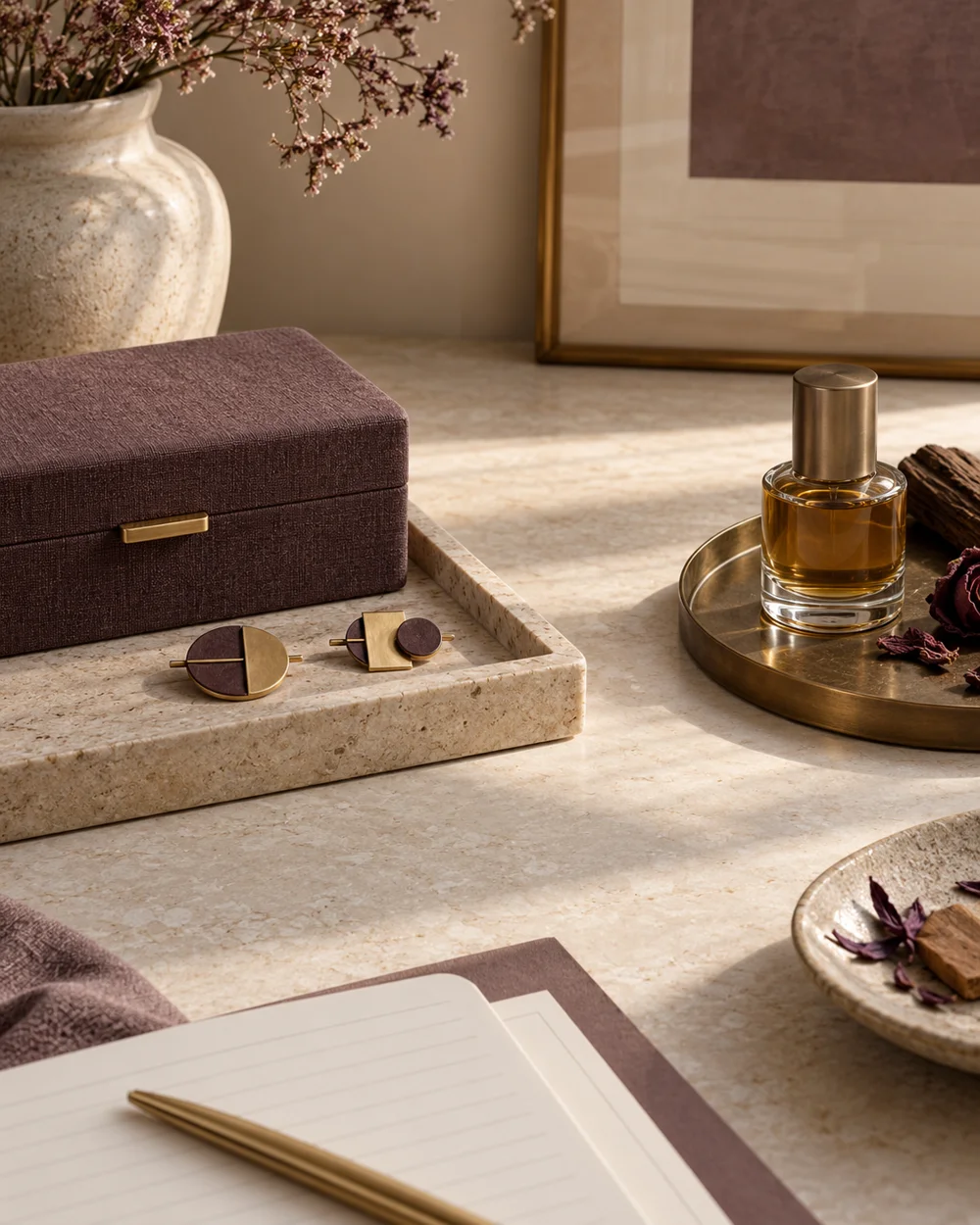
The scent wardrobe
Keep Fragrance Sampling Separate From Jewelry Care
Read the note ↗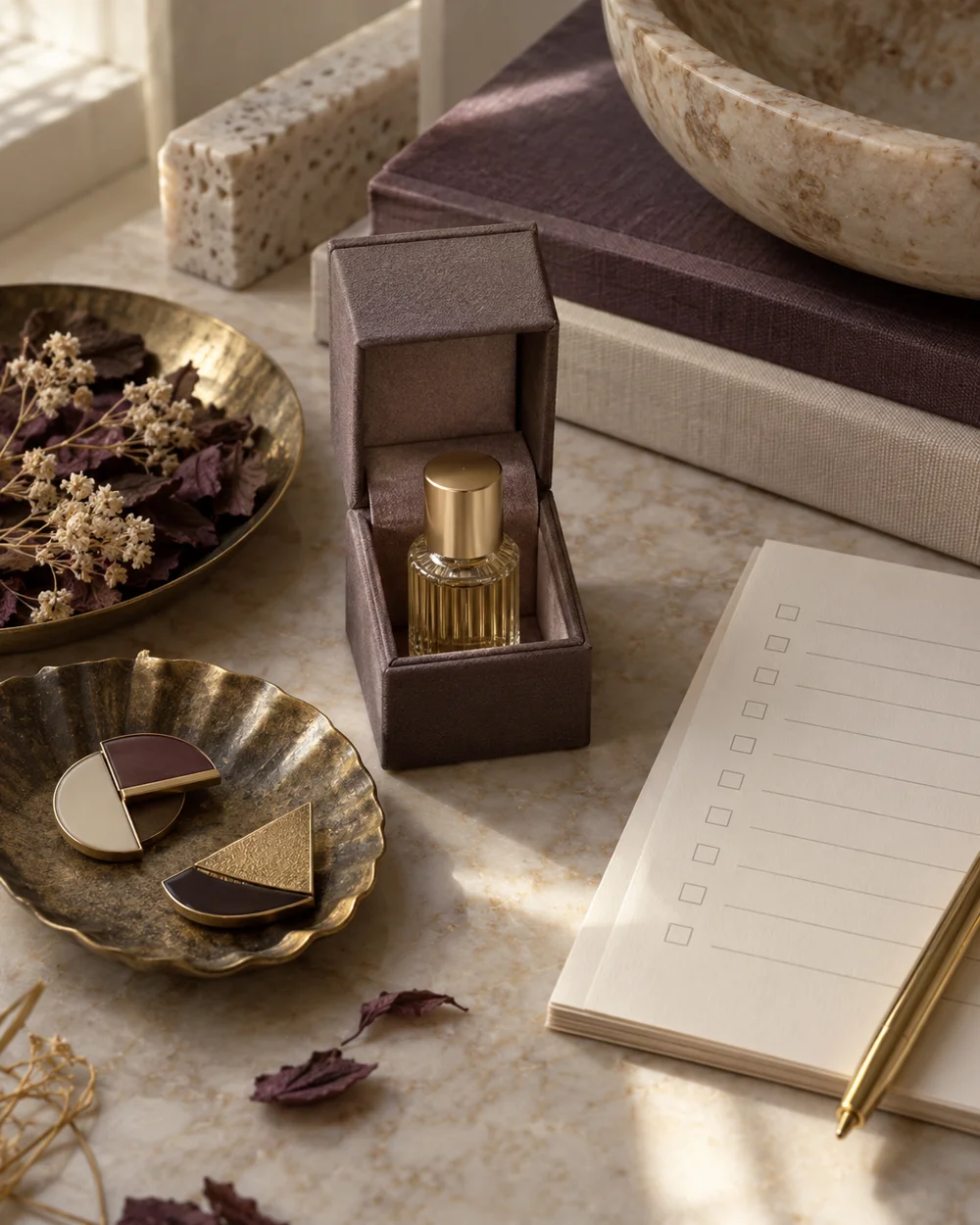
The scent wardrobe
Prepare a Maker-Directed Travel Fragrance Checklist
Read the note ↗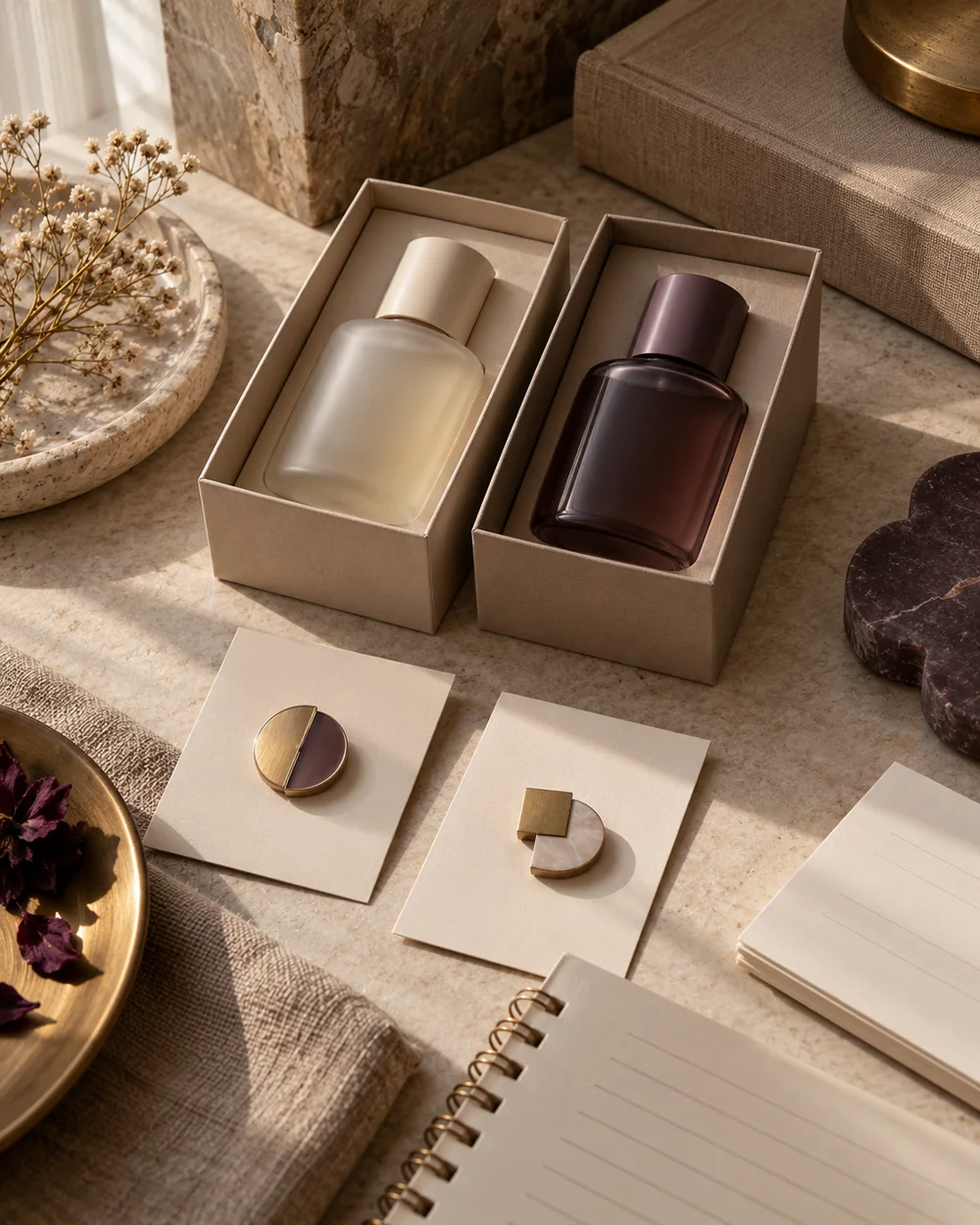
The scent wardrobe
Keep Original Fragrance Containers and Their Information Together
Read the note ↗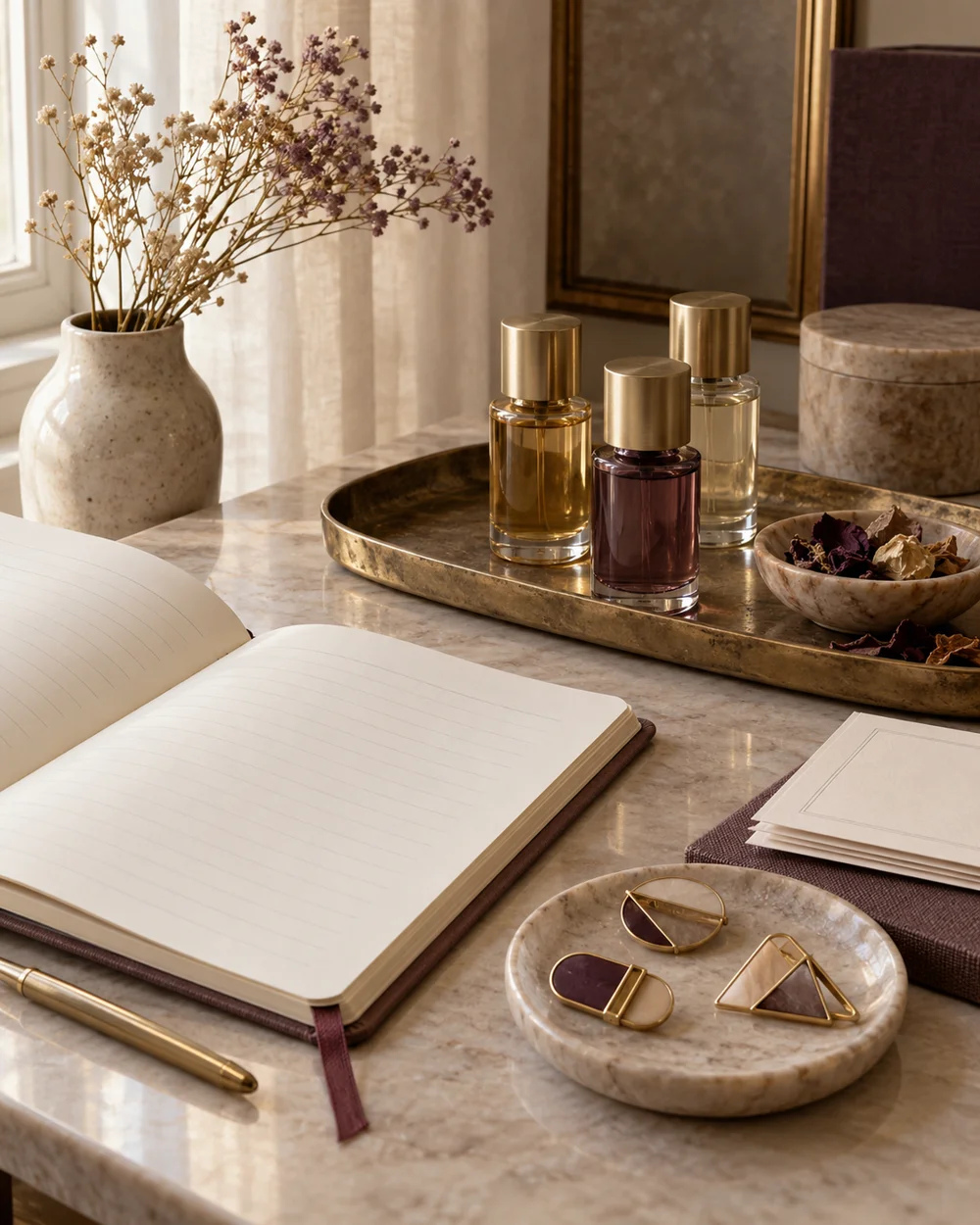
The scent wardrobe
Review Your Scent Notes Before Adding Another Bottle
Read the note ↗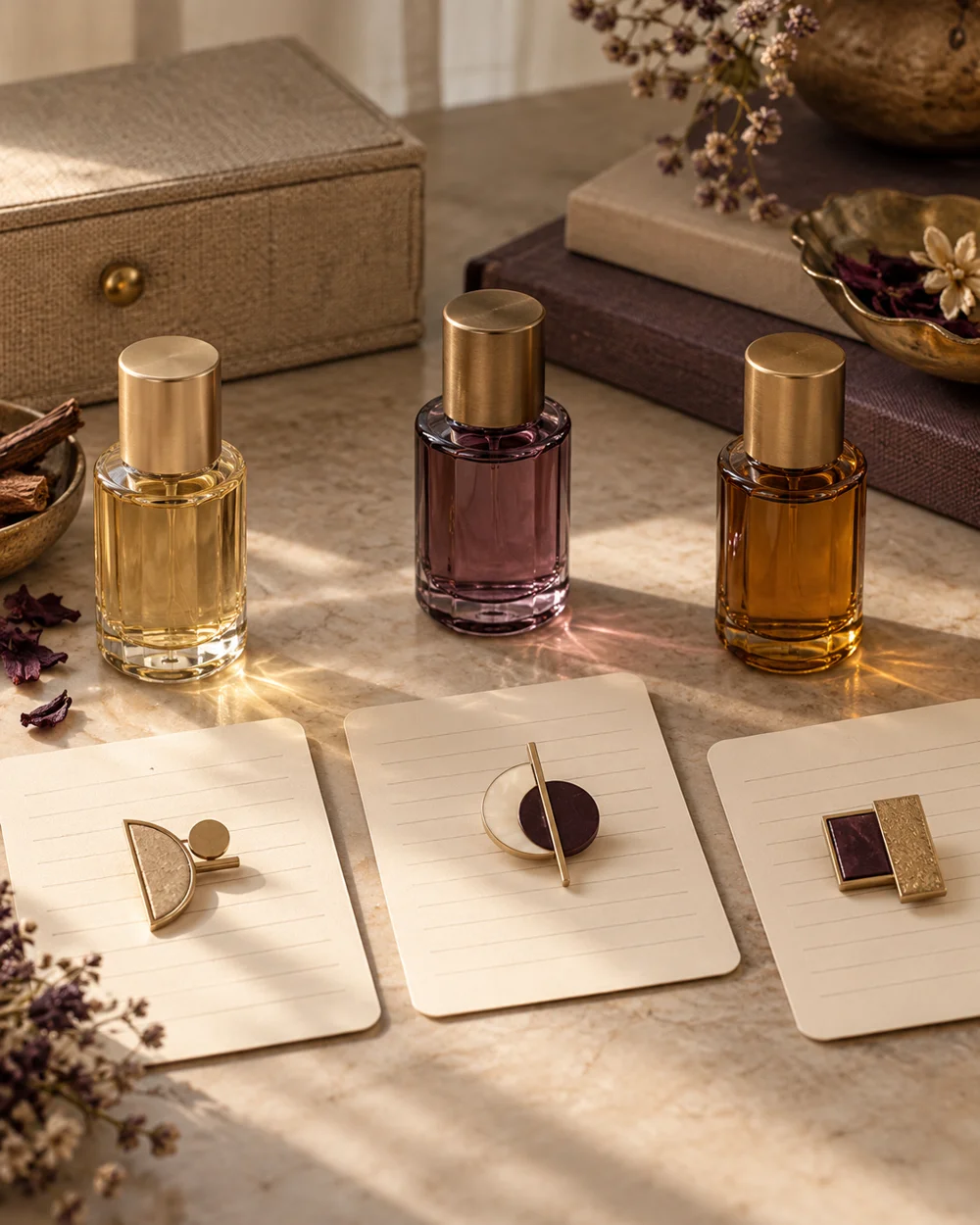
The scent wardrobe
Make a Plain Scent Reference Card for Each Product
Read the note ↗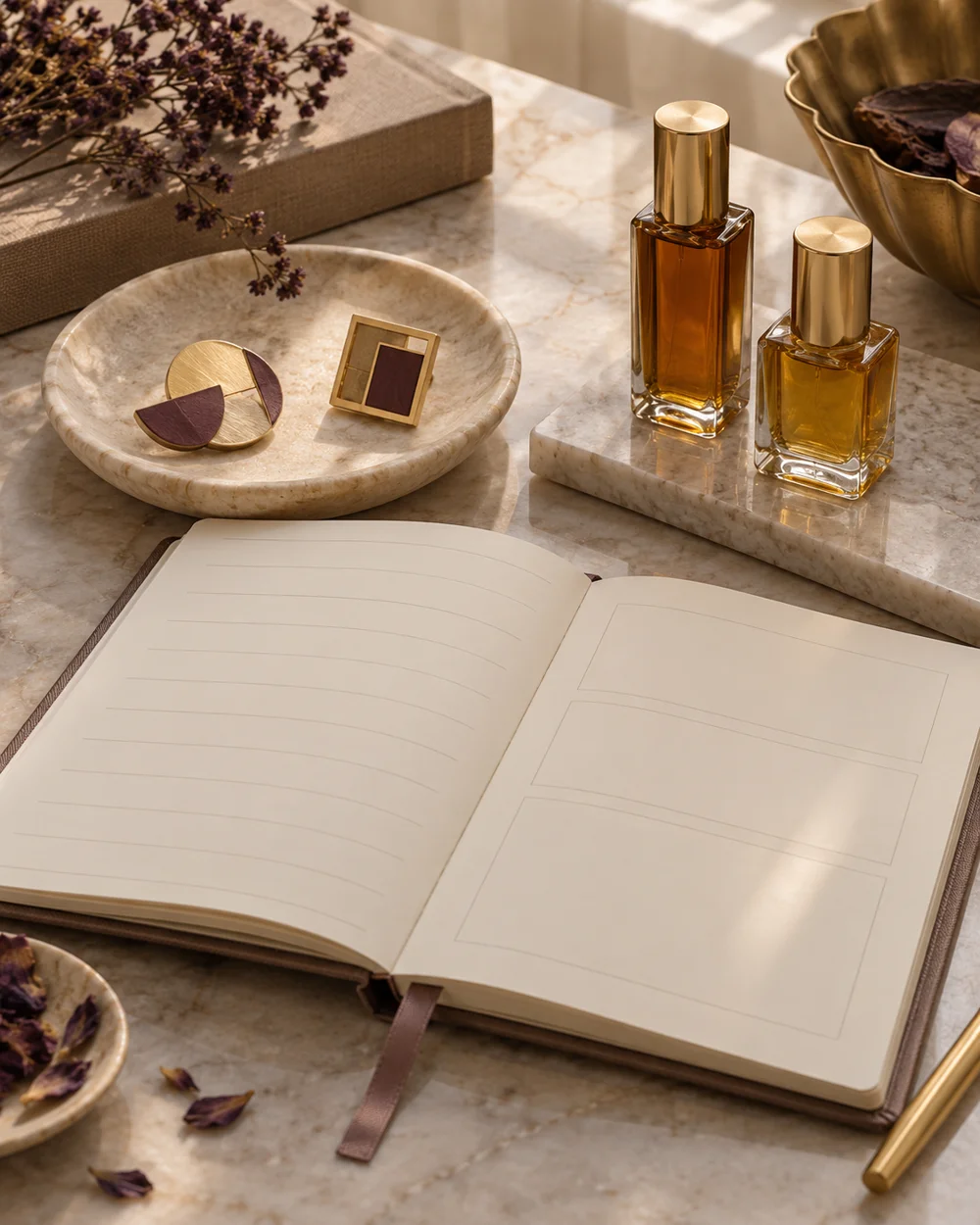
The scent wardrobe