Record a First and Later Paper Impression
A first impression and a later observation can give a paper sample a more useful record than one quick rating. Write the actual observation times instead of assuming a fixed development schedule.
Read the note ↓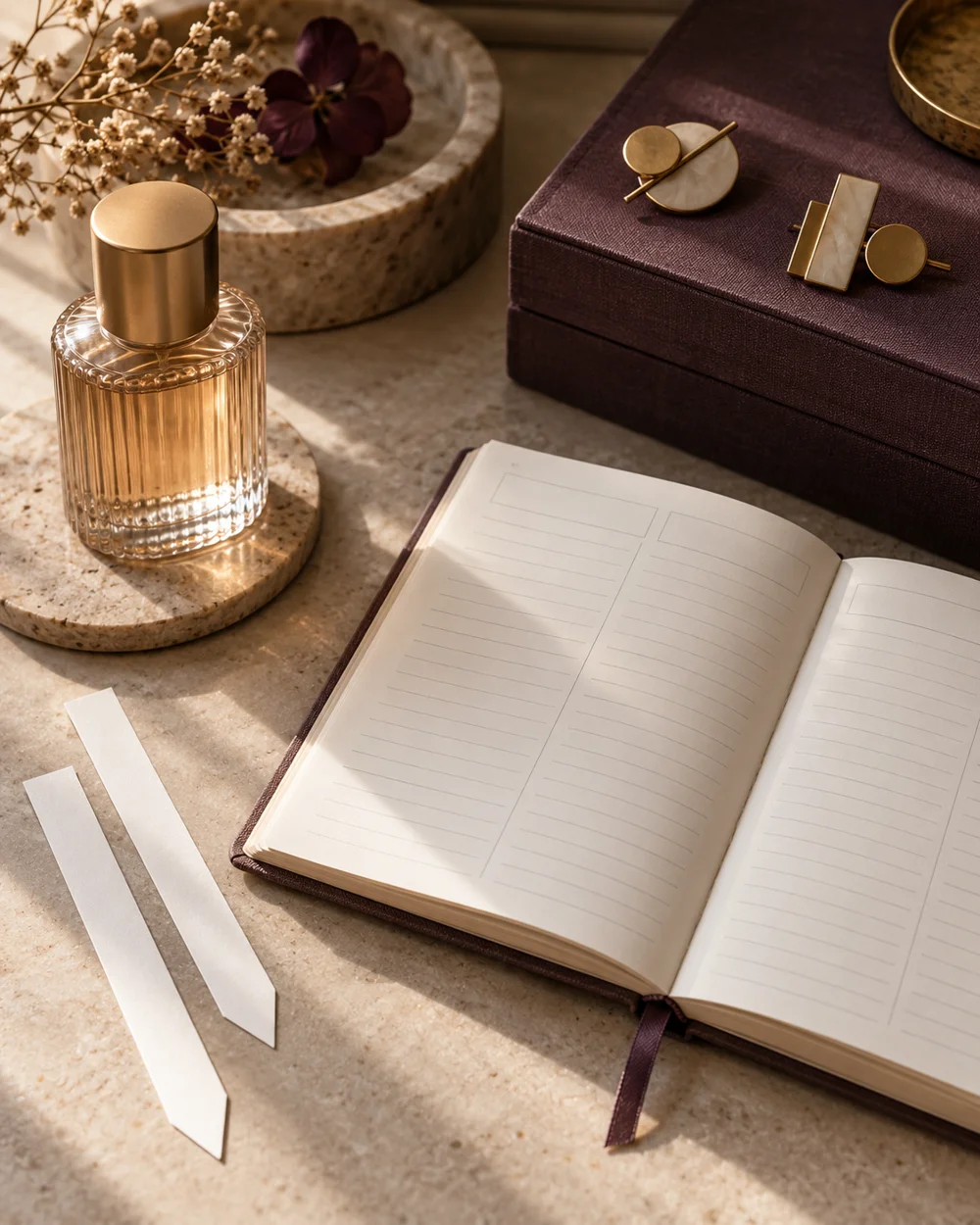
NOTE 01
Identify the samples
Identify the finished product and use an appropriate retailer-prepared or maker-approved paper sample. Start a page with the product identity, sample source, date, and first observation time.
NOTE 02
Observe separately
Write a few words about the initial paper impression without copying the marketing description. Keep the strip separate from the notebook, especially while it is wet, to avoid staining or transferring scent.
NOTE 03
Compare deliberately
Return after an interval you record and write what you notice then. The later impression may feel different, similar, or hard to describe; do not invent a change just because a note diagram suggests one.
NOTE 04
Record a conclusion
Keep both observations as a paper record. They do not prove exact top, middle, or base ingredient behavior, and they cannot predict skin longevity or the response of another observer.
Before you go.
What is the most useful detail to remember?
Record the actual times rather than labeling an observation later without a reference.
What should I establish before starting?
Identify the finished product and use an appropriate retailer-prepared or maker-approved paper sample. Start a page with the product identity, sample source, date, and first observation time.
Original editorial guidance. Photographs are AI-generated concepts; they do not show verified products, material specifications, or tested results. Sources & approach.
Save to Pinterest ↗FOLLOW THE DETAIL
A note to read next.
Scent pairing
Two notes. One considered pairing.
Read the note ↗
Scent pairing
A floral note, with a quieter edge.
Read the note ↗
Scent pairing
Compare a Citrus Description With a Wood Description
Read the note ↗
Scent pairing
Compare a Floral Description With a Tea Description
Read the note ↗
Scent pairing
Compare a Vanilla Description With a Wood Description
Read the note ↗
Scent pairing
Compare a Green Description With a Floral Description
Read the note ↗
Scent pairing
Explore Fresh and Warm Words in Scent Notes
Read the note ↗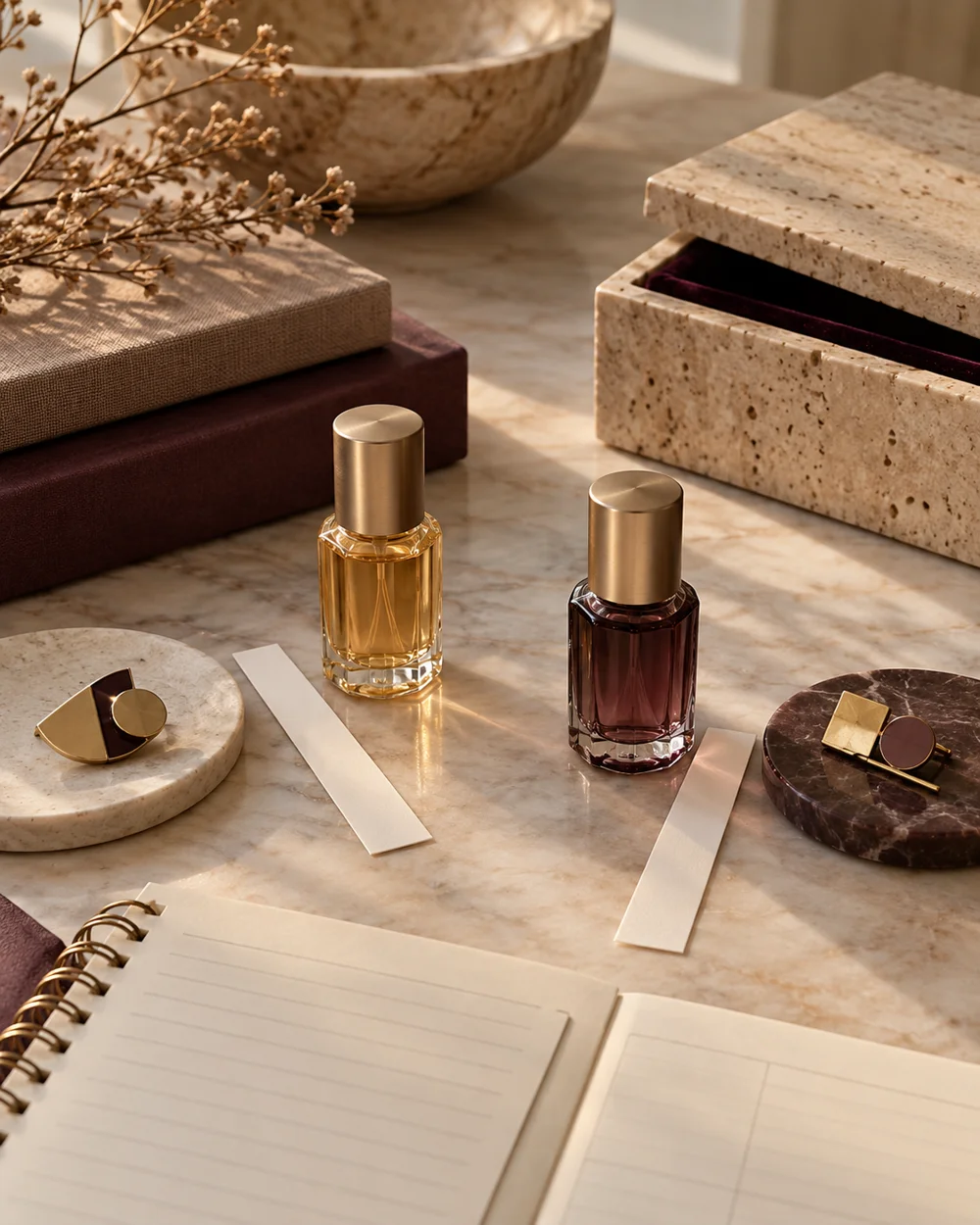
Scent pairing
Compare Two Scents Without Mixing Their Liquids
Read the note ↗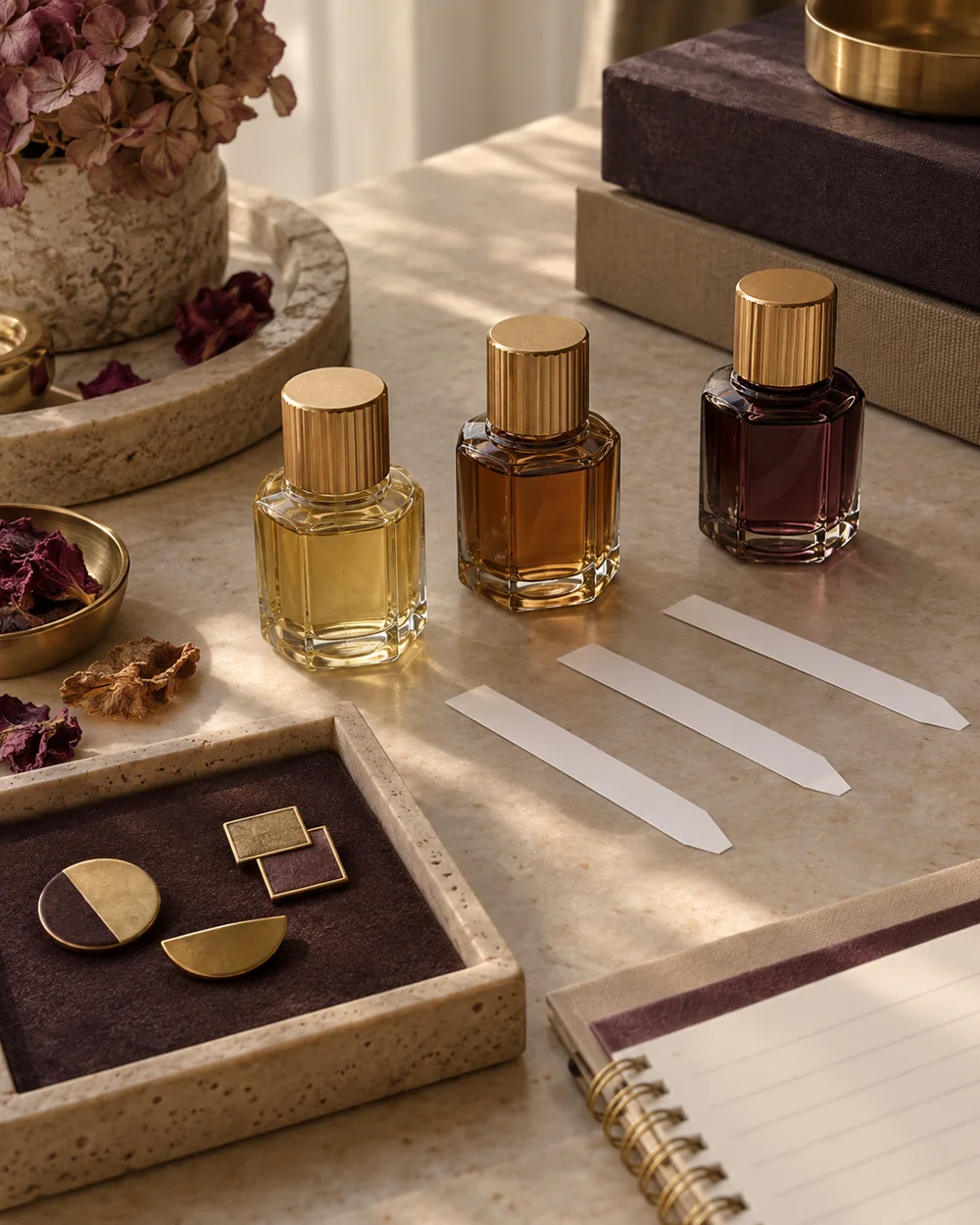
Scent pairing
Change One Scent at a Time in a Paper Comparison
Read the note ↗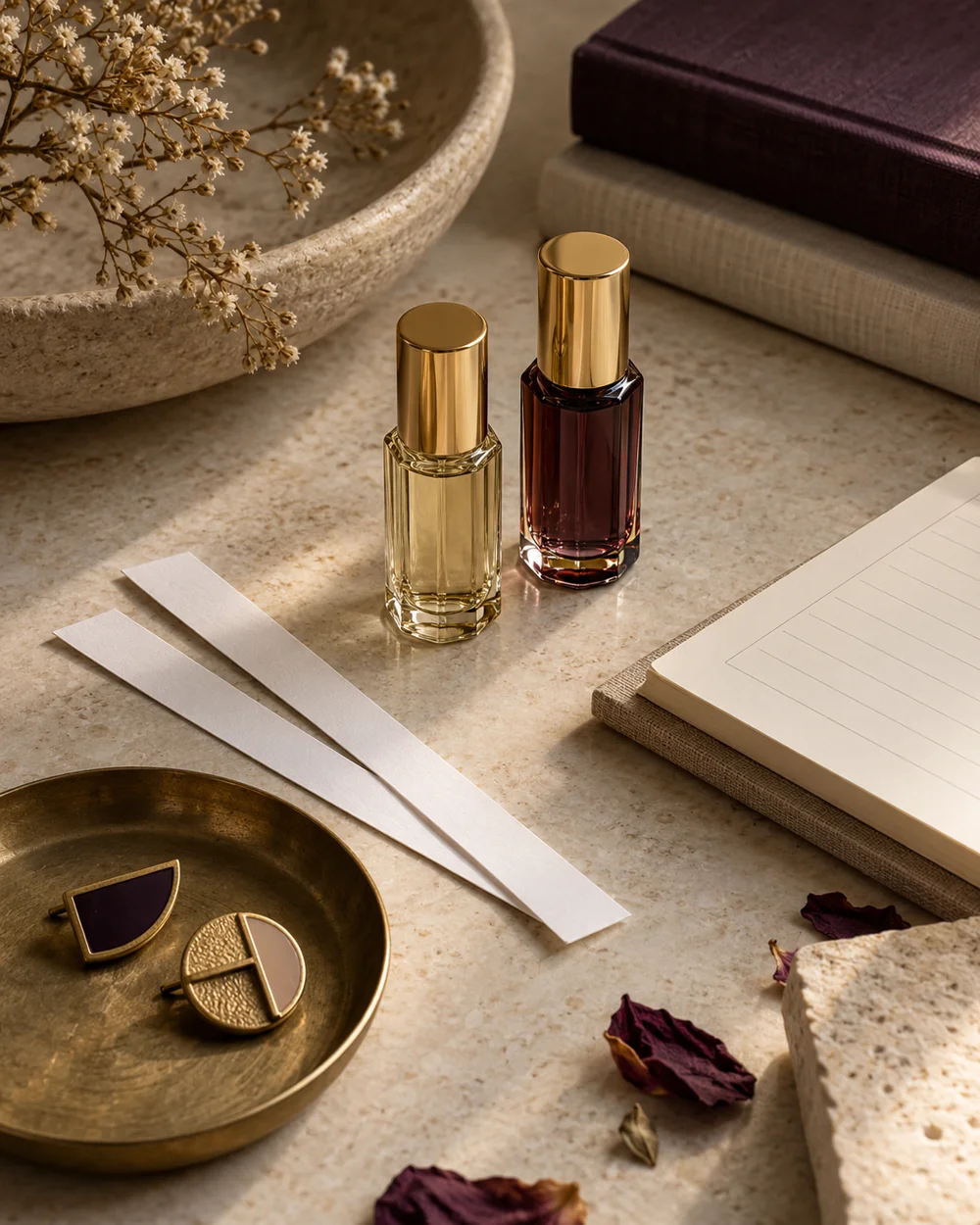
Scent pairing
Compare One Scent Alone With a Two-Strip Impression
Read the note ↗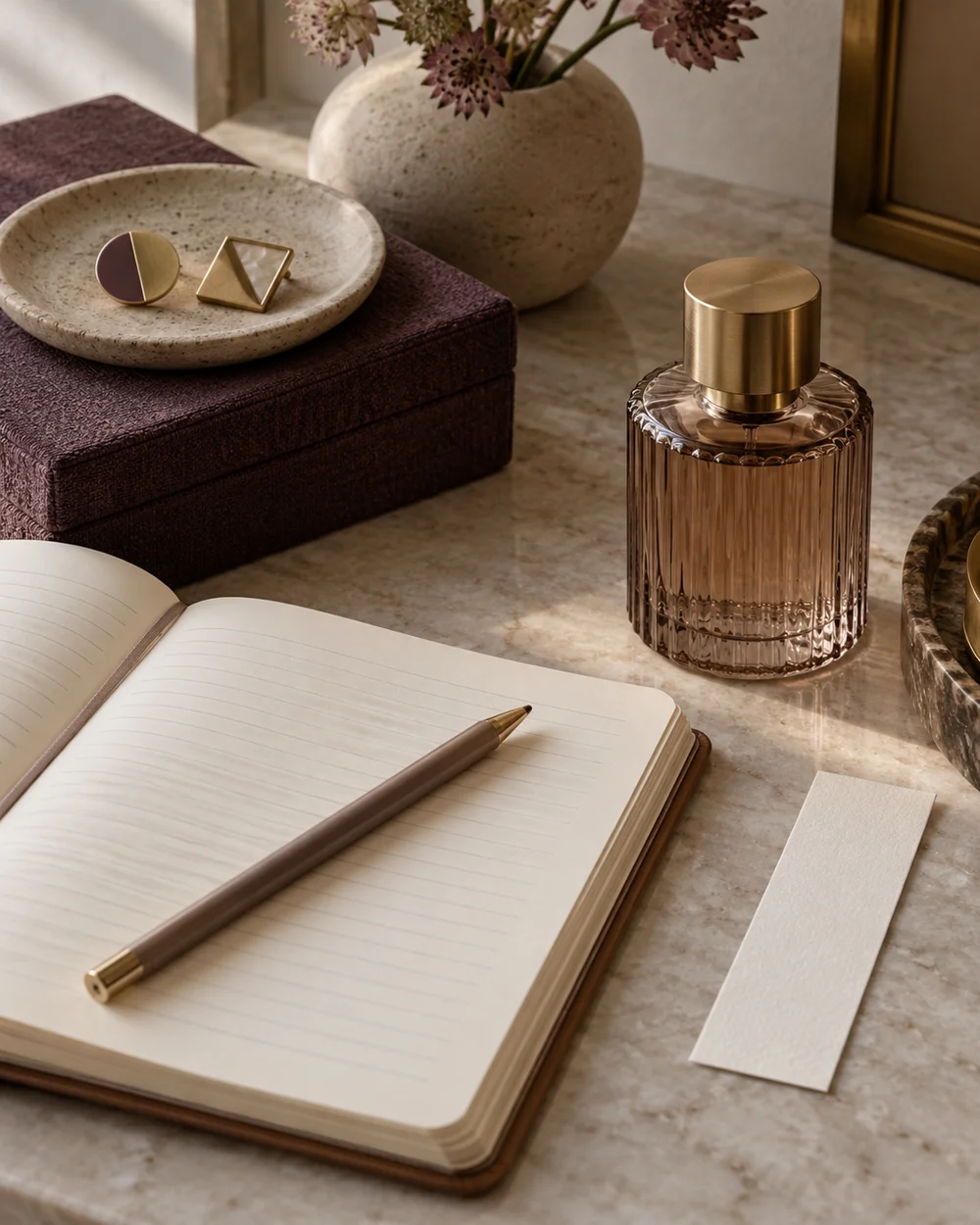
Scent pairing
Use Plain Words Instead of Perfume Scores
Read the note ↗
Scent pairing
Separate a Maker Note List From Your Own Impression
Read the note ↗
Scent pairing
Compare Two Floral Descriptions on Paper
Read the note ↗
Scent pairing
Compare Two Wood Descriptions on Paper
Read the note ↗
Scent pairing
Explore Soft and Dry as Subjective Scent Words
Read the note ↗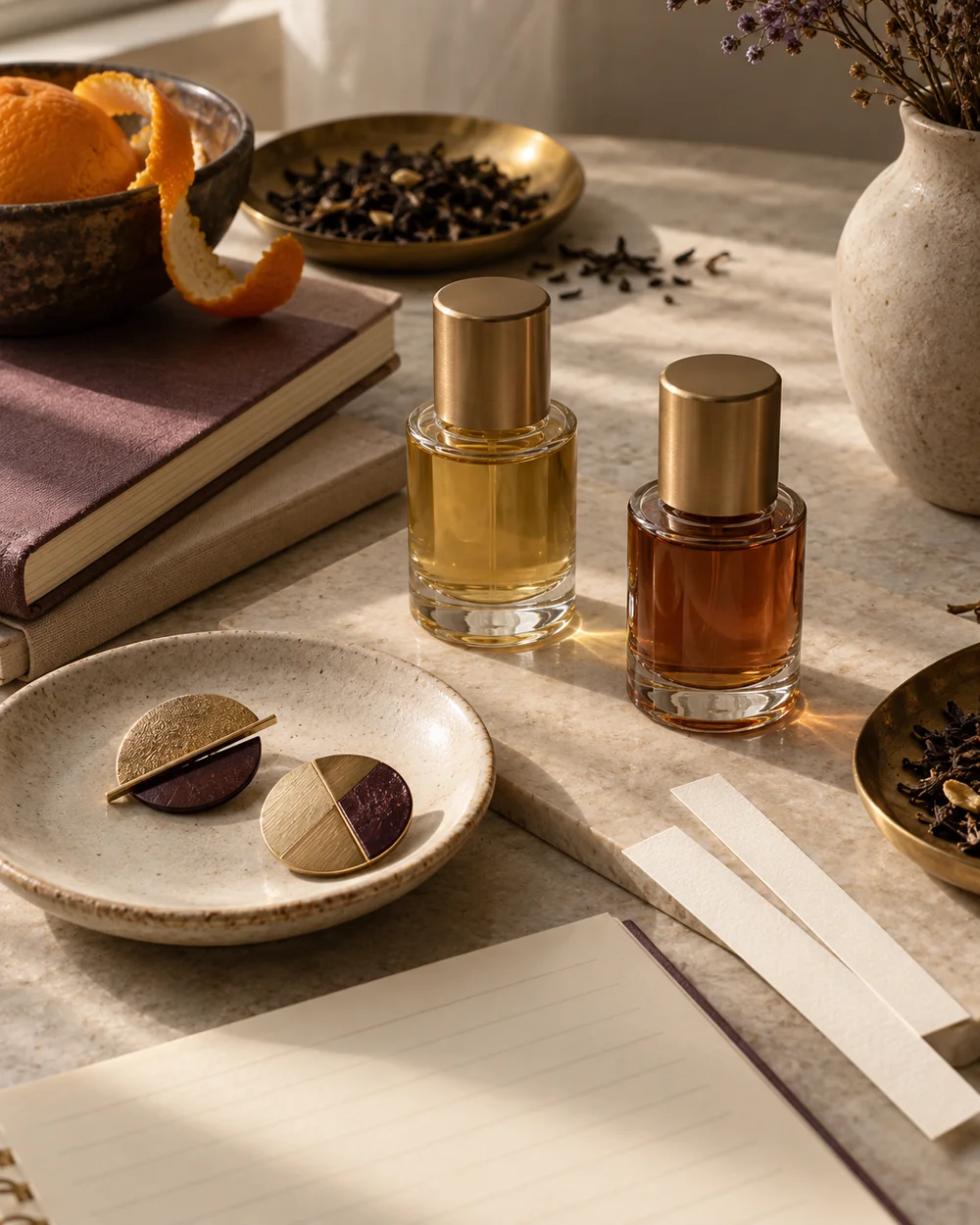
Scent pairing
Compare a Citrus Description With a Tea Description
Read the note ↗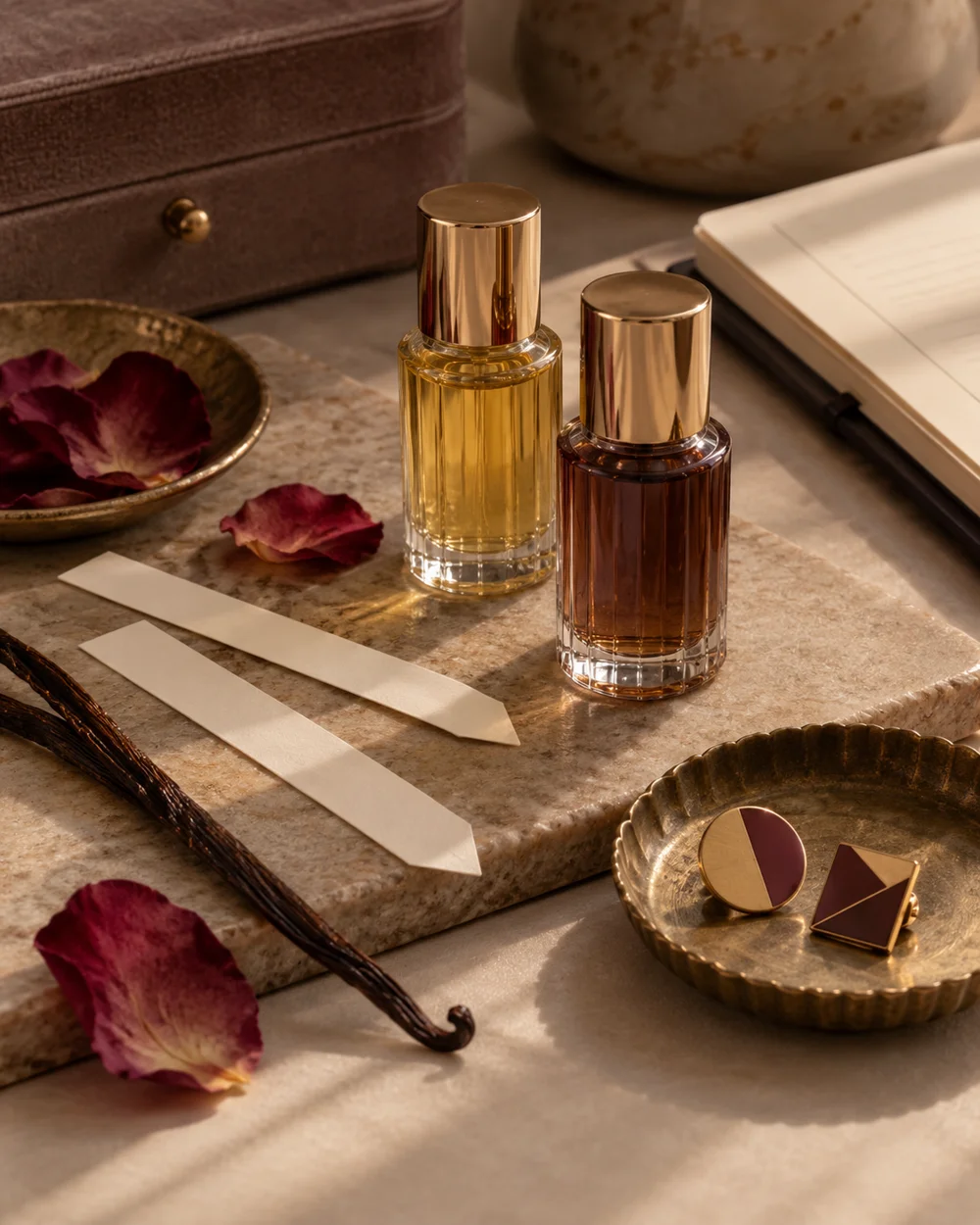
Scent pairing
Compare a Rose Description With a Vanilla Description
Read the note ↗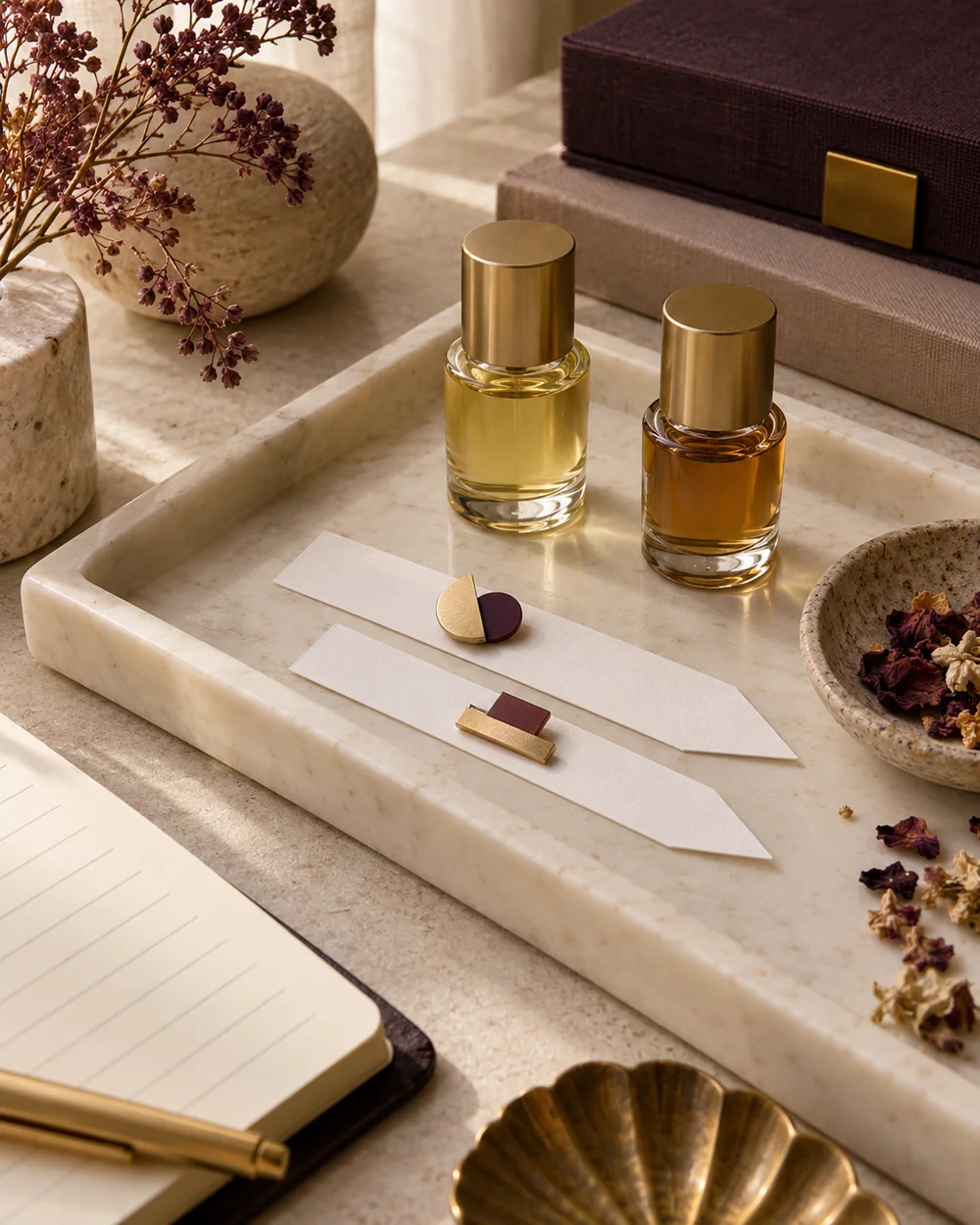
Scent pairing
Notice Which Paper Impression Seems More Prominent
Read the note ↗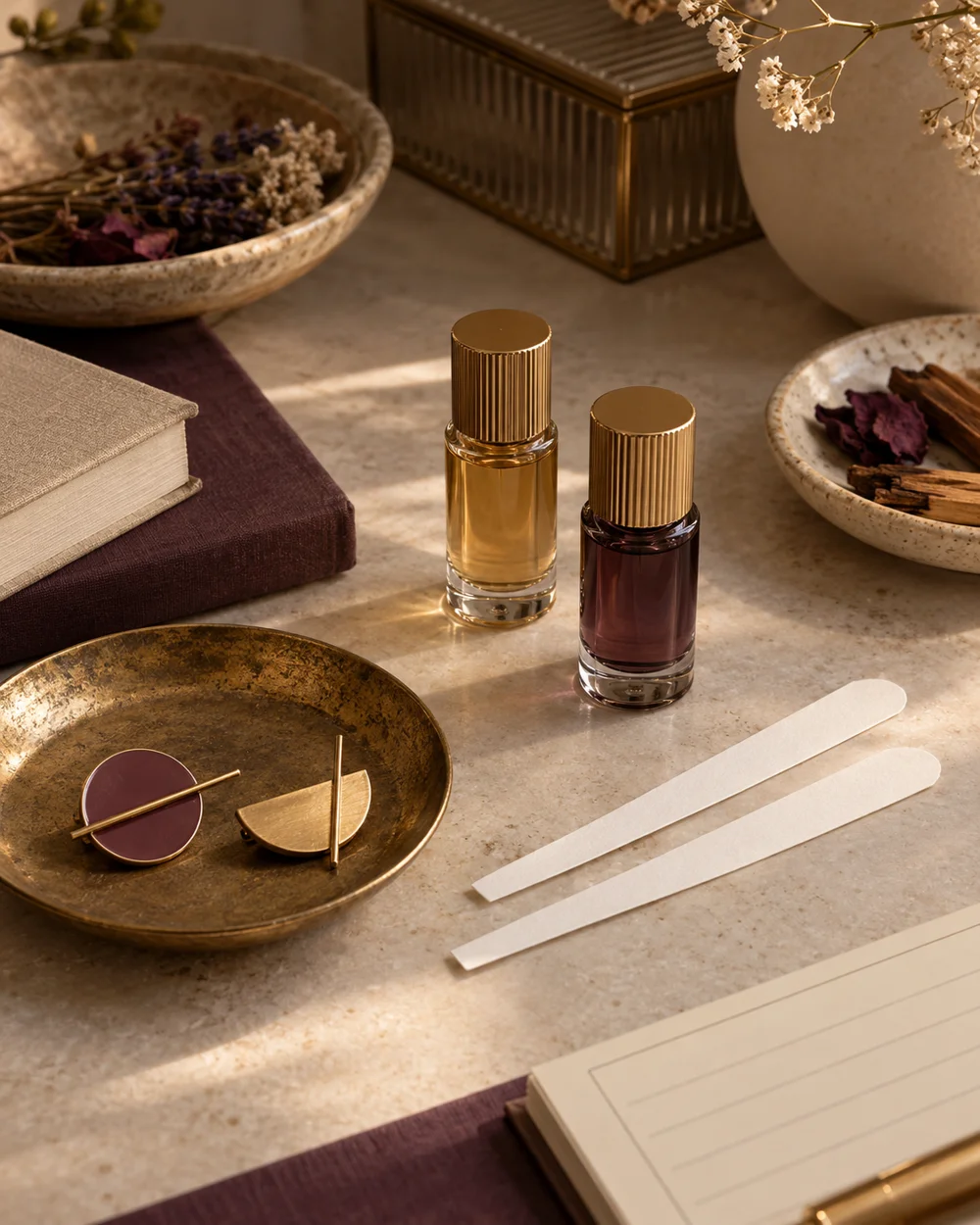
Scent pairing
Keep a Two-Scent Comparison Small and Repeatable
Read the note ↗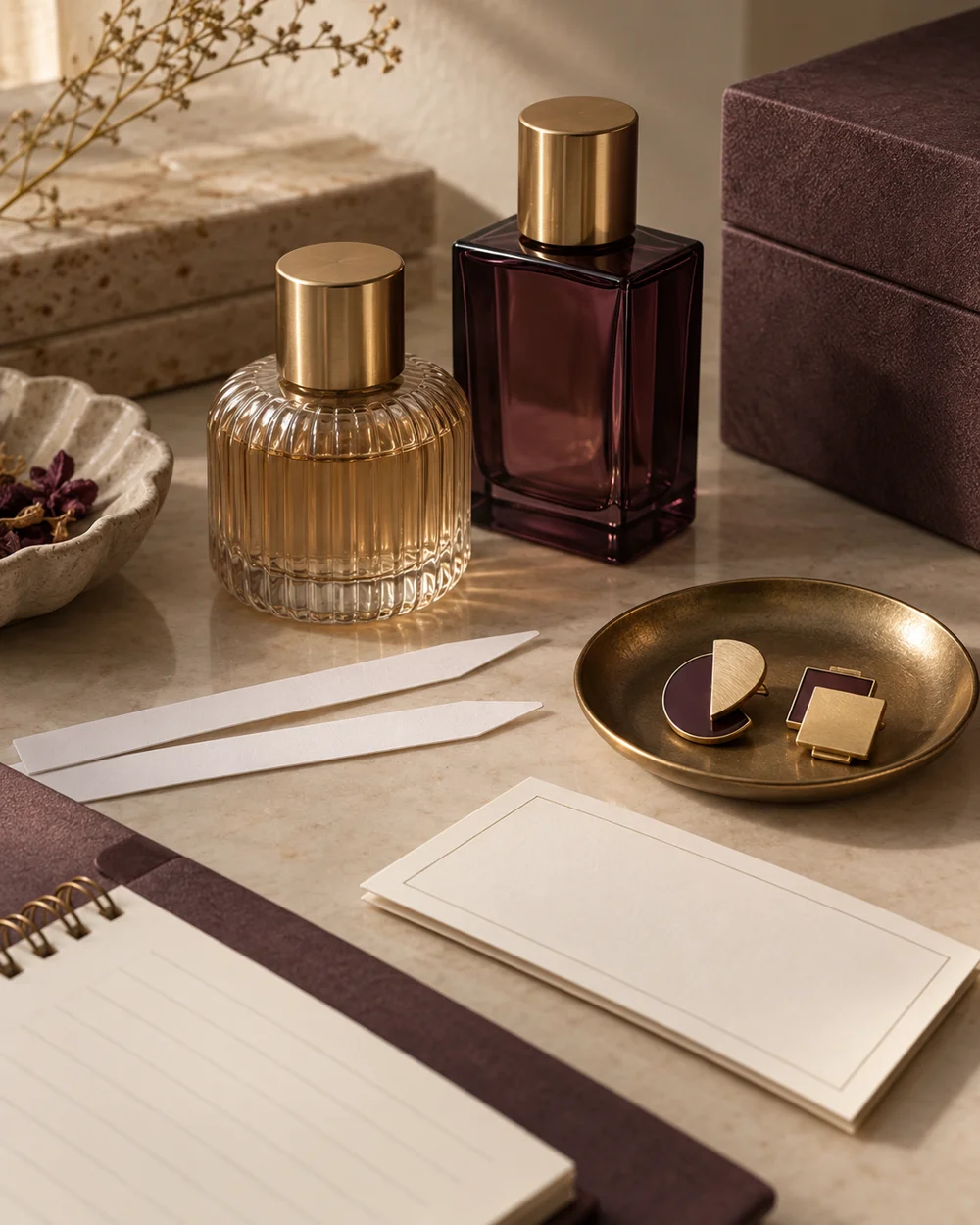
Scent pairing
Compare a Familiar Paper Sample With a New One
Read the note ↗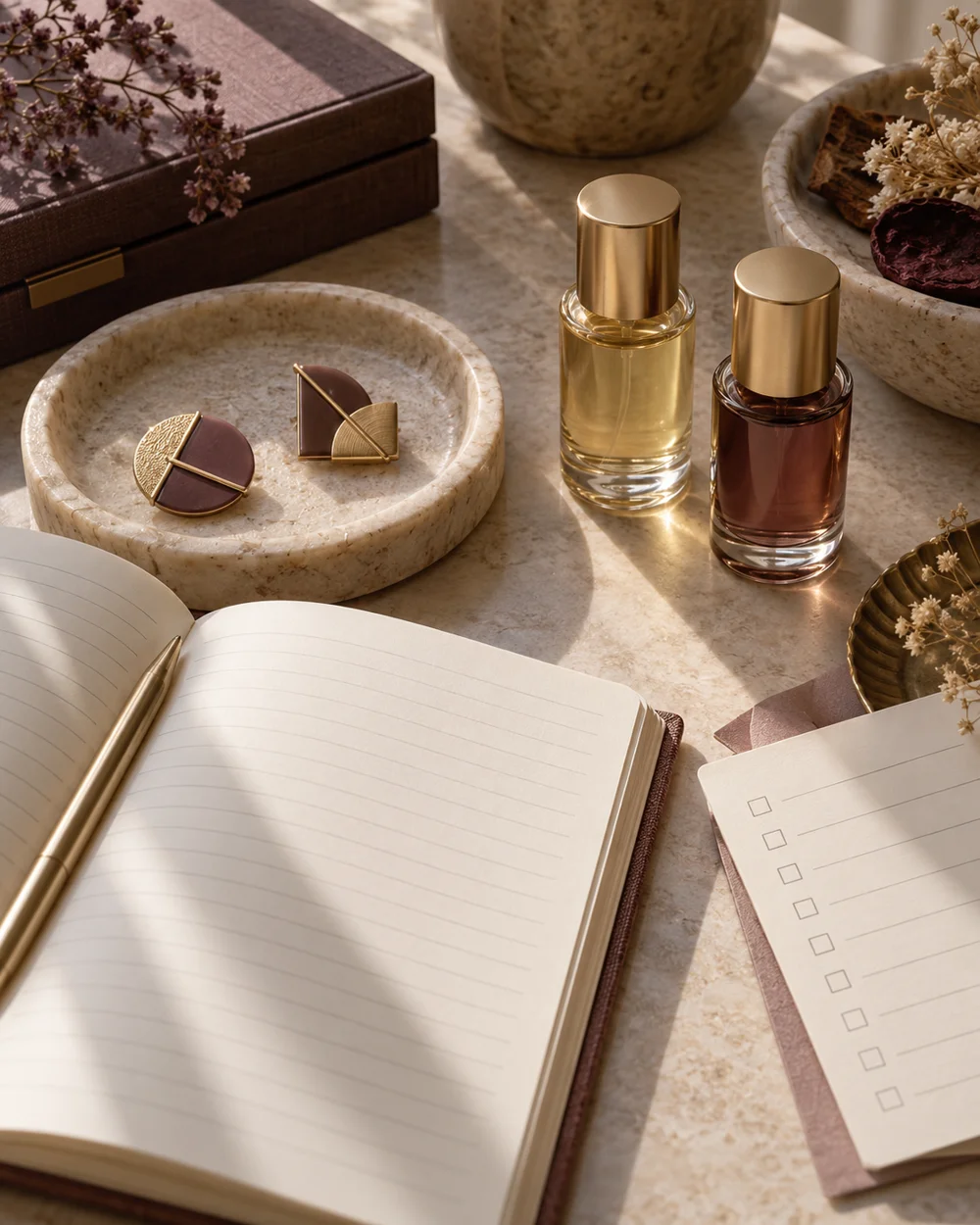
Scent pairing
Make a Paper Pairing Revisit List
Read the note ↗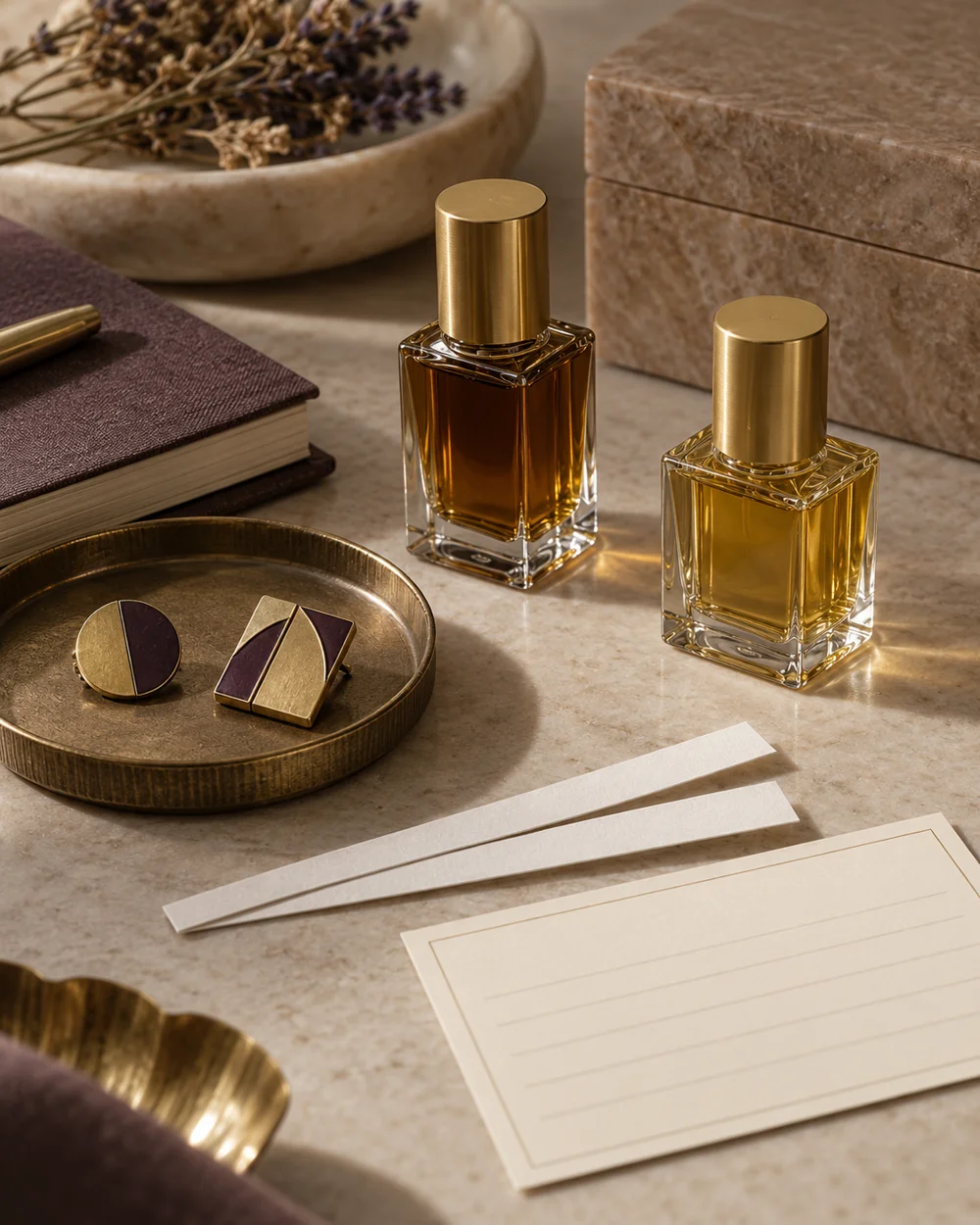
Scent pairing
Describe a Scent Pairing Without Guessing Ingredients
Read the note ↗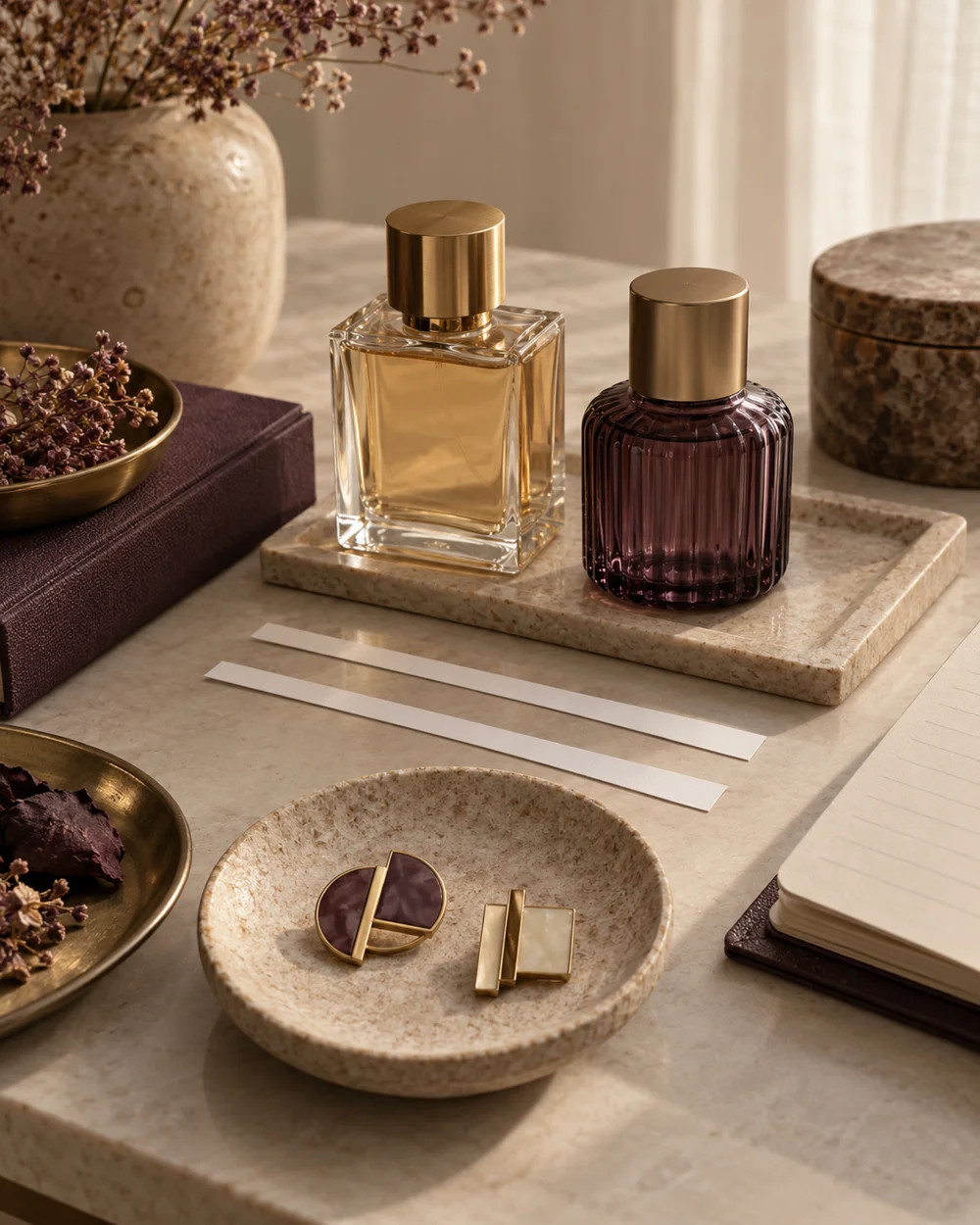
Scent pairing
Compare Paper Impressions Under Similar Conditions
Read the note ↗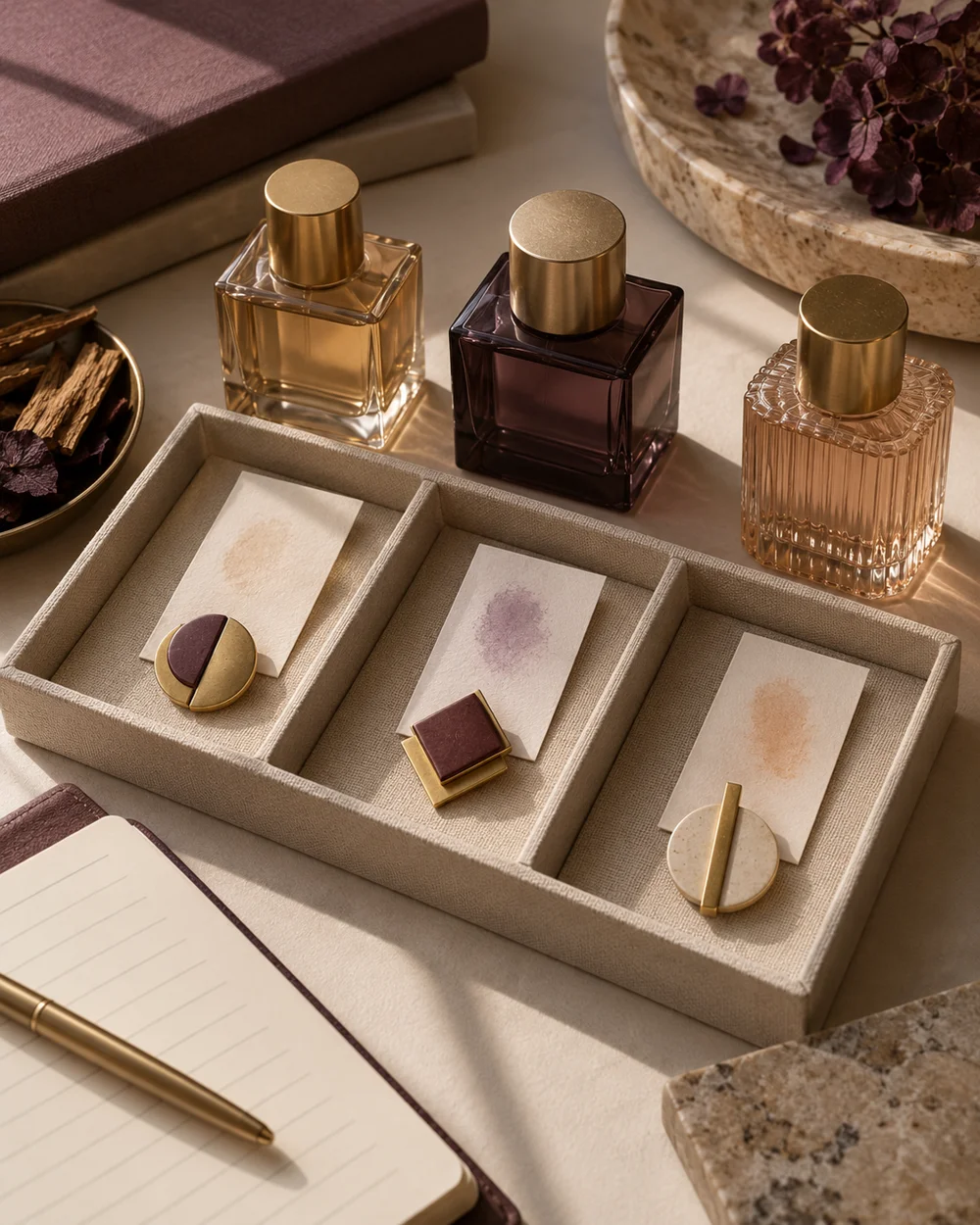
Scent pairing
Keep Scent Samples From Transferring Onto Each Other
Read the note ↗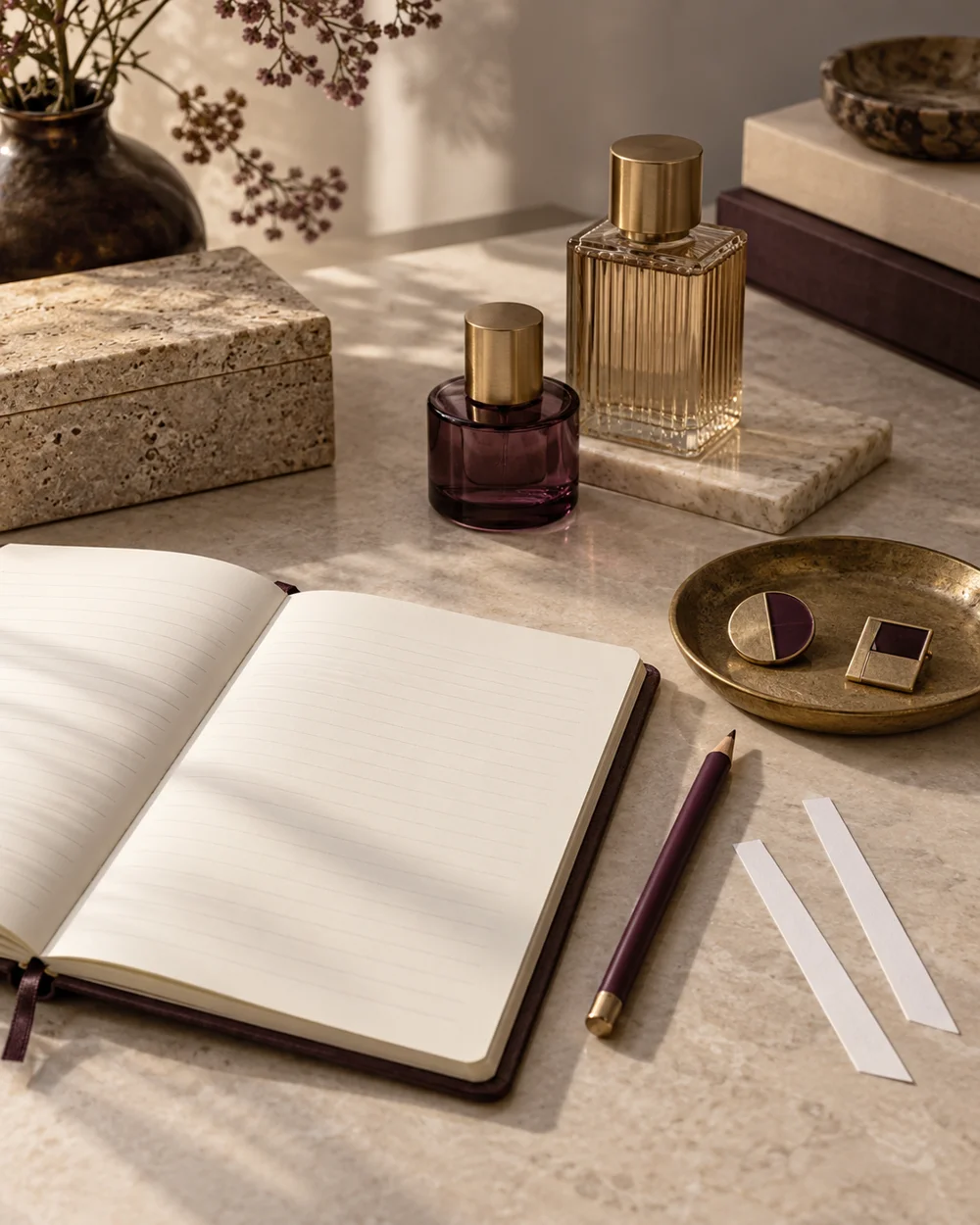
Scent pairing
Write a Clear Conclusion After a Scent Comparison
Read the note ↗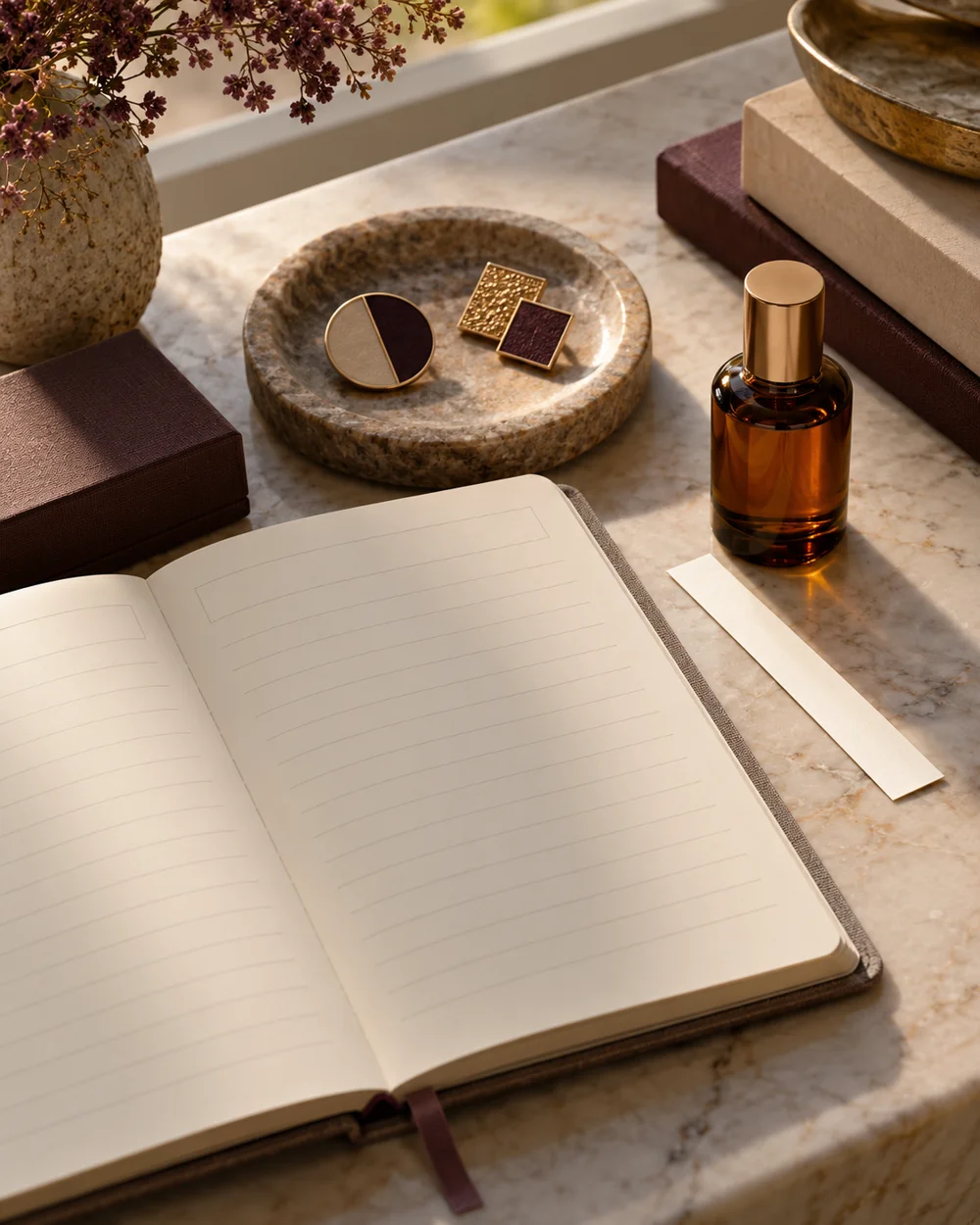
Scent pairing