Use Plain Words Instead of Perfume Scores
Plain words can make fragrance notes more useful than a number whose meaning changes each day. The aim is to remember an impression clearly enough to compare it later.
Read the note ↓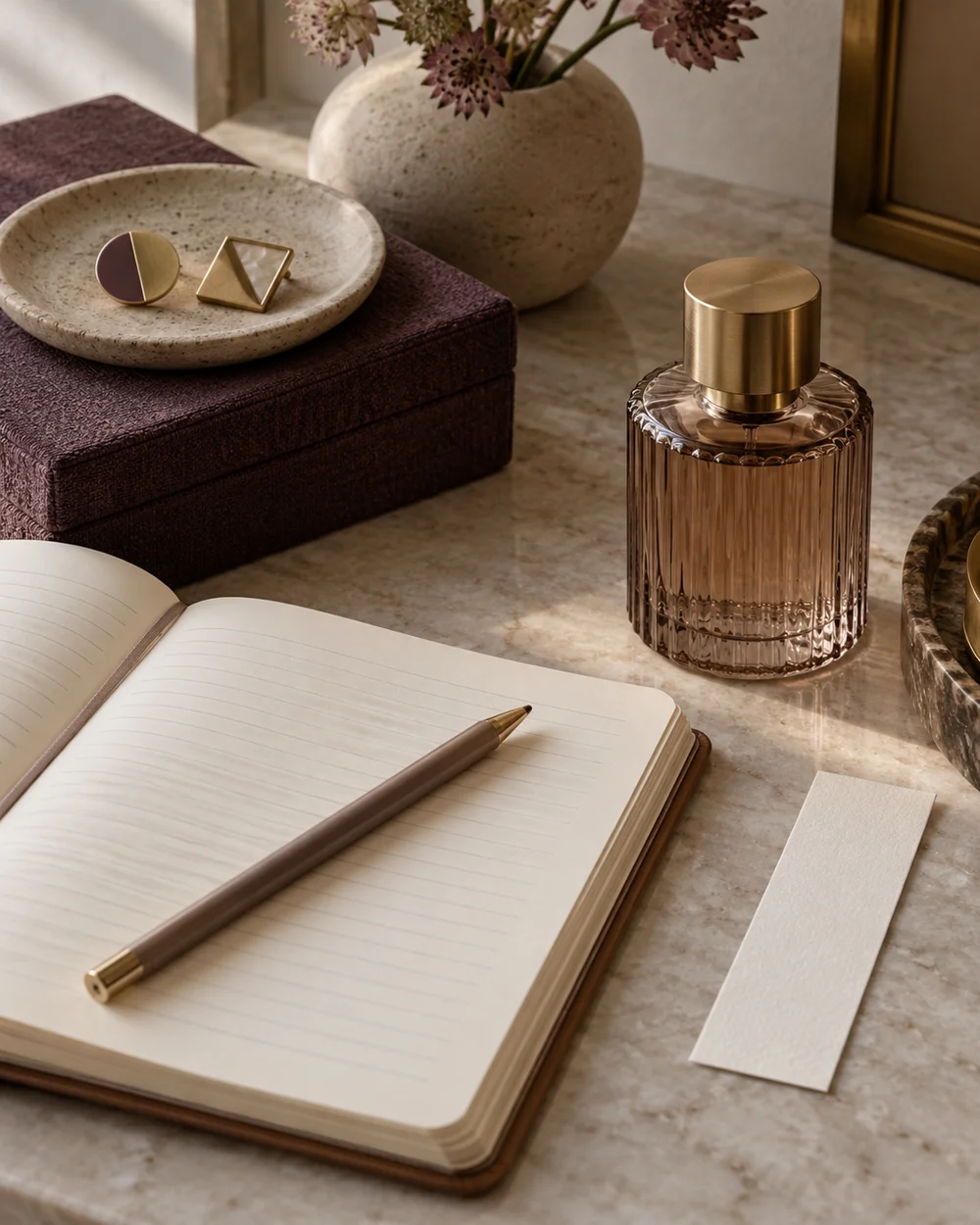
NOTE 01
Identify the samples
Choose one properly identified finished product and a suitable paper sample. Write the source, date, and observation time before describing it, keeping verified product information in a separate area of the page.
NOTE 02
Observe separately
Write three ordinary words that fit your own perception. Avoid choosing words just because they appear in the maker’s description. If a word is vague, add a short example of what you mean.
NOTE 03
Compare deliberately
Add one sentence about your preference, such as wanting to revisit the sample or preferring it alone. Leave room for a later observation rather than trying to compress every response into a score.
NOTE 04
Record a conclusion
Review the note after a break and keep what remains understandable. Subjective language is not an ingredient declaration or a promise about safety, popularity, quality, or how a scent performs on skin.
Before you go.
What is the most useful detail to remember?
A short explanatory sentence can be more memorable than a numerical rating.
What should I establish before starting?
Choose one properly identified finished product and a suitable paper sample. Write the source, date, and observation time before describing it, keeping verified product information in a separate area of the page.
Original editorial guidance. Photographs are AI-generated concepts; they do not show verified products, material specifications, or tested results. Sources & approach.
Save to Pinterest ↗FOLLOW THE DETAIL
A note to read next.
Scent pairing
Two notes. One considered pairing.
Read the note ↗
Scent pairing
A floral note, with a quieter edge.
Read the note ↗
Scent pairing
Compare a Citrus Description With a Wood Description
Read the note ↗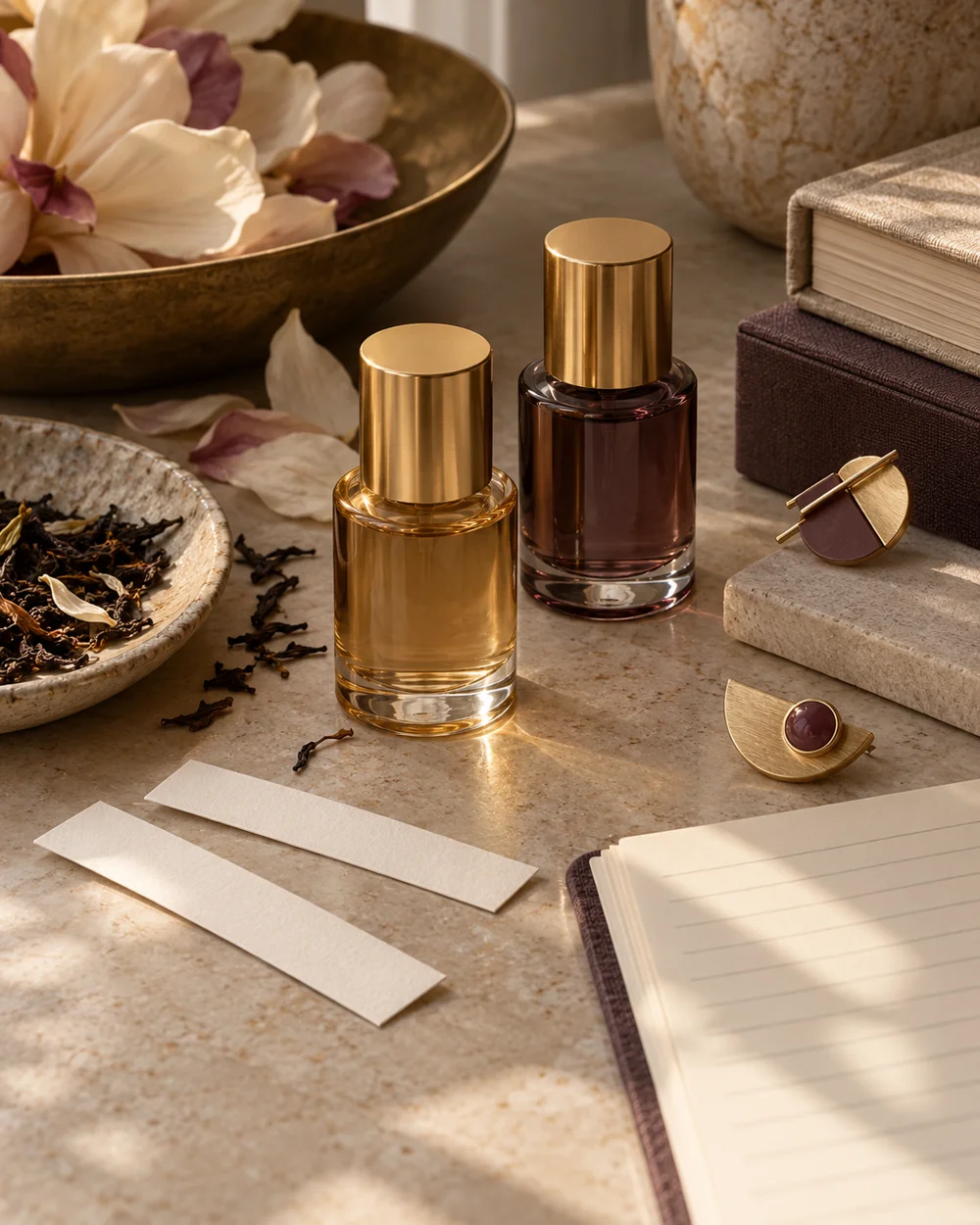
Scent pairing
Compare a Floral Description With a Tea Description
Read the note ↗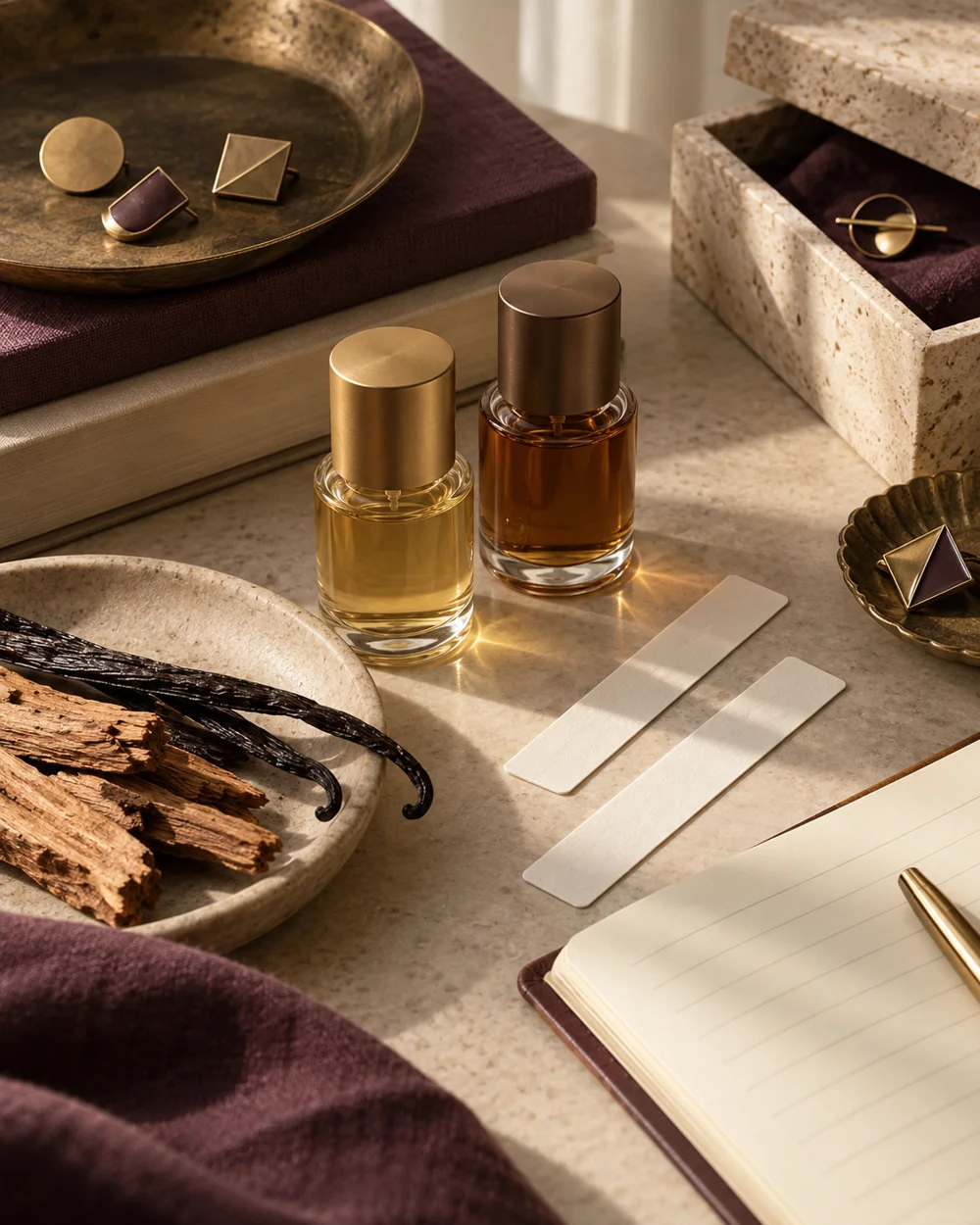
Scent pairing
Compare a Vanilla Description With a Wood Description
Read the note ↗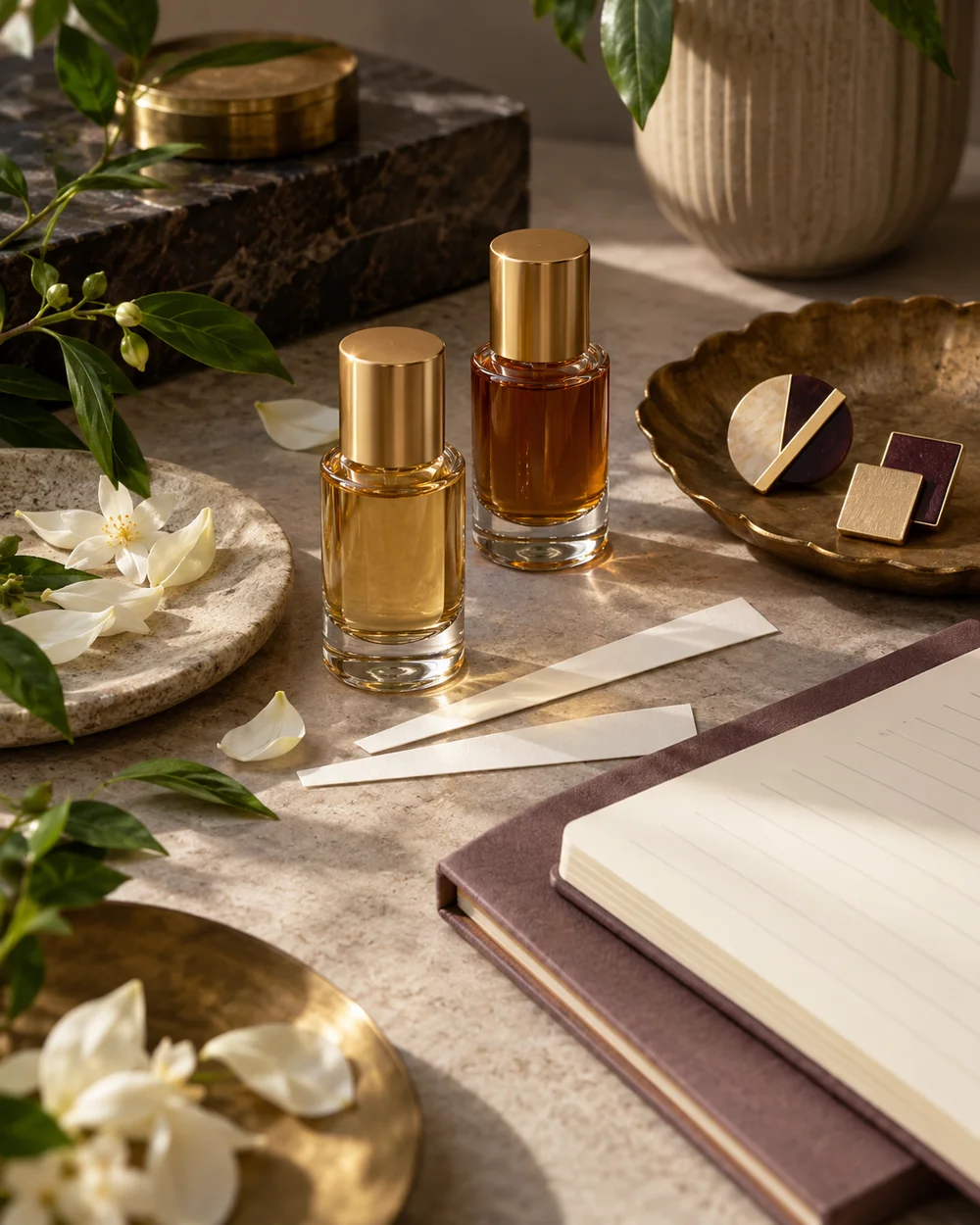
Scent pairing
Compare a Green Description With a Floral Description
Read the note ↗
Scent pairing
Explore Fresh and Warm Words in Scent Notes
Read the note ↗
Scent pairing
Compare Two Scents Without Mixing Their Liquids
Read the note ↗
Scent pairing
Change One Scent at a Time in a Paper Comparison
Read the note ↗
Scent pairing
Record a First and Later Paper Impression
Read the note ↗
Scent pairing
Compare One Scent Alone With a Two-Strip Impression
Read the note ↗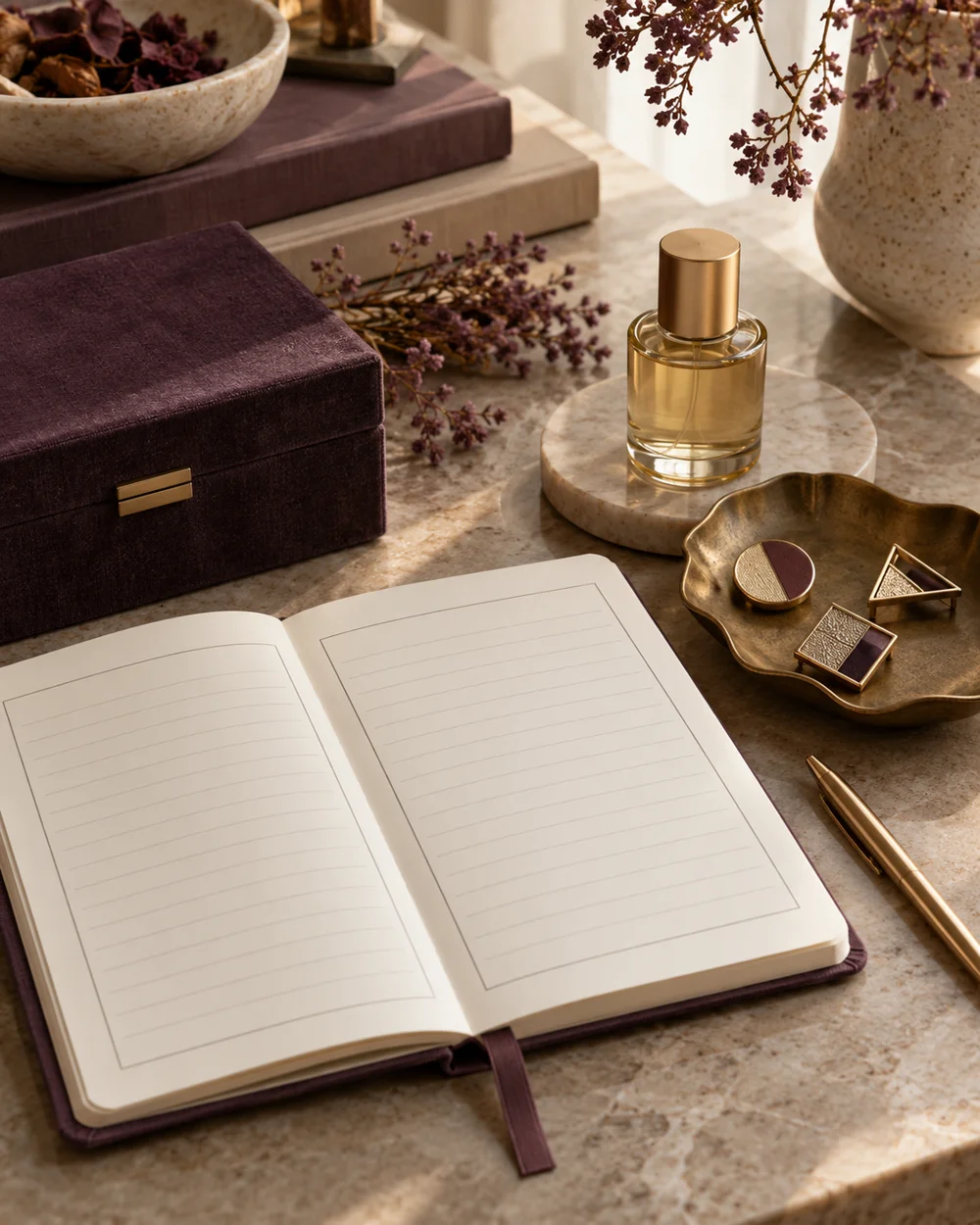
Scent pairing
Separate a Maker Note List From Your Own Impression
Read the note ↗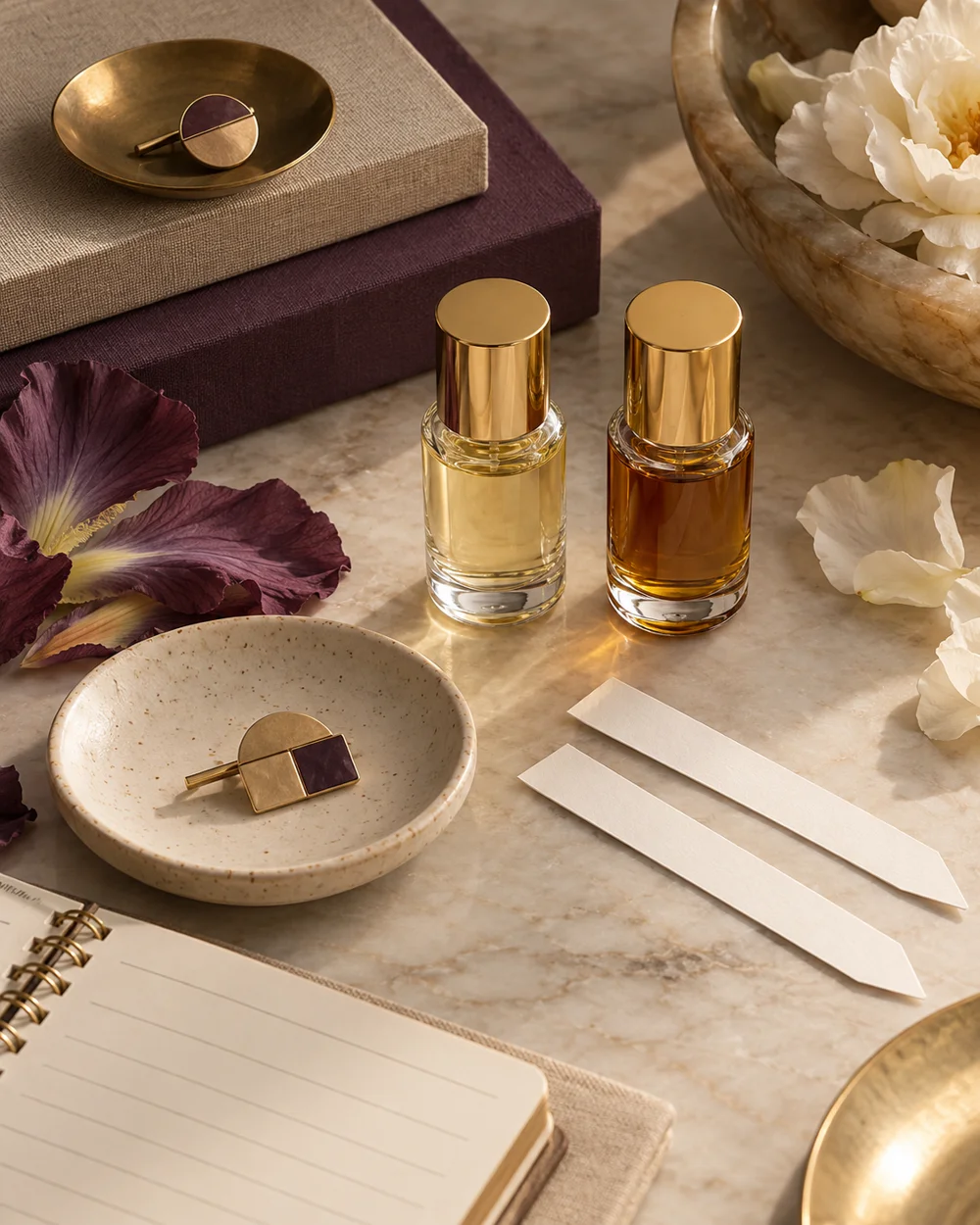
Scent pairing
Compare Two Floral Descriptions on Paper
Read the note ↗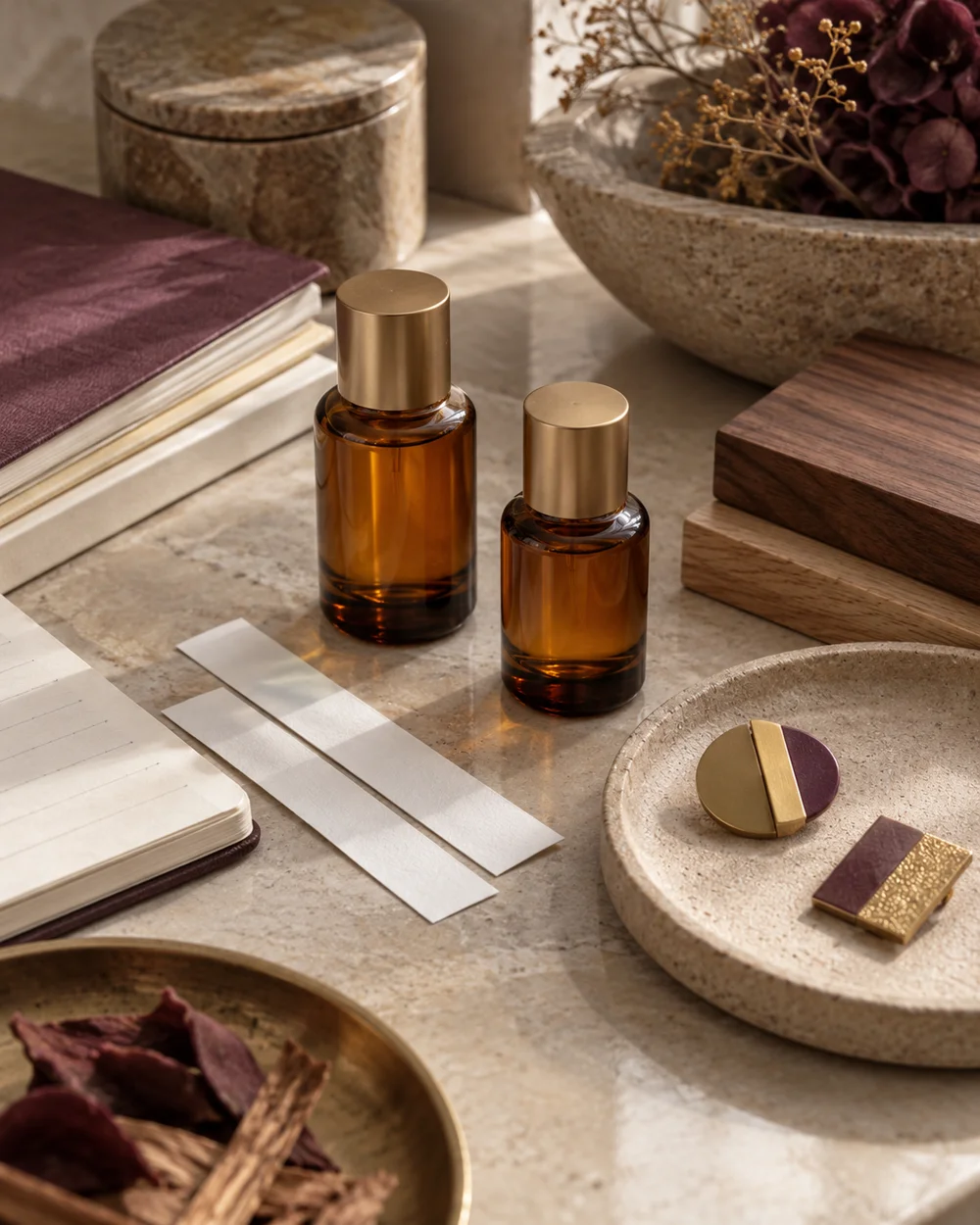
Scent pairing
Compare Two Wood Descriptions on Paper
Read the note ↗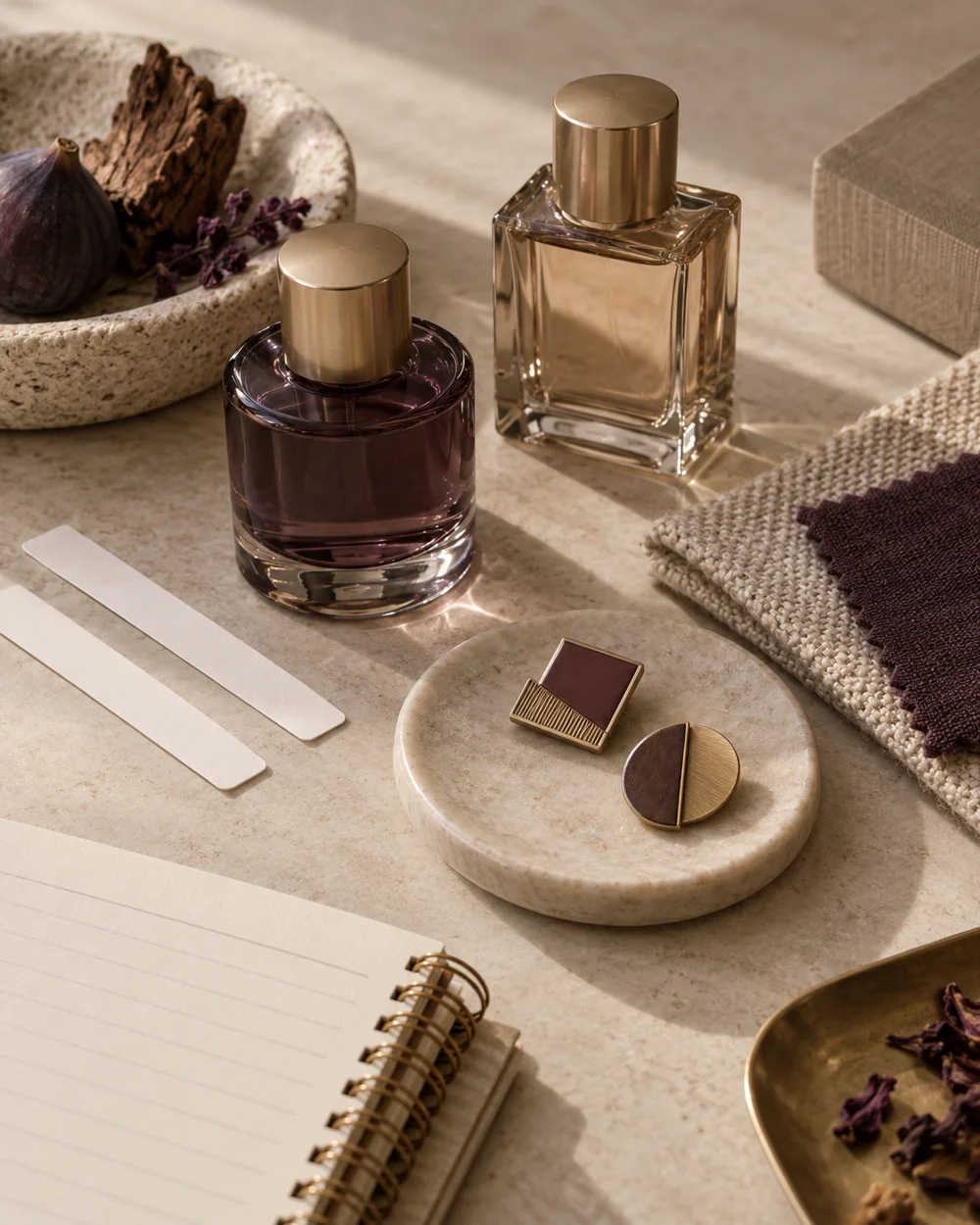
Scent pairing
Explore Soft and Dry as Subjective Scent Words
Read the note ↗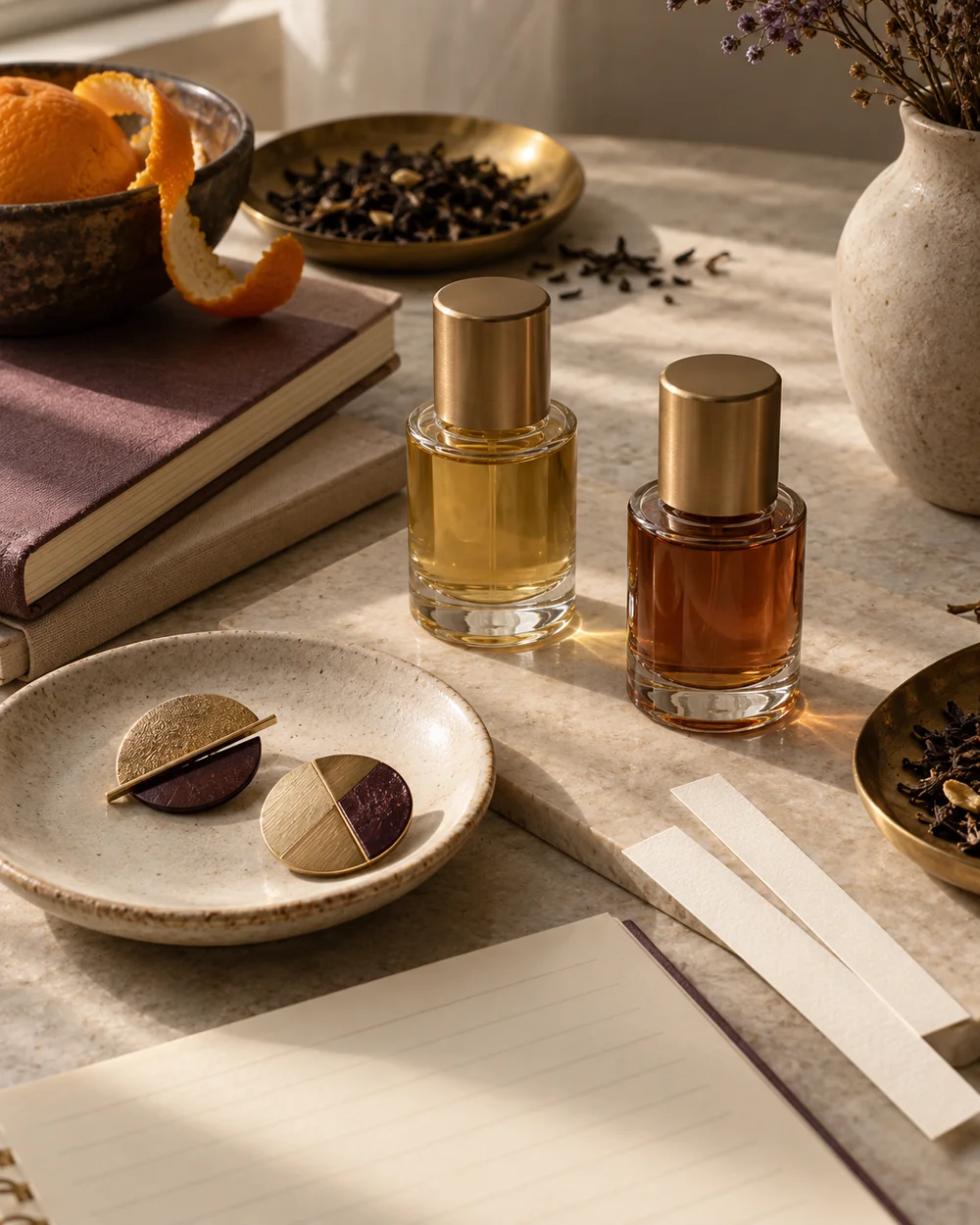
Scent pairing
Compare a Citrus Description With a Tea Description
Read the note ↗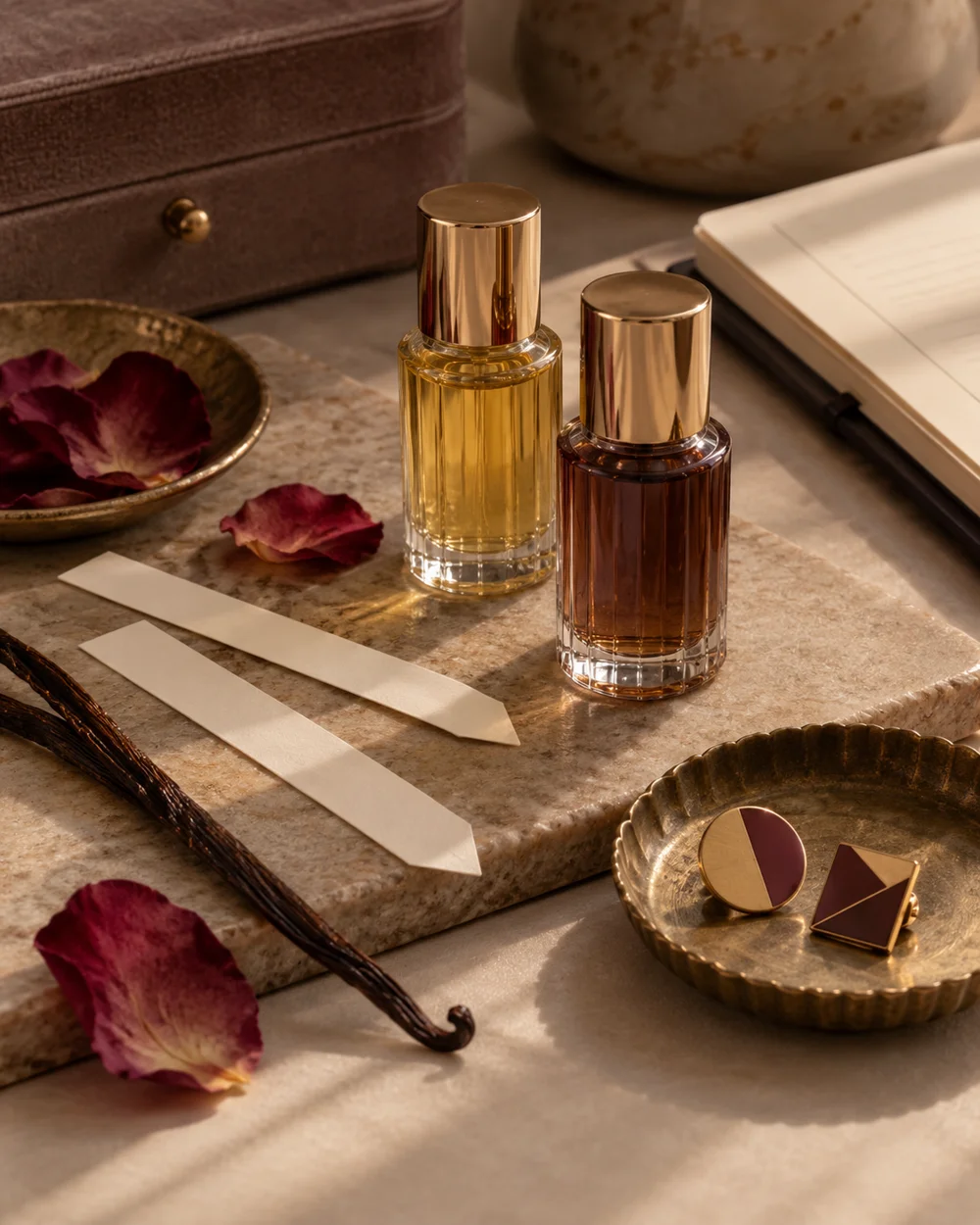
Scent pairing
Compare a Rose Description With a Vanilla Description
Read the note ↗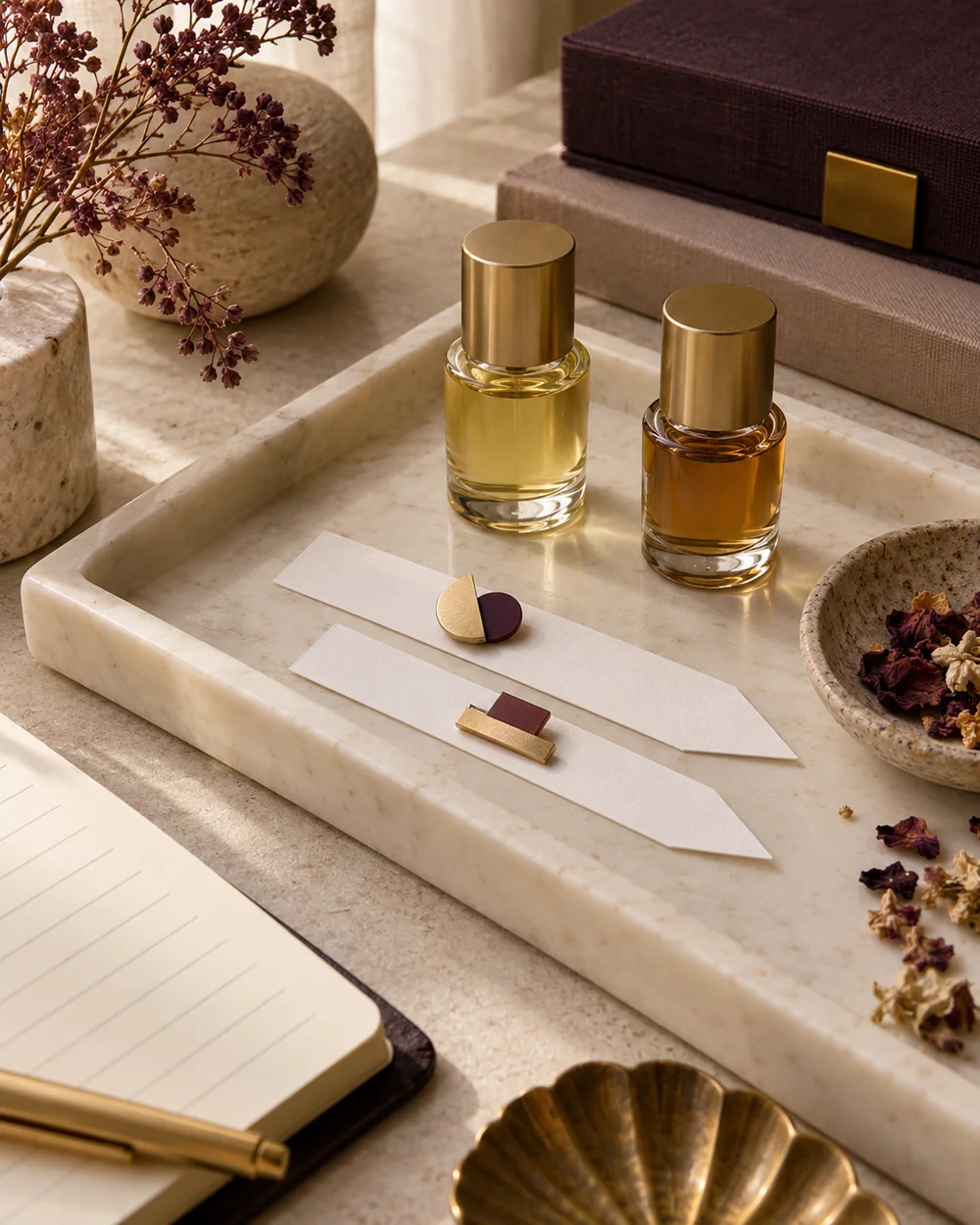
Scent pairing
Notice Which Paper Impression Seems More Prominent
Read the note ↗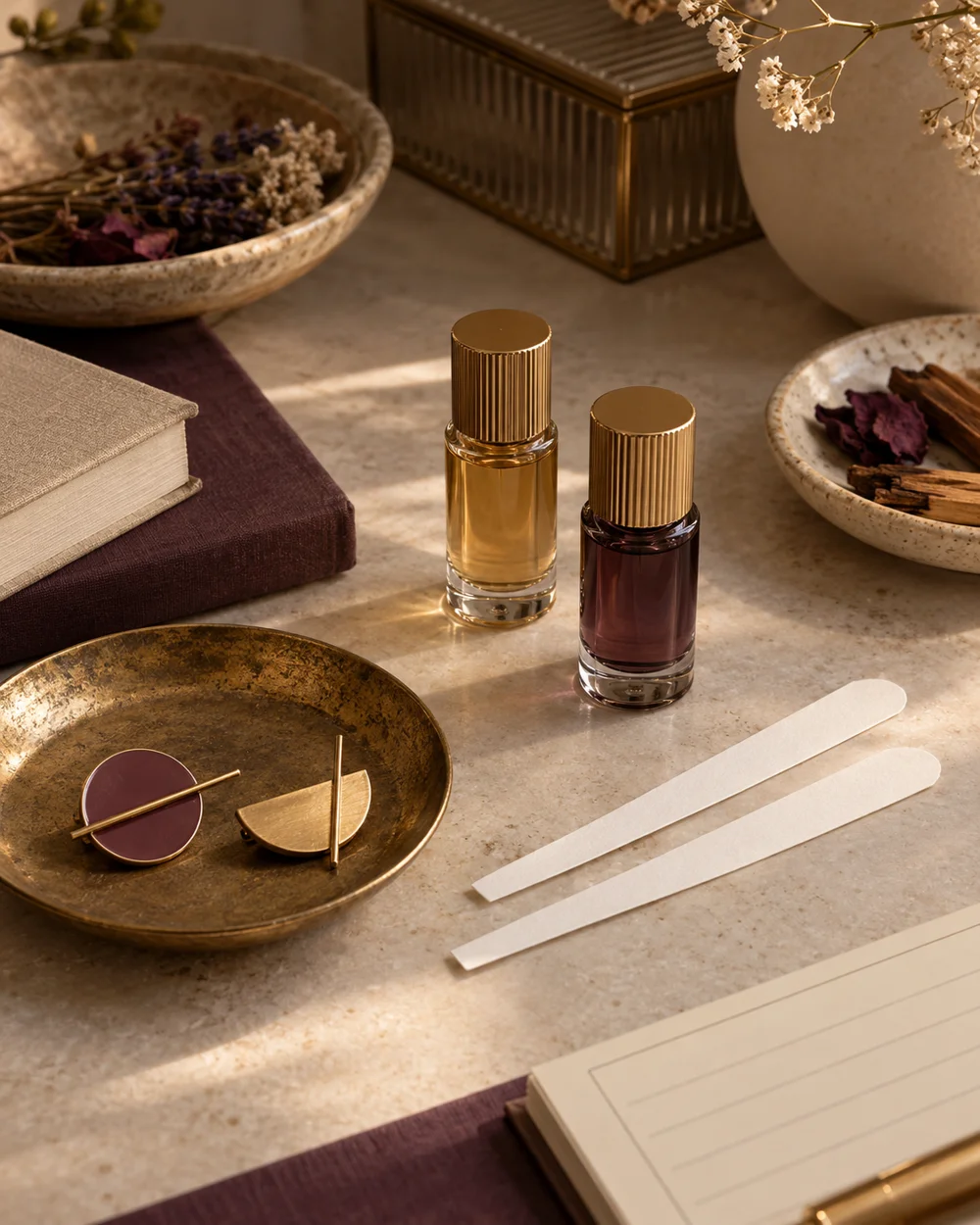
Scent pairing
Keep a Two-Scent Comparison Small and Repeatable
Read the note ↗
Scent pairing
Compare a Familiar Paper Sample With a New One
Read the note ↗
Scent pairing
Make a Paper Pairing Revisit List
Read the note ↗
Scent pairing
Describe a Scent Pairing Without Guessing Ingredients
Read the note ↗
Scent pairing
Compare Paper Impressions Under Similar Conditions
Read the note ↗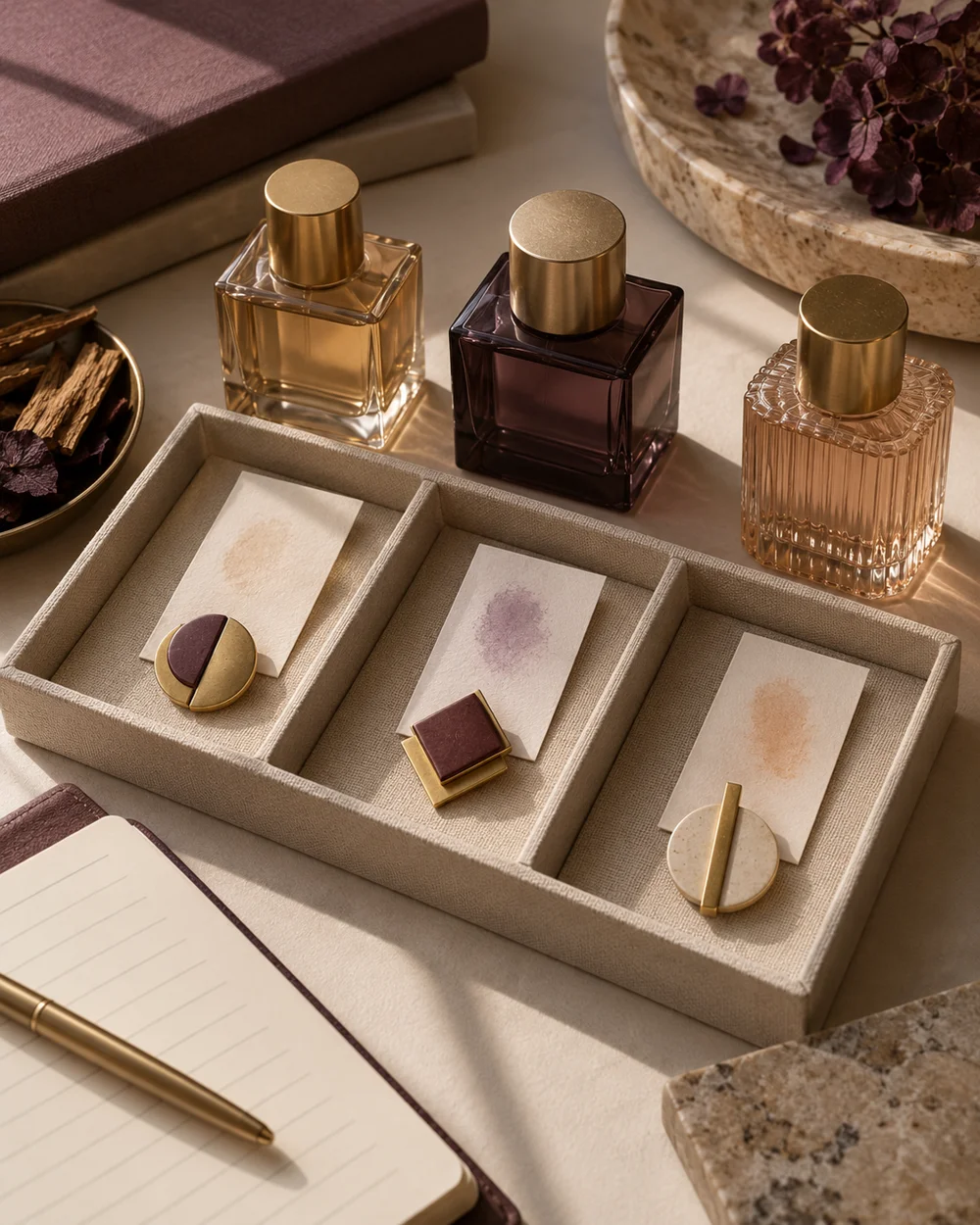
Scent pairing
Keep Scent Samples From Transferring Onto Each Other
Read the note ↗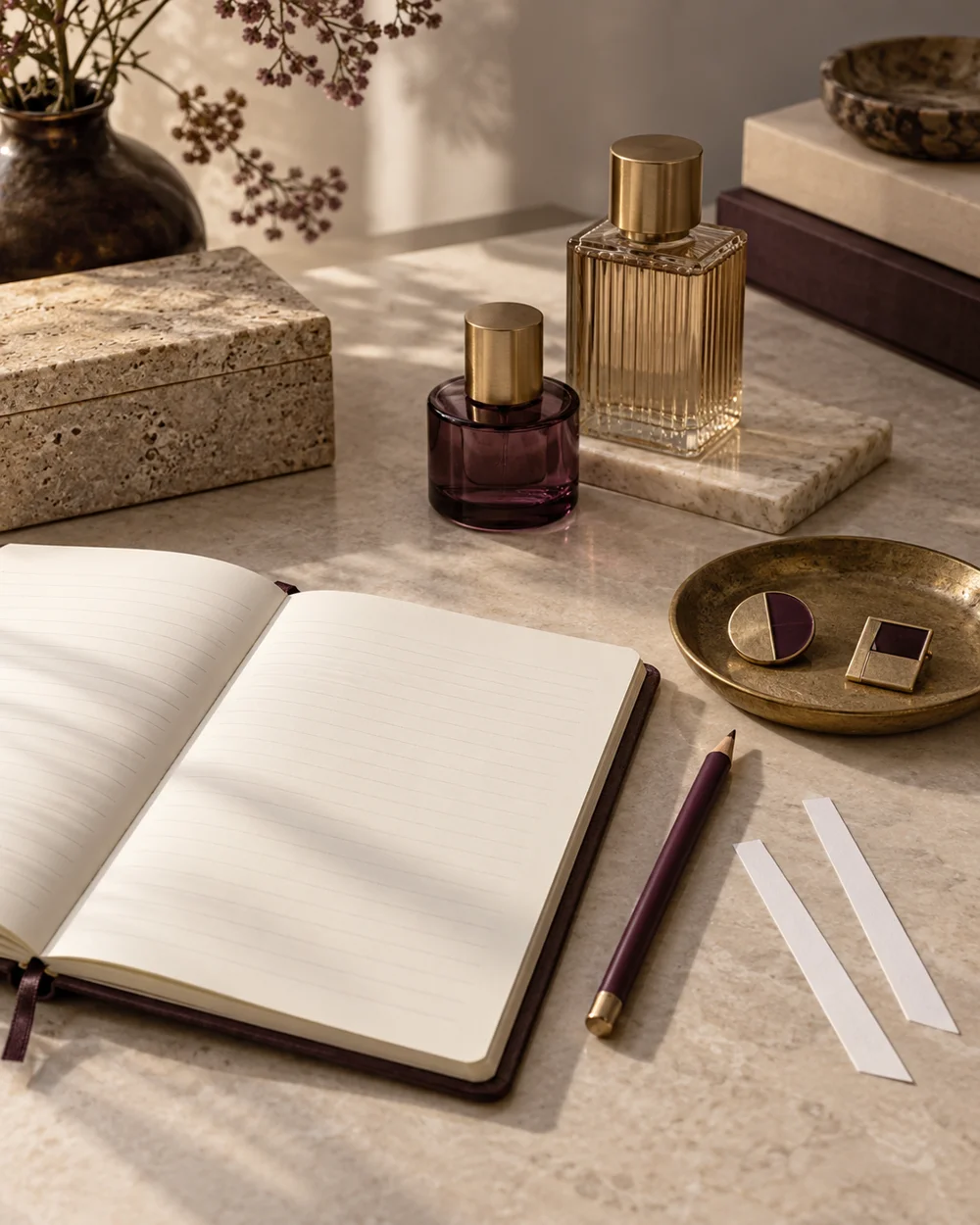
Scent pairing
Write a Clear Conclusion After a Scent Comparison
Read the note ↗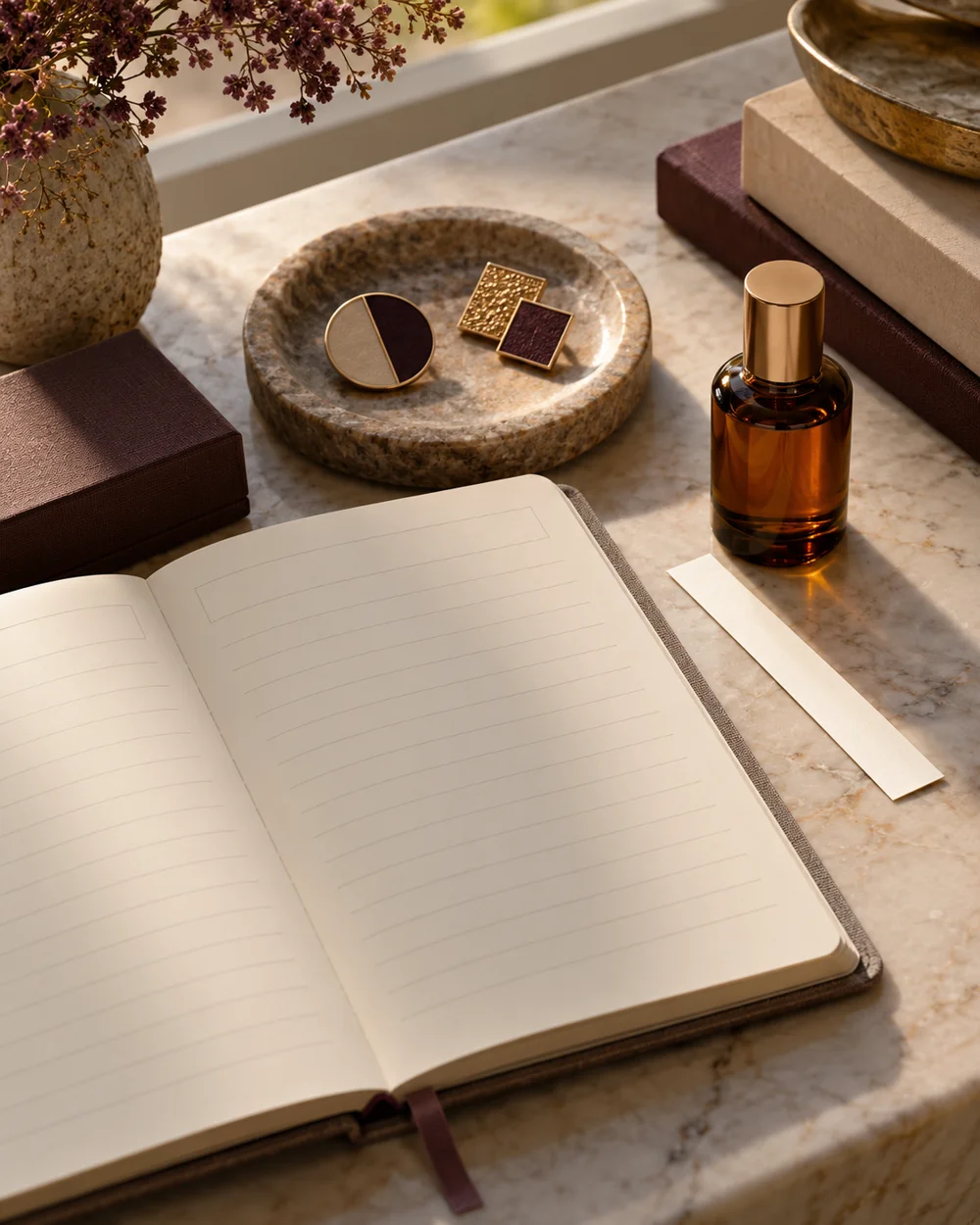
Scent pairing