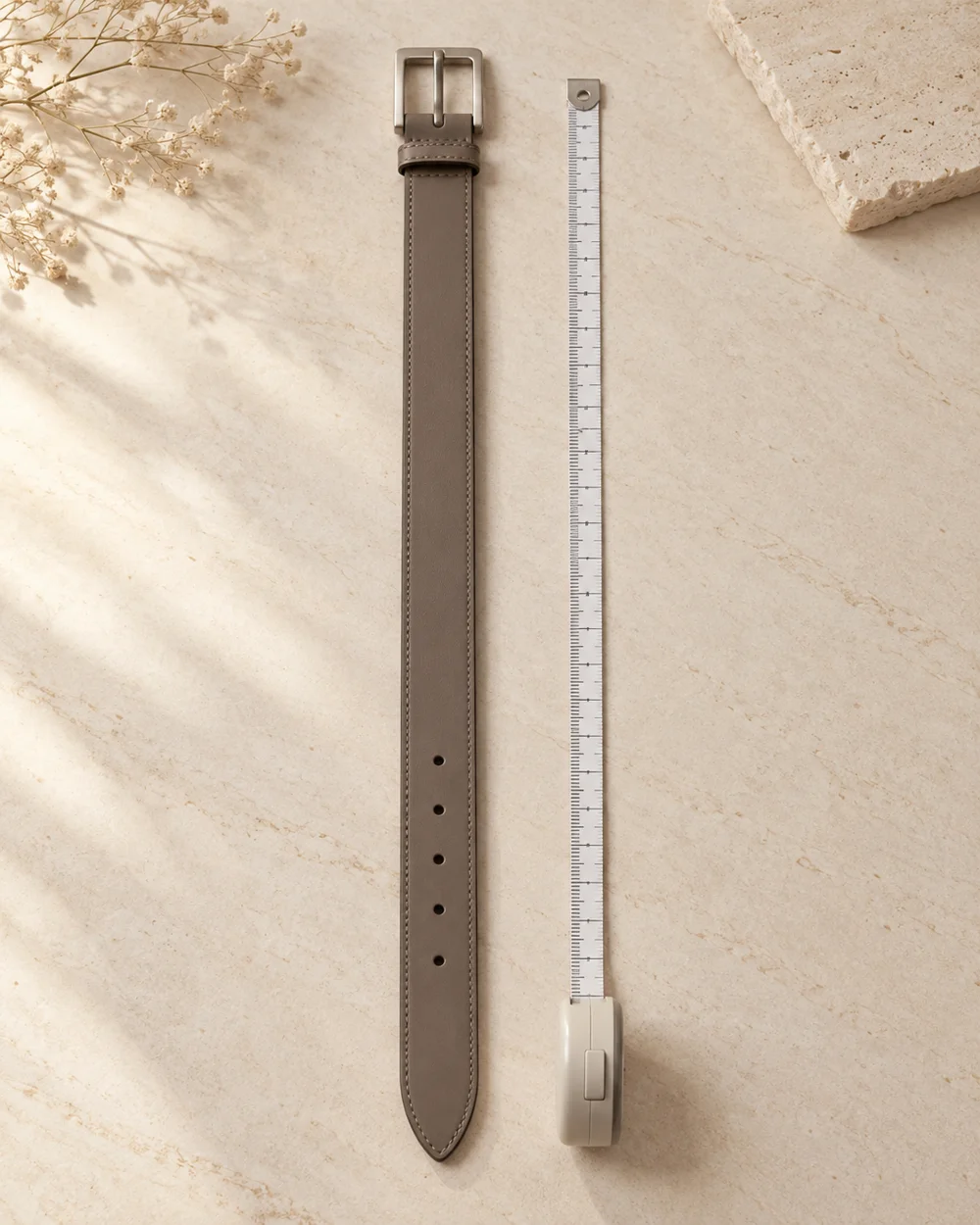
Compare Two Belt Sizes Using Maker Measurements
Two belt size charts can describe different measurements. Comparing the numbers is useful only after the reference points and units are understood.
Read the note ↓
NOTE 01
Establish the product details
Open the current chart for each exact model and note whether it describes total length, a working position, or another measure. Keep the wording with the number.
NOTE 02
Make the practical comparison
Measure an existing suitable belt using each stated method where possible. Do not convert clothing size into belt size by an assumed universal rule. Put each maker method in its own column and label the measurement points before entering numbers. If both charts use the same words but define them differently, preserve the definitions beside the values. A chart comparison becomes unreliable when the labels are shortened too aggressively. Ask for clarification rather than choosing the larger number merely because it appears to offer more adjustment.
NOTE 03
Resolve the remaining question
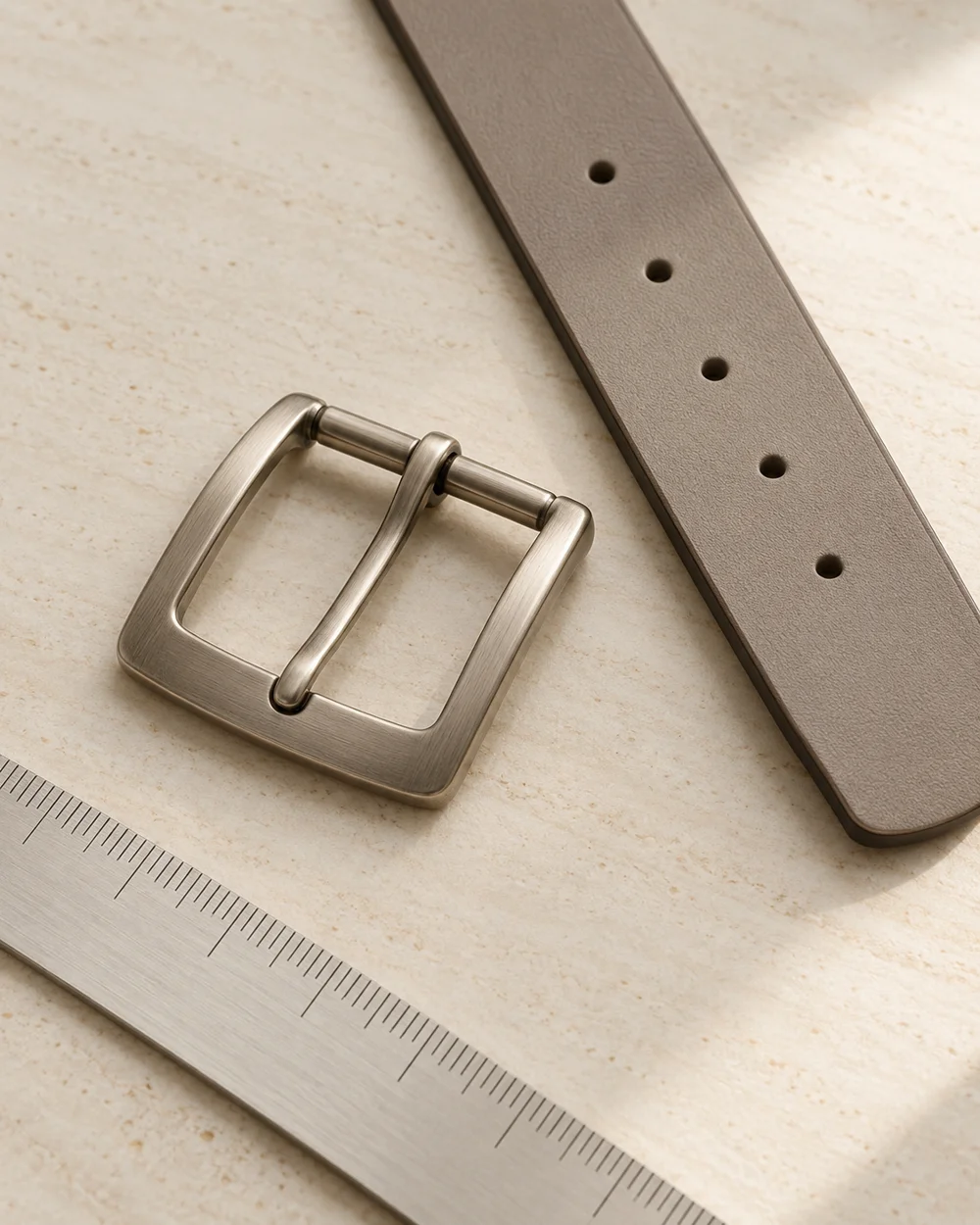
Compare usable adjustment range and strap width as separate facts. A similar labeled size does not establish that the closures or buckle dimensions match.
NOTE 04
Keep a useful reference
Ask the maker about a missing definition before ordering. Keep the answer and the chart reference with the purchase notes for that model.
Before you go.
What is the main point to remember?
Make the measurement methods comparable before comparing their results.
What should I establish before starting?
Open the current chart for each exact model and note whether it describes total length, a working position, or another measure. Keep the wording with the number.
Original editorial guidance. Photographs are AI-generated concepts; they do not show verified products, material specifications, or tested results. Sources & approach.
Save to Pinterest ↗FOLLOW THE DETAIL