Read Belt Material Information Without Guessing
A belt’s appearance does not reliably identify its composition or origin. The strap, backing, edge finish, buckle, and decorative parts may have different material descriptions.
Read the note ↓
NOTE 01
Establish the product details
Find the exact product information and record which component each statement covers. Vague wording or a material-like texture is a reason to ask a question, not to fill in the missing facts.
NOTE 02
Make the practical comparison
Request clarification of composition and origin when those details matter to your purchasing boundaries. Keep the answer with the model reference so it is not confused with another version. An inventory can separate strap face, backing, edge, and hardware into distinct fields. A confirmed answer for one field does not need to fill the others automatically. If you require information about animal-derived components, ask that question explicitly rather than substituting a word such as faux or natural for a full answer. Keep any certification claim separate until the relevant documentation has actually been checked.
NOTE 03
Resolve the remaining question
Choose care only after the relevant directions are clear. Avoid applying a method associated with another material merely because two belts look alike.
NOTE 04
Keep a useful reference
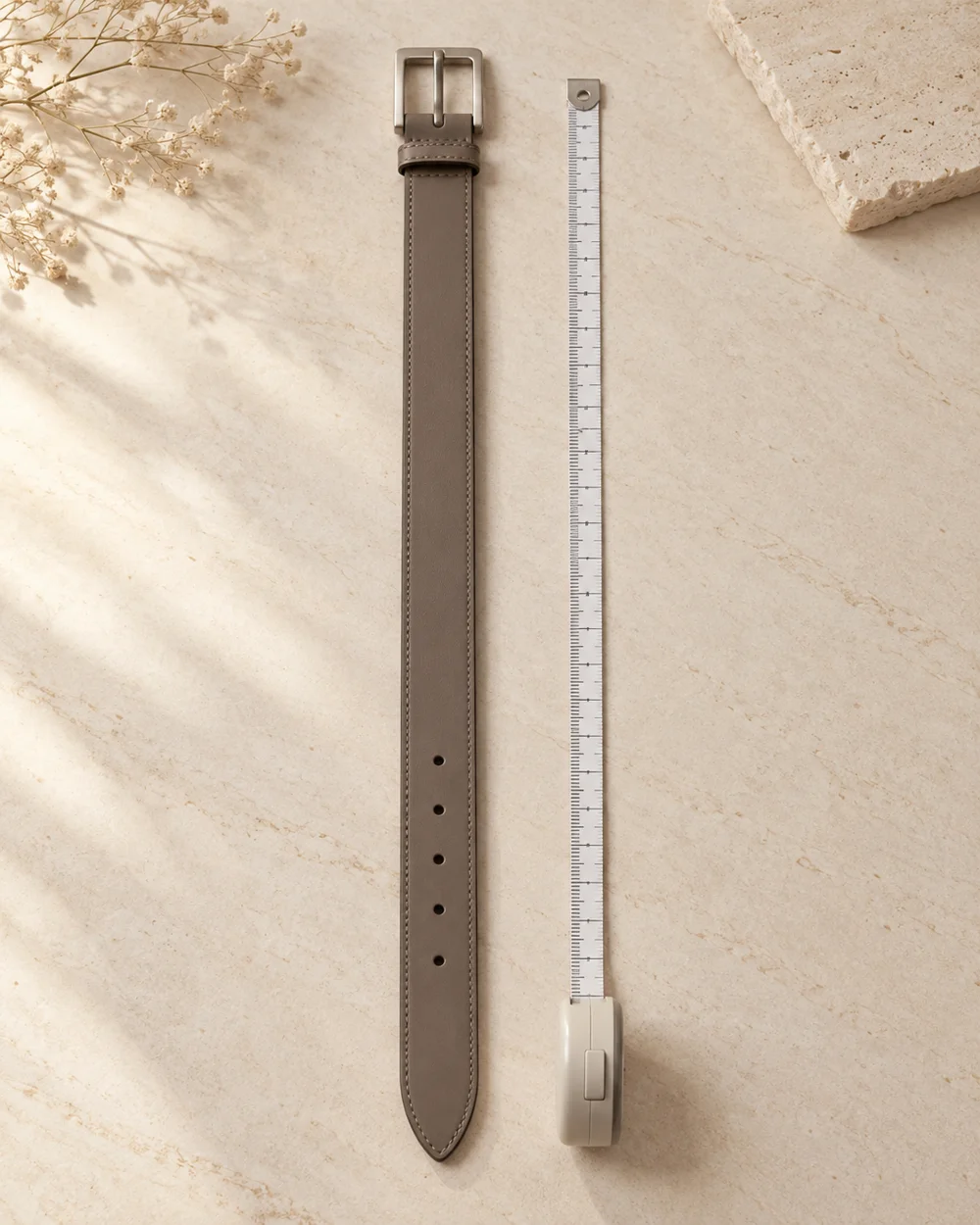
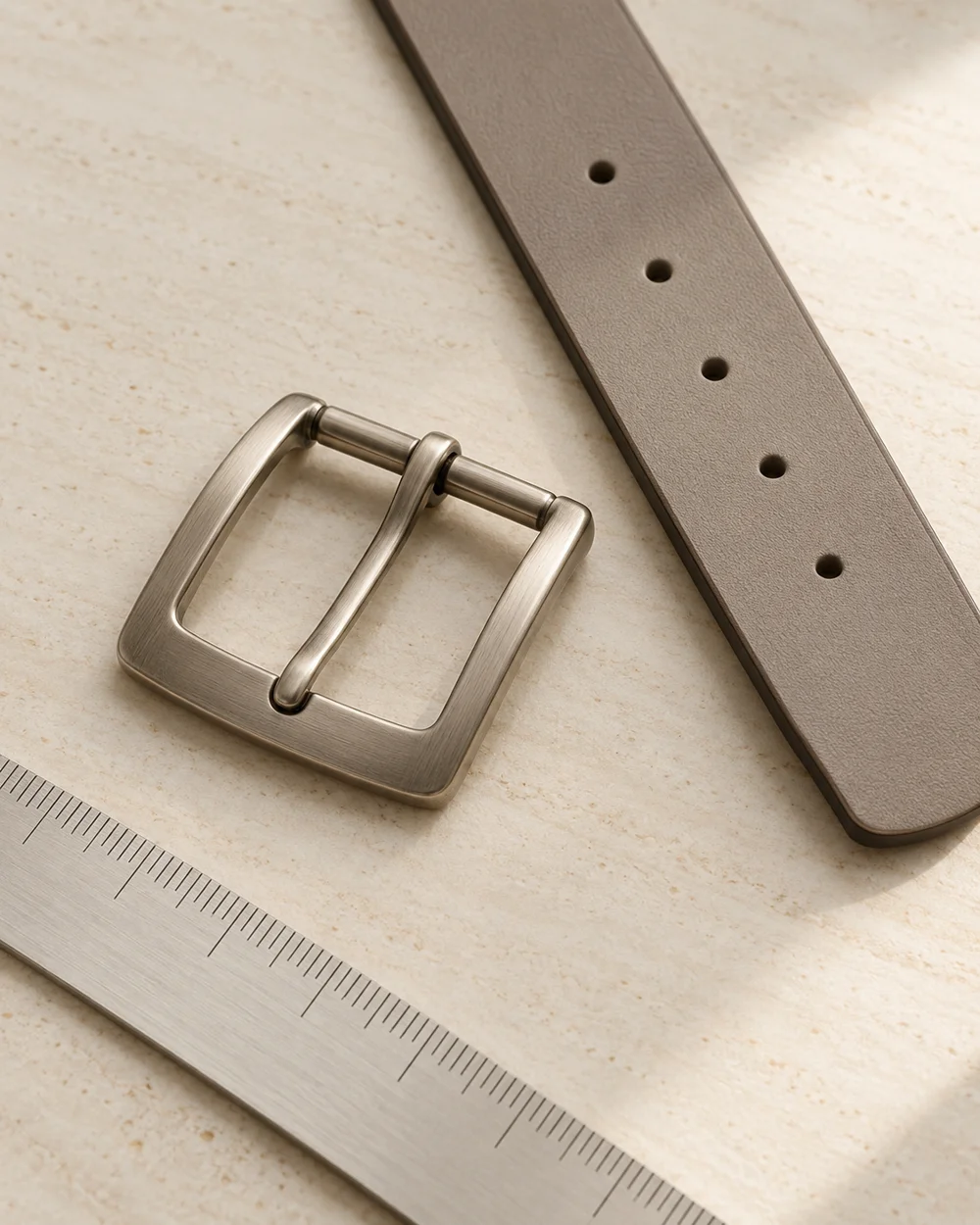
Treat our image as an unbranded concept. It does not establish that a real belt is animal-free, alcohol-free, certified, or appropriate for a specific care product.
Before you go.
What is the main point to remember?
Keep verified composition separate from visual descriptions such as smooth, woven, or glossy.
What should I establish before starting?
Find the exact product information and record which component each statement covers. Vague wording or a material-like texture is a reason to ask a question, not to fill in the missing facts.
Original editorial guidance. Photographs are AI-generated concepts; they do not show verified products, material specifications, or tested results. Sources & approach.
Save to Pinterest ↗FOLLOW THE DETAIL