Check a Brooch Clasp and Fabric Before Attaching It
A brooch should suit the fabric as well as the arrangement. A little tabletop checking can reveal a rough point, an unreliable clasp, or a cloth that pulls under the weight. Work with the garment removed and laid flat; avoid opening or positioning a sharp pin while the item is being worn.
Read the note ↓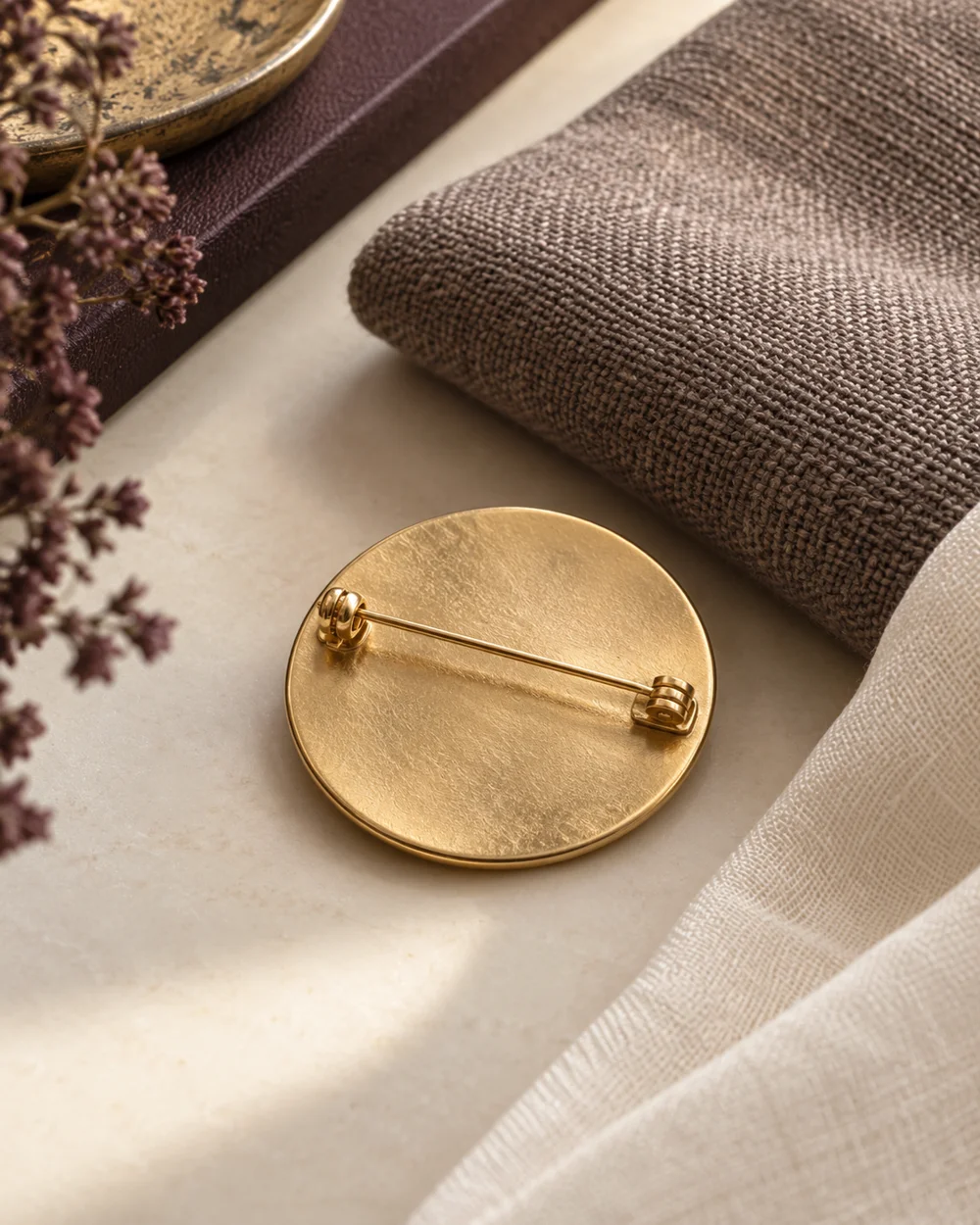
NOTE 01
Look at the reverse
Set the brooch on a clean soft cloth and inspect its hinge, pin, and closure in good light. Follow the maker’s opening method and do not force a stiff or unfamiliar mechanism. A bent point, loose hinge, or clasp that will not contain the point needs appropriate repair before use.
NOTE 02
Understand the fabric
Read the garment care information and look at the weave. Fine, loosely woven, coated, or delicate material may mark or snag when pierced. A heavy accessory may pull even if the pin itself fits. If you have an expendable matching scrap, a careful test can be informative, but it cannot guarantee an invisible result on the garment.
NOTE 03
Choose placement on the flat item
Arrange the brooch without fastening it and look at how the cloth supports its outline. Keep it clear of closures and places that repeatedly fold or catch. Do not use a decorative brooch to hold a load or secure something whose failure could cause injury. If the fabric cannot support it comfortably, choose another piece or leave it unpinned.
NOTE 04
Check after fastening
Only attach a sound pin using its intended mechanism on suitable fabric. Contain the point fully and inspect the cloth for pulling. If the fastening feels uncertain, remove it rather than testing it through wear. Remove accessories before laundering and store them separately. Seek specialist advice for valuable textiles or jewelry.
Before you go.
Can a pin leave a permanent mark?
Yes, some materials can retain holes or snags. Avoid piercing a valued or delicate textile without appropriate material-specific advice.
Can I bend a damaged pin back myself?
Do not force it. A qualified repairer can assess whether the pin, hinge, and closure can be restored reliably.
Original editorial guidance. Photographs are AI-generated concepts; they do not show verified products, material specifications, or tested results. Sources & approach.
Save to Pinterest ↗FOLLOW THE DETAIL
A note to read next.
Accessory care
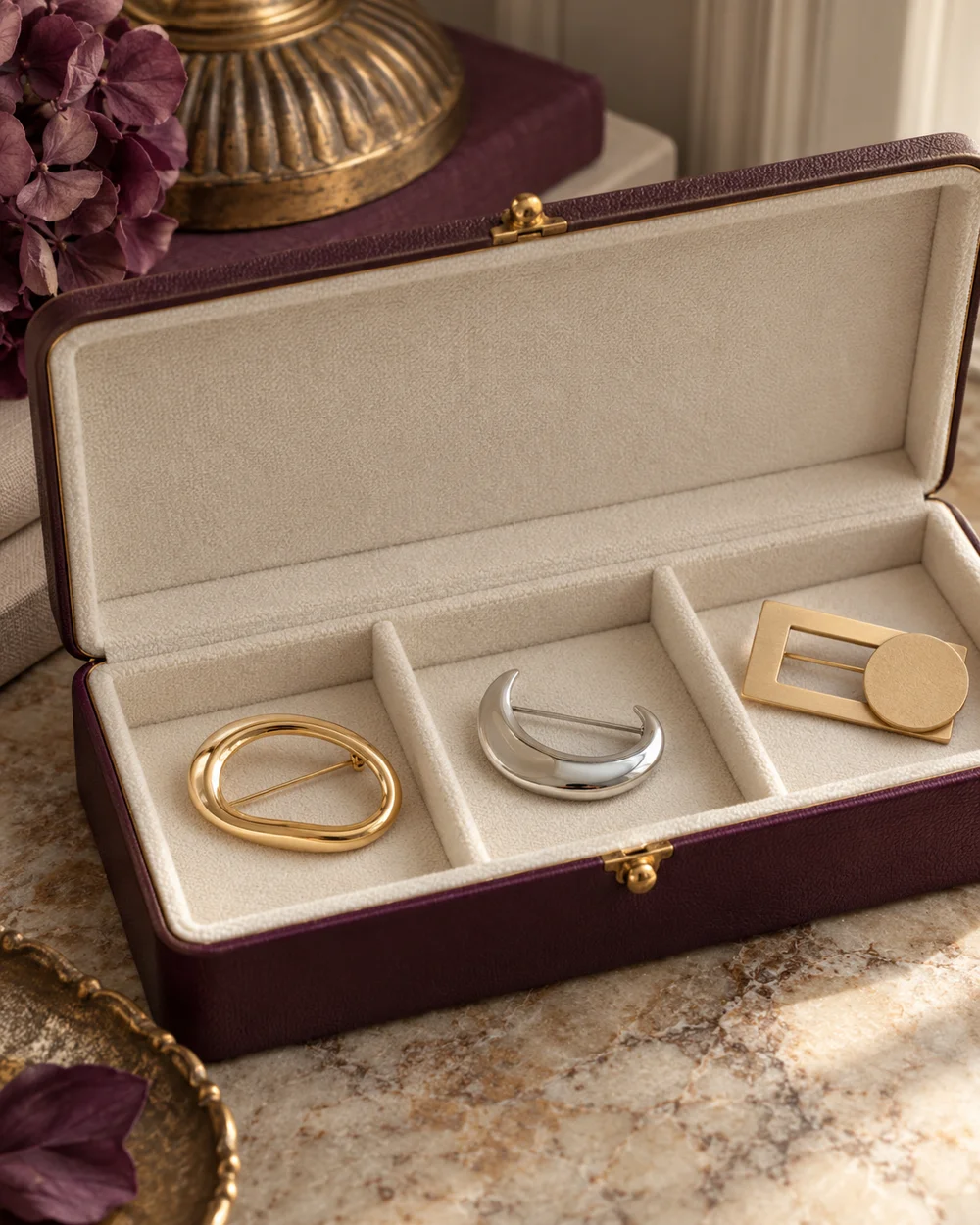
A place for each small piece.
Read the note ↗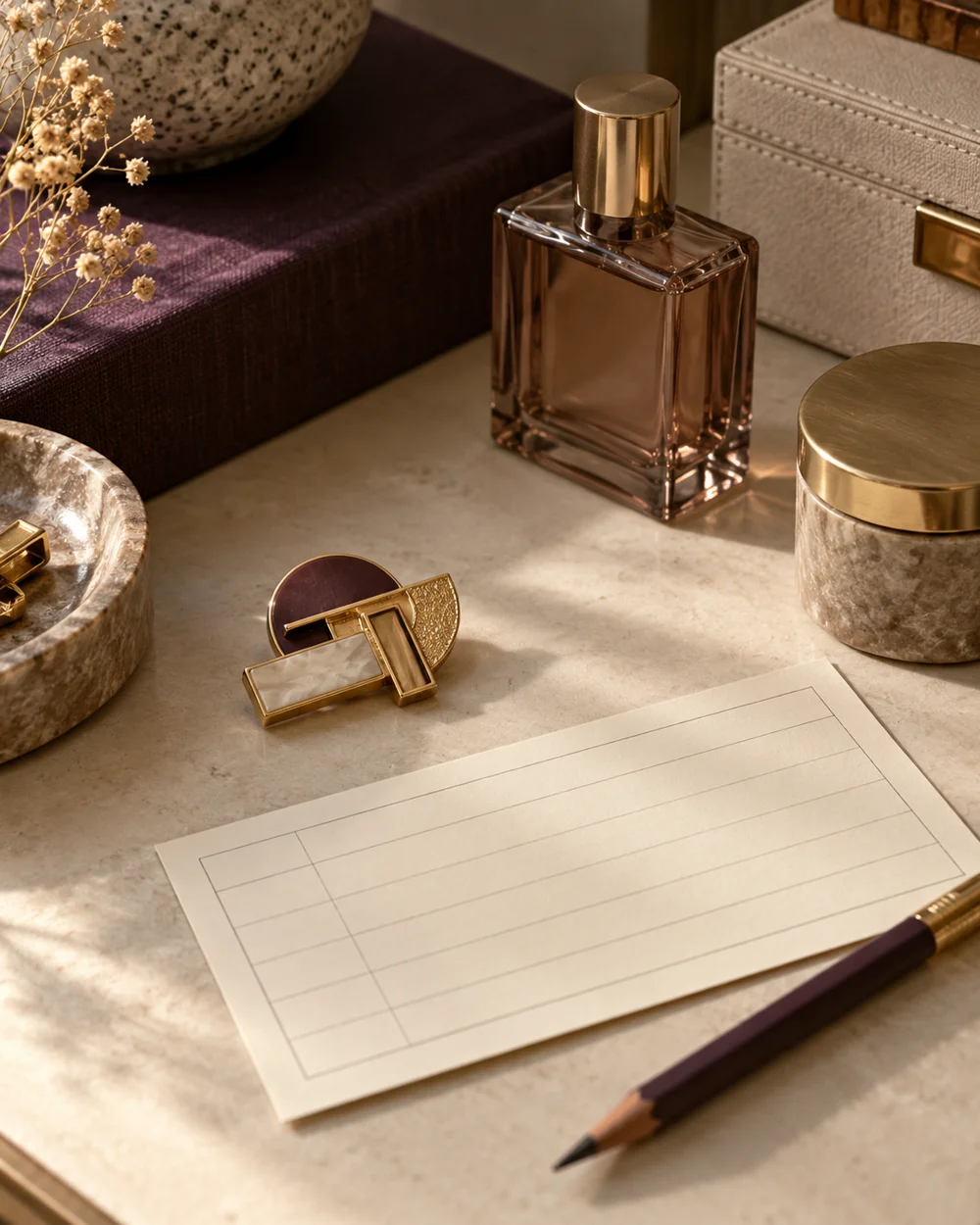
Accessory care
Create a Brooch Inventory Card
Read the note ↗
Accessory care
Make a Simple Accessory Care Record
Read the note ↗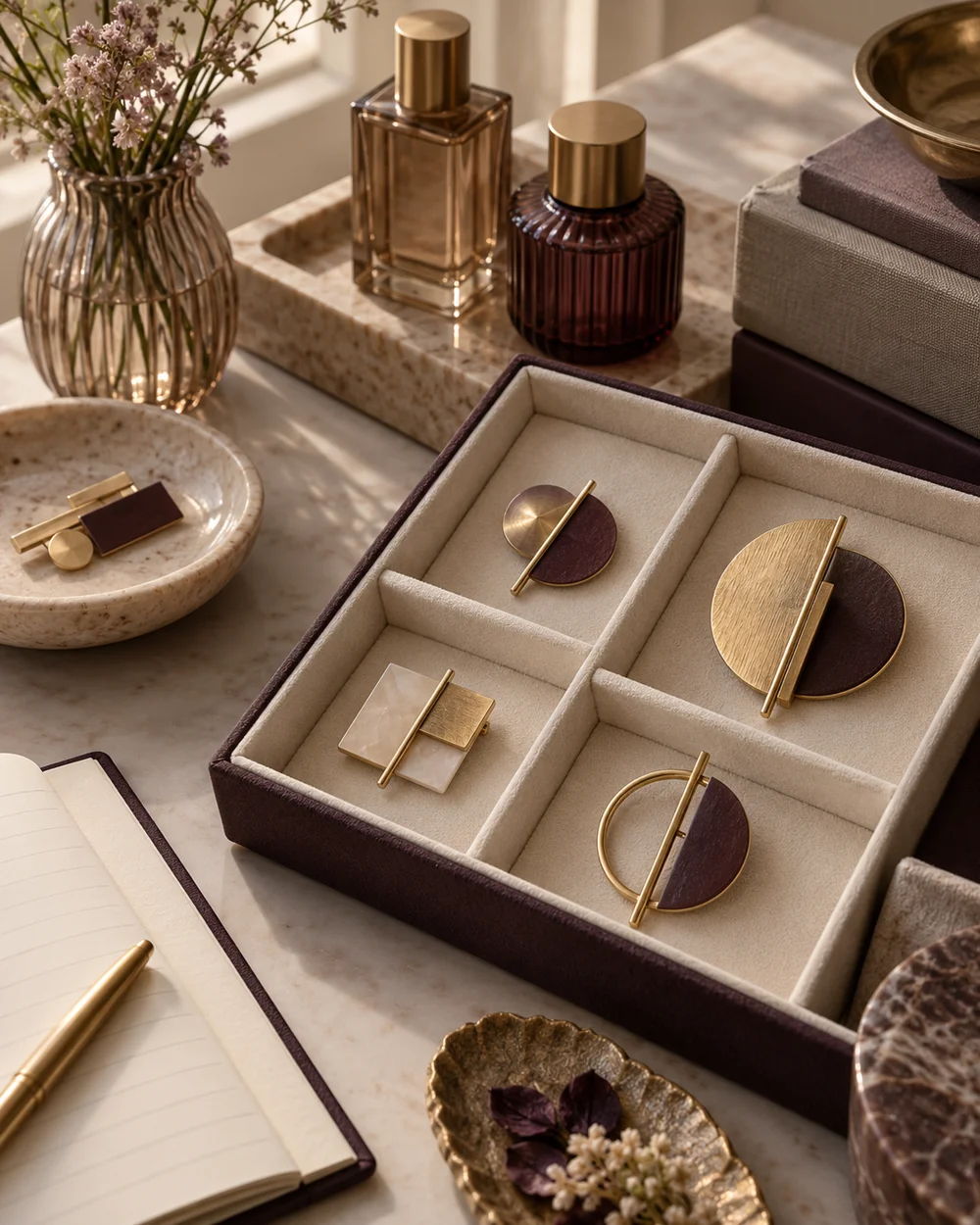
Accessory care
Sort Brooches by Size for Easier Storage
Read the note ↗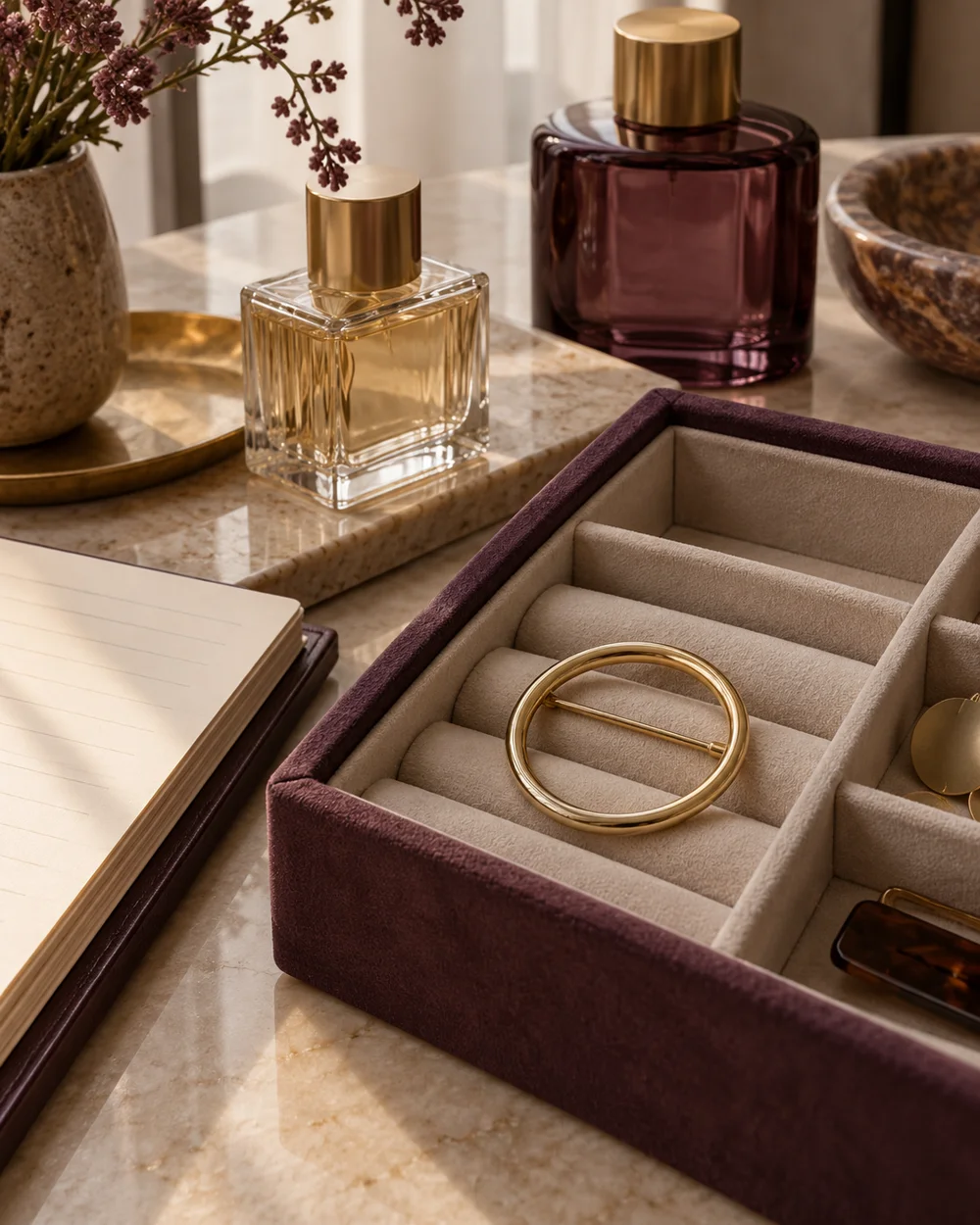
Accessory care
Choose a Storage Compartment That Fits a Brooch
Read the note ↗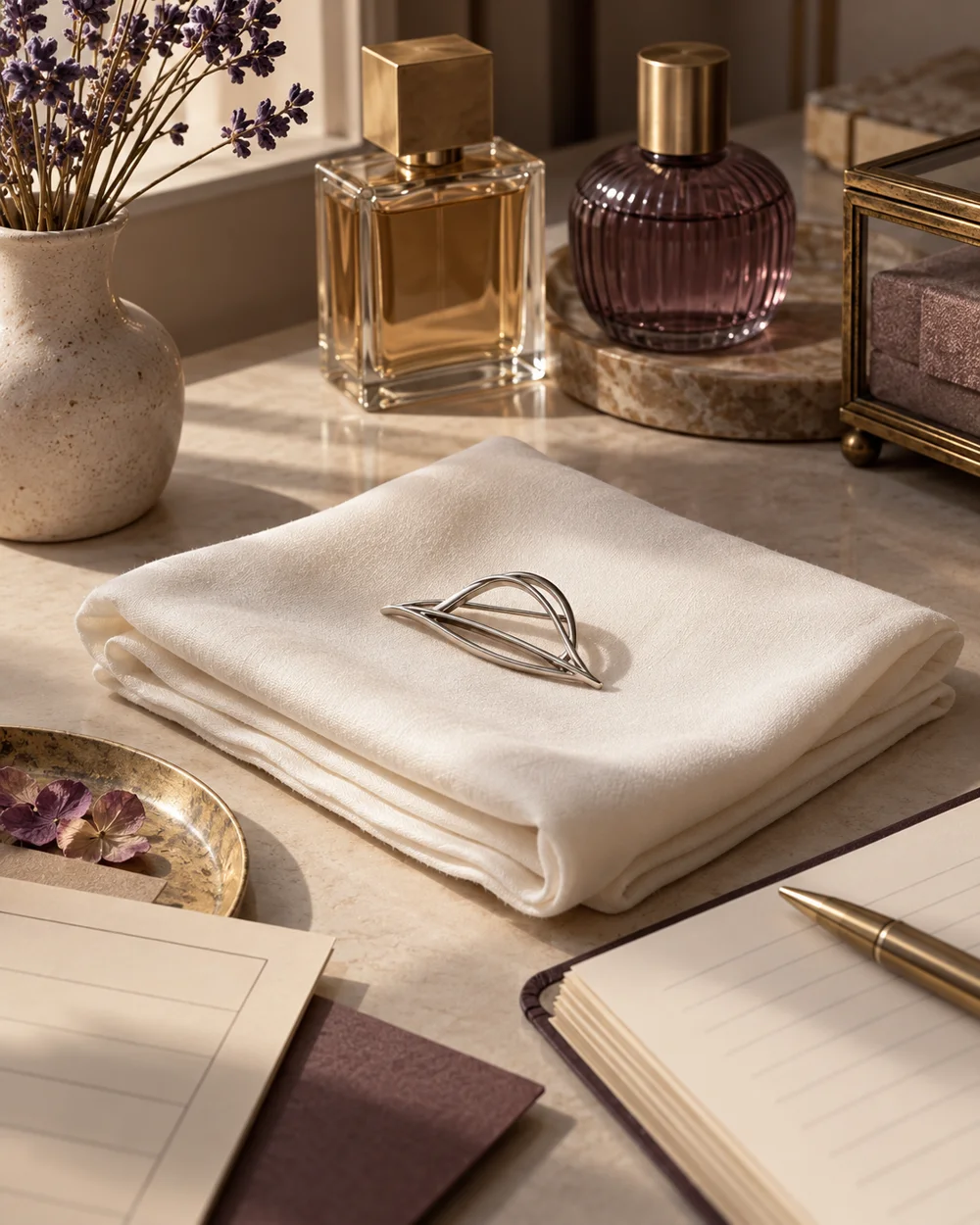
Accessory care
Set Up a Soft Surface for Accessory Checks
Read the note ↗
Accessory care
Record an Unknown Brooch Material Honestly
Read the note ↗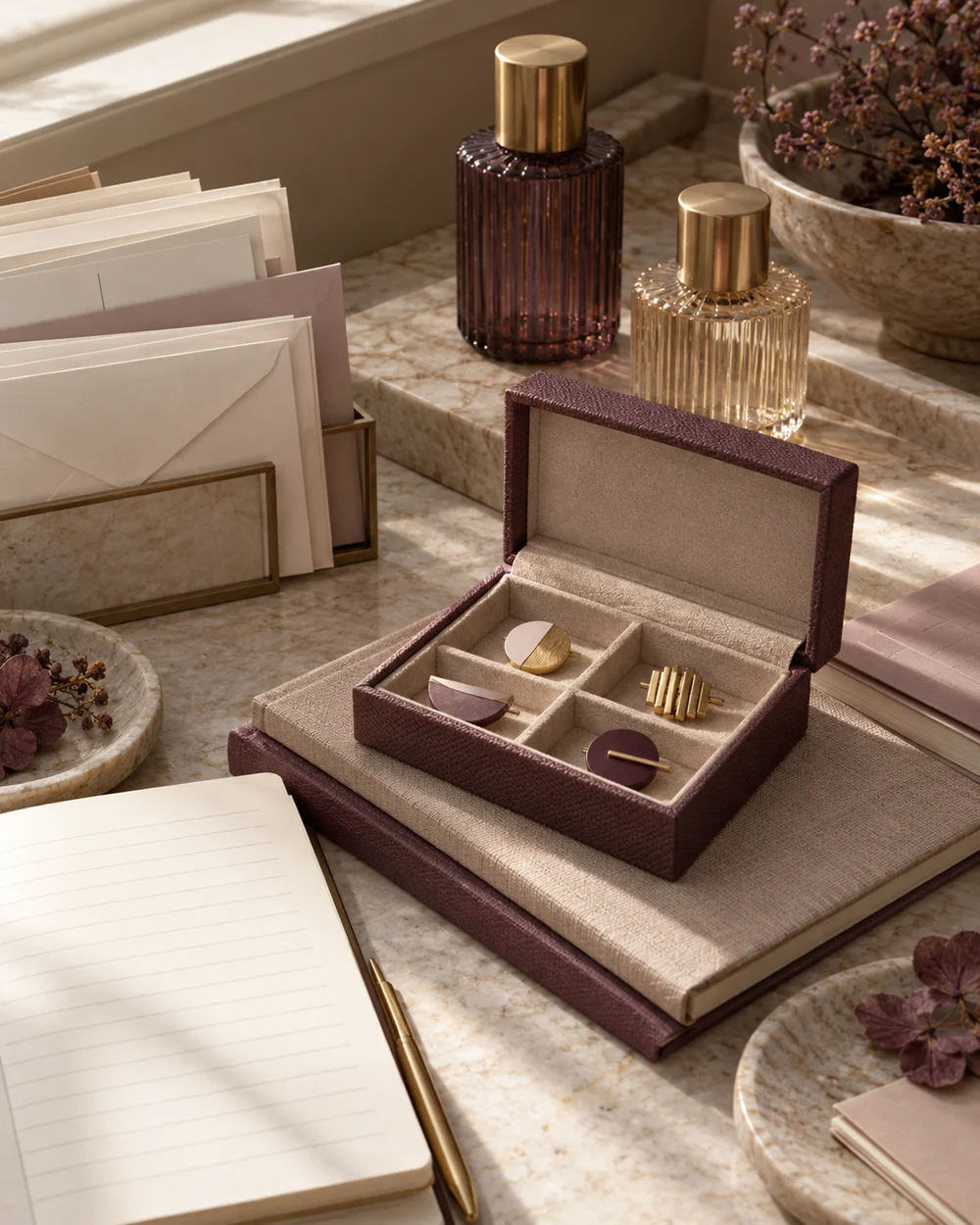
Accessory care
Keep Brooch Documentation With a Collection
Read the note ↗
Accessory care
Plan a Small Accessory Box Reset
Read the note ↗
Accessory care
Prepare a Brooch for Short-Term Packing
Read the note ↗
Accessory care
Separate a Brooch That Needs Professional Repair
Read the note ↗
Accessory care
Choose a Plain Storage Lining for Accessories
Read the note ↗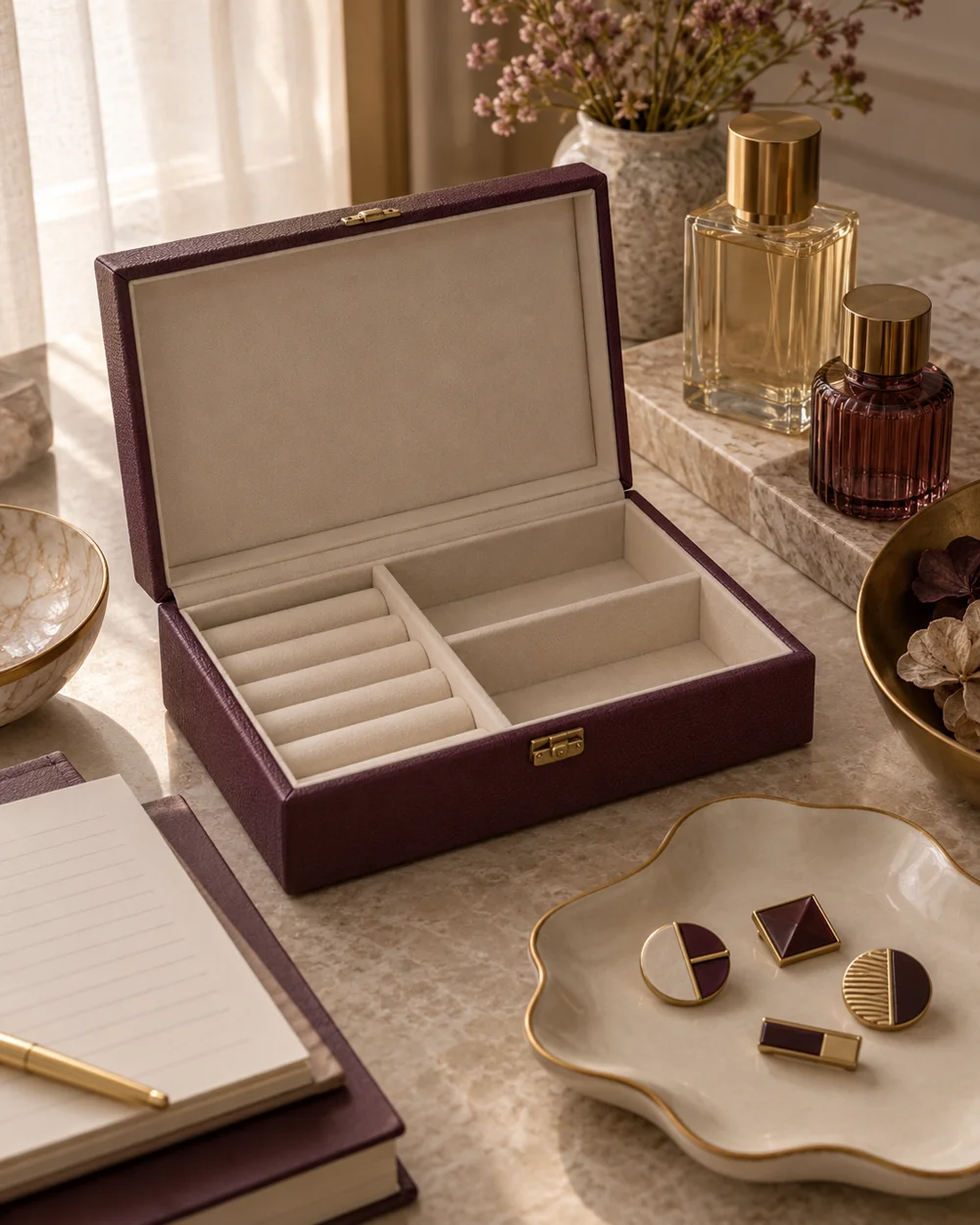
Accessory care
Check an Accessory Box Before Adding Delicate Pieces
Read the note ↗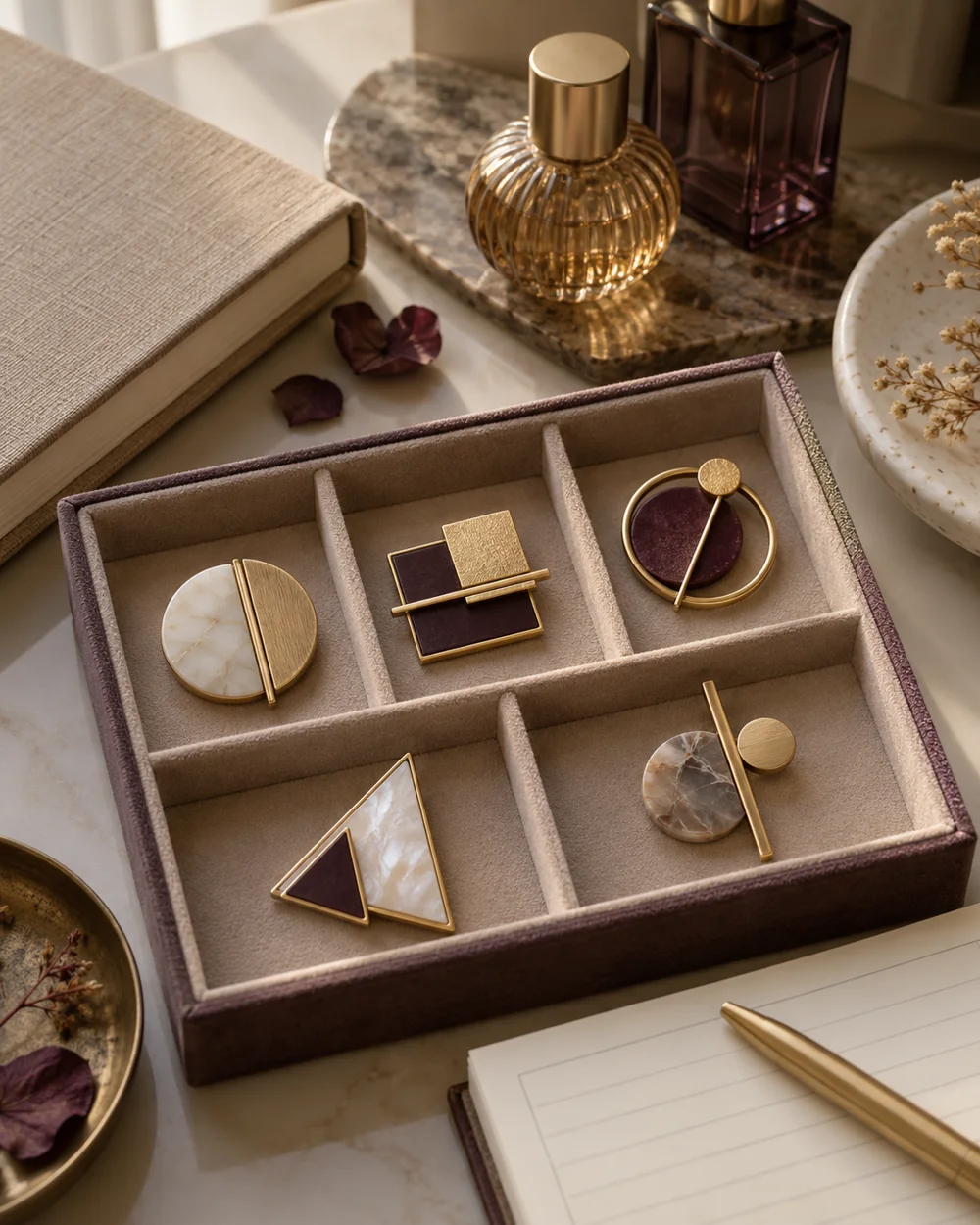
Accessory care
Organize Brooches Without Piling Them Together
Read the note ↗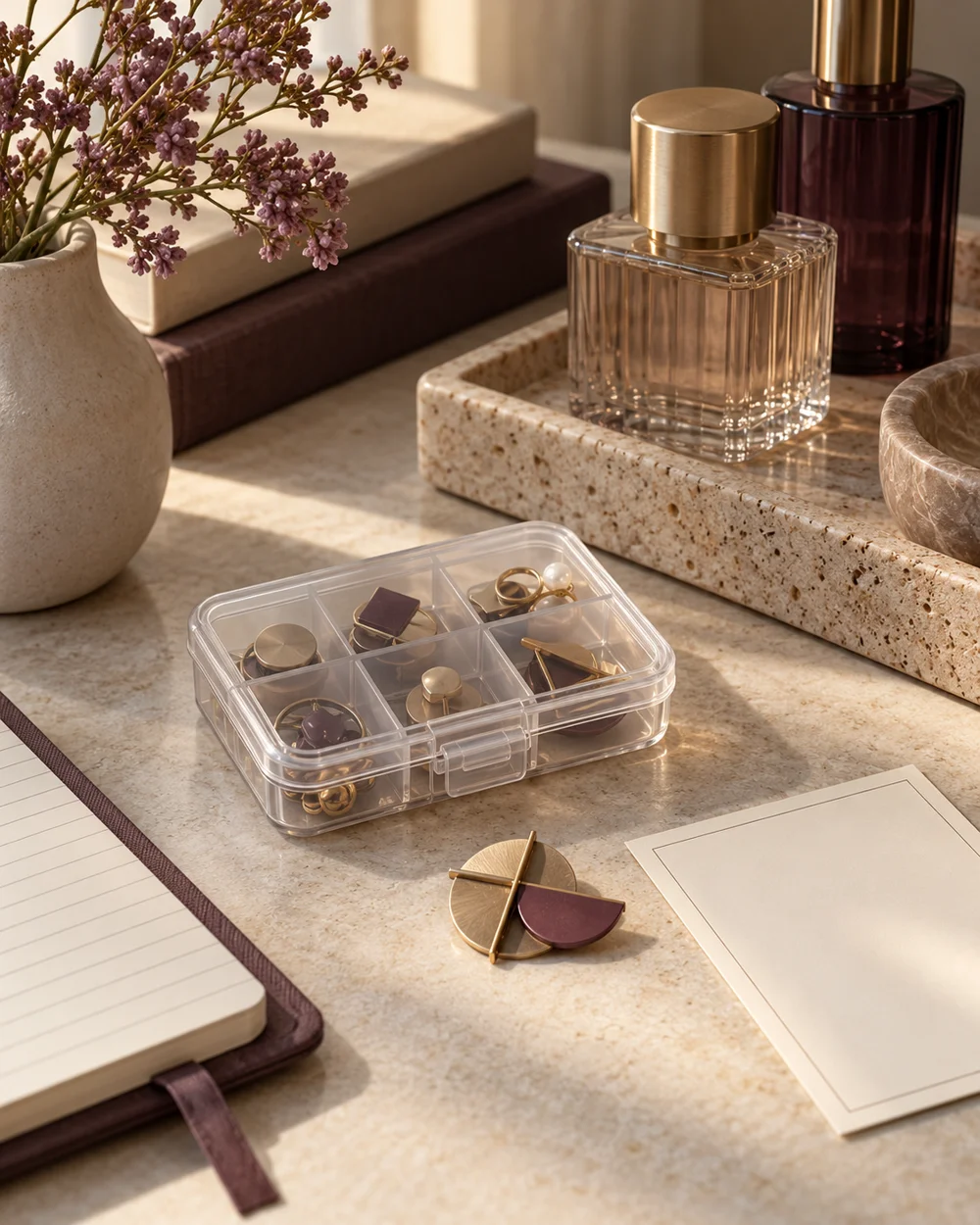
Accessory care
Keep Loose Brooch Parts Together for a Repairer
Read the note ↗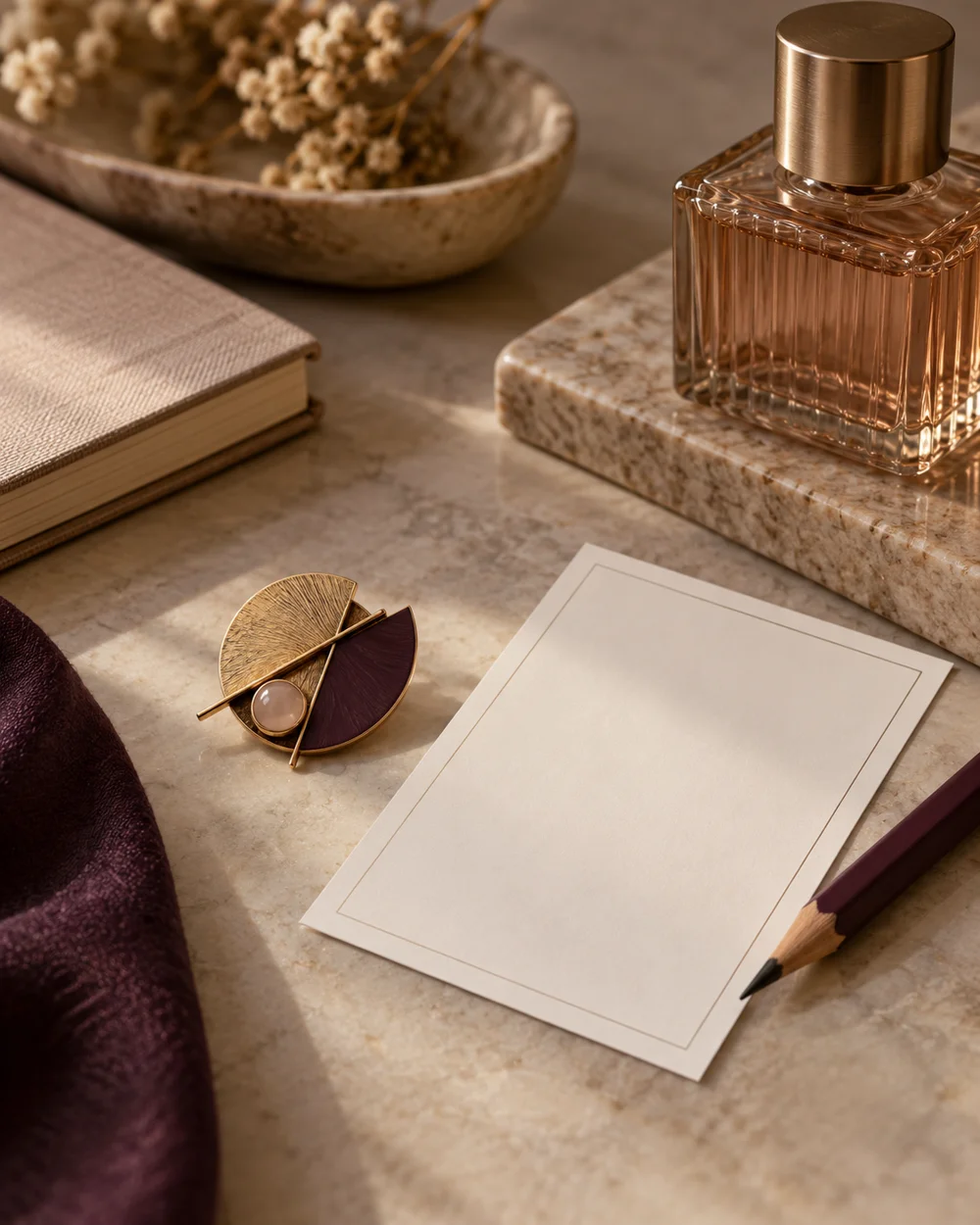
Accessory care
Create a Simple Brooch Photo Inventory
Read the note ↗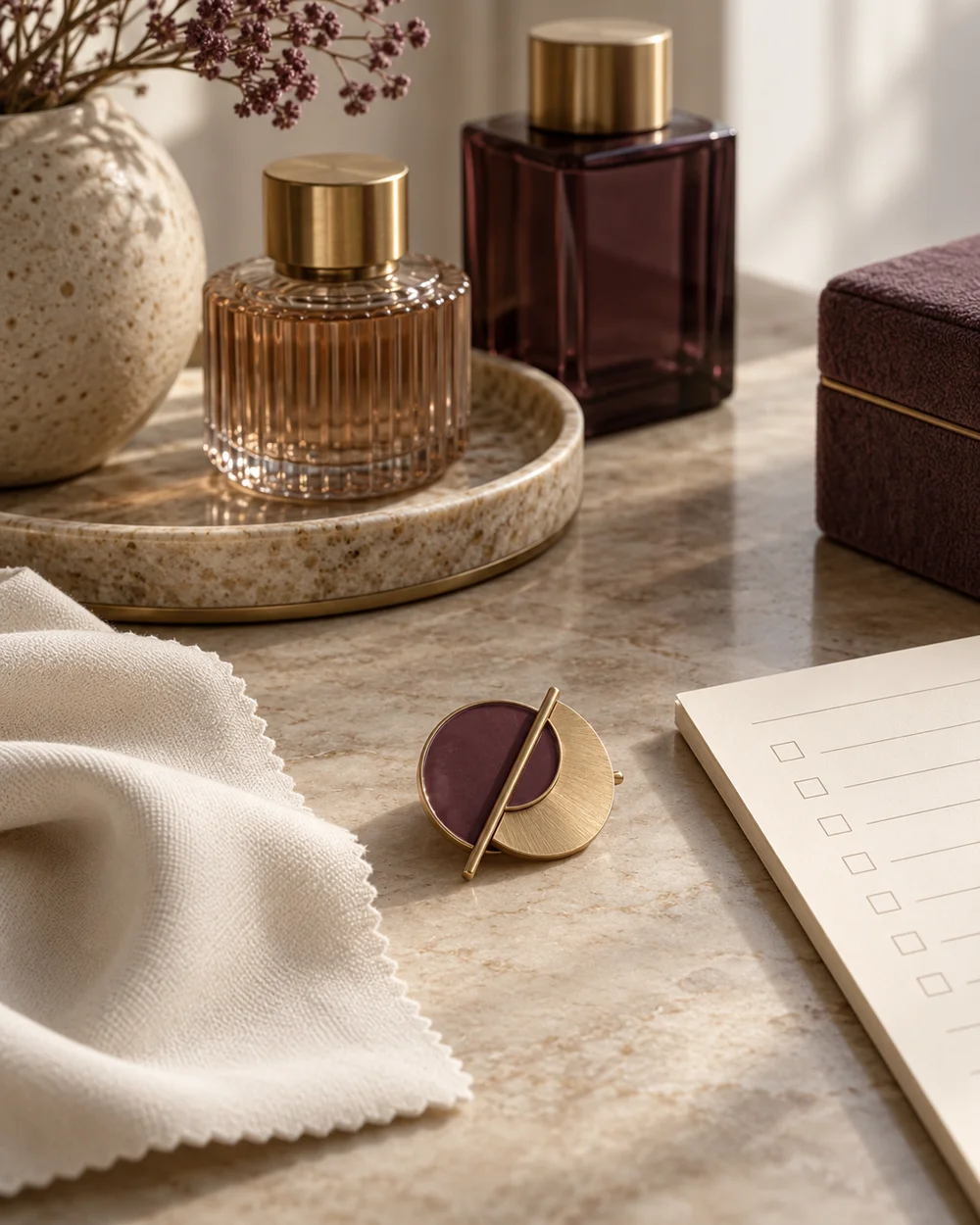
Accessory care
Plan a Maker-Specific Accessory Cleaning Checklist
Read the note ↗
Accessory care
Keep Accessories Separate From Fragrance Bottles
Read the note ↗
Accessory care
Set Up an Accessory Return Routine
Read the note ↗
Accessory care
Review a Small Brooch Collection Before Buying More
Read the note ↗
Accessory care
Keep a Delicate Brooch Away From Rough Storage Edges
Read the note ↗
Accessory care
Store a Heavy Brooch With Its Whole Shape Supported
Read the note ↗
Accessory care
Write Clear Questions for a Jewelry Repairer
Read the note ↗
Accessory care
Create a Borrowed Accessory Return Record
Read the note ↗
Accessory care
Arrange a Brooch Box for Easy Visual Checks
Read the note ↗
Accessory care