Make a Small Accessory Storage Location Index
A location index connects a collection record to the physical box that holds it. Simple codes can save searching without putting labels directly on the accessories.
Read the note ↓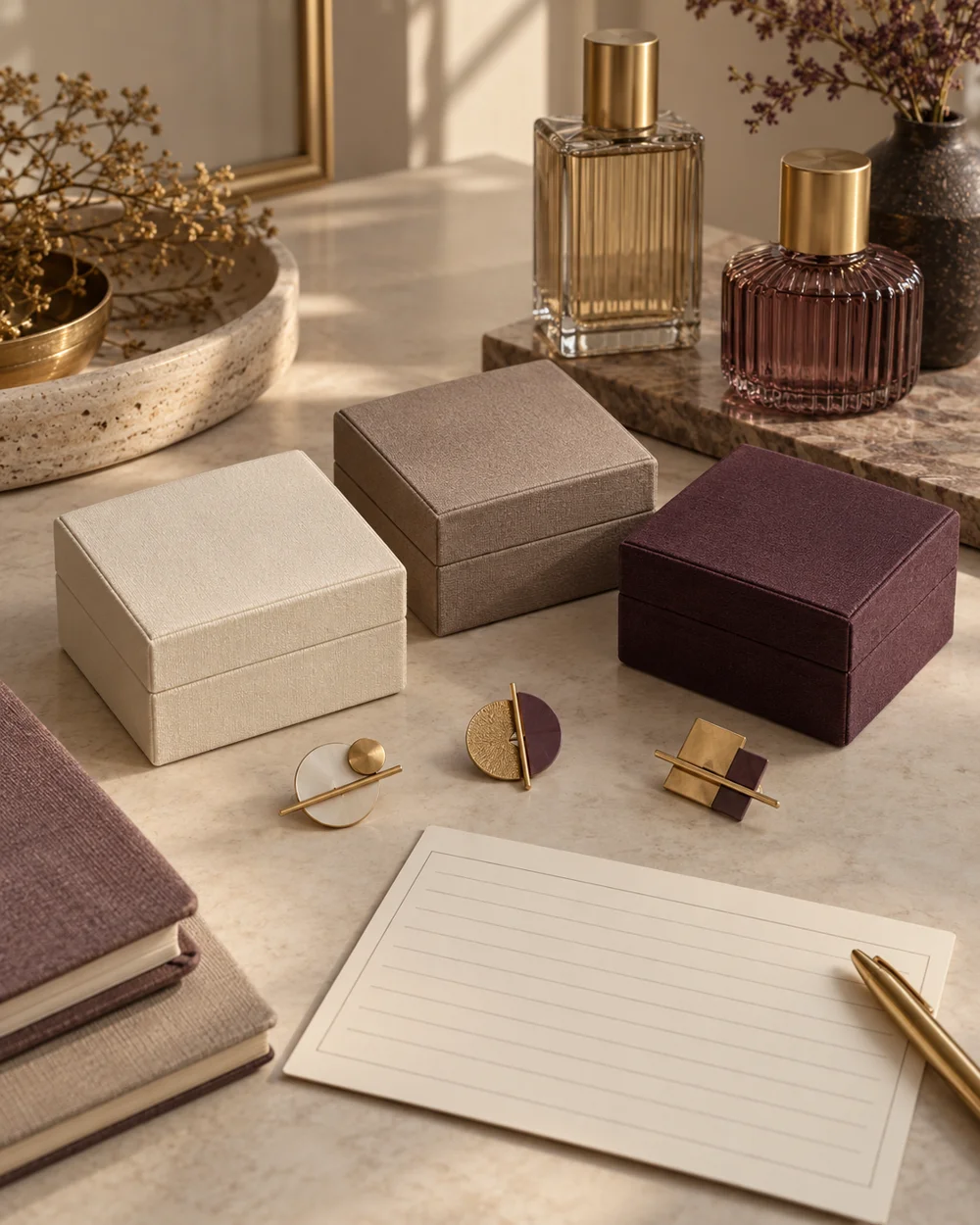
NOTE 01
Start with what you know
Choose short codes for existing boxes or compartments and place them on suitable external labels. Keep them clear of hinges, delicate finishes, and anything the box maker advises against.
NOTE 02
Set out a simple system
Write one row for each brooch with its personal reference and current location. Add a broad description or image link so similarly colored pieces are not confused.
NOTE 03
Check the practical fit
Test the index by finding a few pieces without relying on memory. Correct an unclear code immediately and keep repair or borrowed items visibly distinct from the ordinary collection.
NOTE 04
Keep the record useful
Update the index after a move and cross out old locations clearly. Store sensitive purchase information separately; the location page only needs enough detail to identify and retrieve the item.
Before you go.
What is the most useful detail to remember?
Use a small consistent code system rather than creating a complicated catalog for a few boxes.
What should I establish before starting?
Choose short codes for existing boxes or compartments and place them on suitable external labels. Keep them clear of hinges, delicate finishes, and anything the box maker advises against.
Original editorial guidance. Photographs are AI-generated concepts; they do not show verified products, material specifications, or tested results. Sources & approach.
Save to Pinterest ↗FOLLOW THE DETAIL
A note to read next.
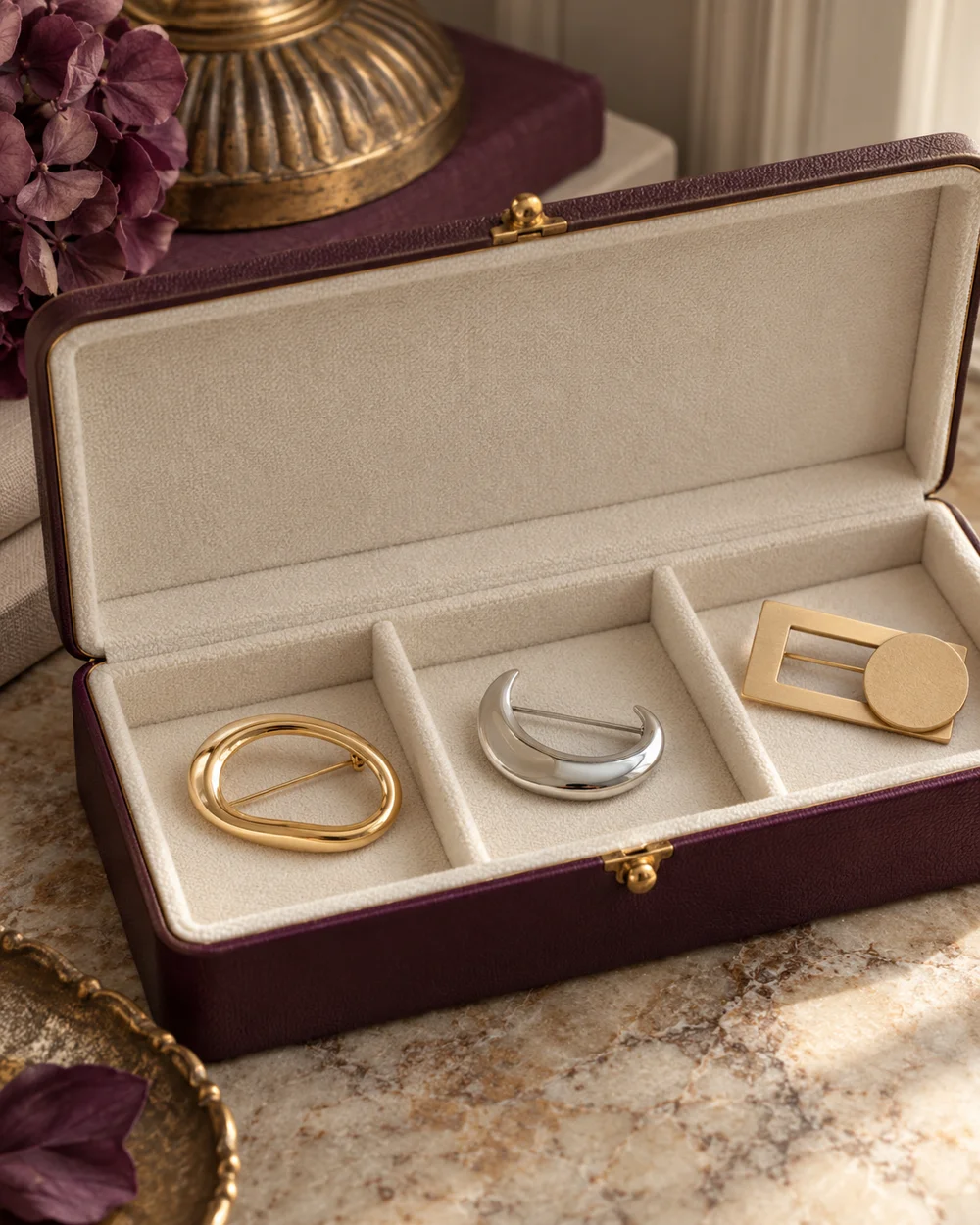
Accessory care
A place for each small piece.
Read the note ↗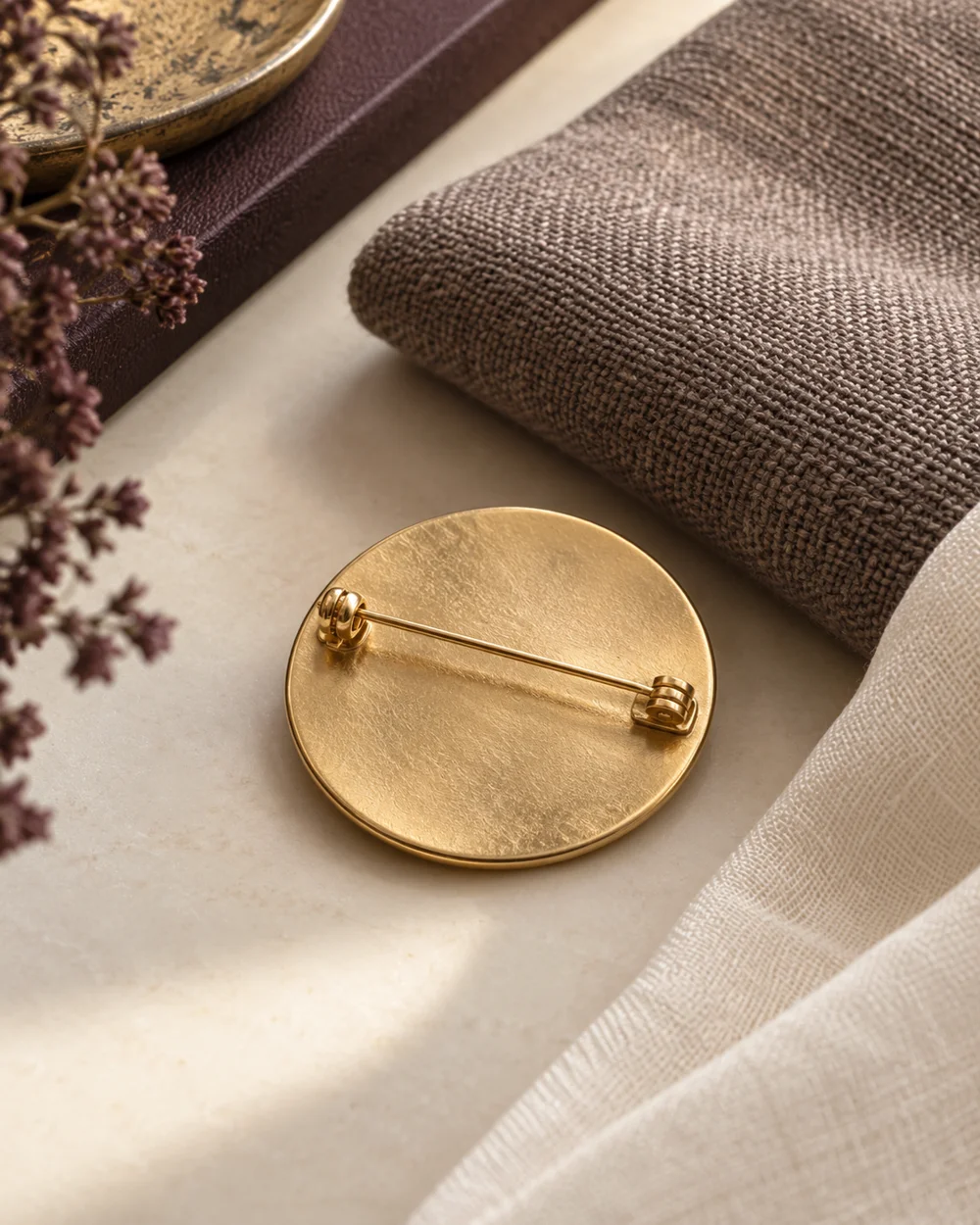
Accessory care
Before the pin meets the cloth.
Read the note ↗
Accessory care
Create a Brooch Inventory Card
Read the note ↗
Accessory care
Make a Simple Accessory Care Record
Read the note ↗
Accessory care
Sort Brooches by Size for Easier Storage
Read the note ↗
Accessory care
Choose a Storage Compartment That Fits a Brooch
Read the note ↗
Accessory care
Set Up a Soft Surface for Accessory Checks
Read the note ↗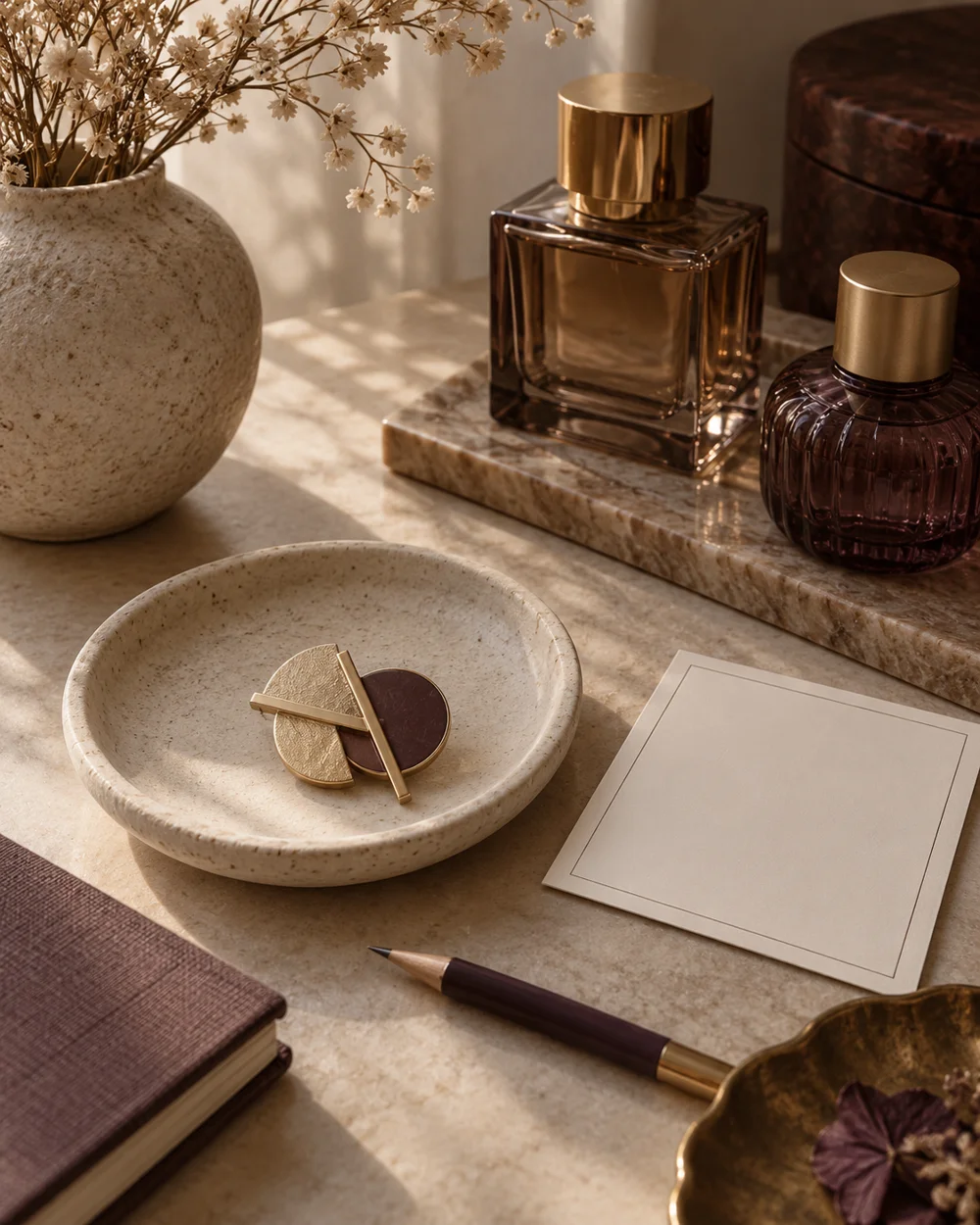
Accessory care
Record an Unknown Brooch Material Honestly
Read the note ↗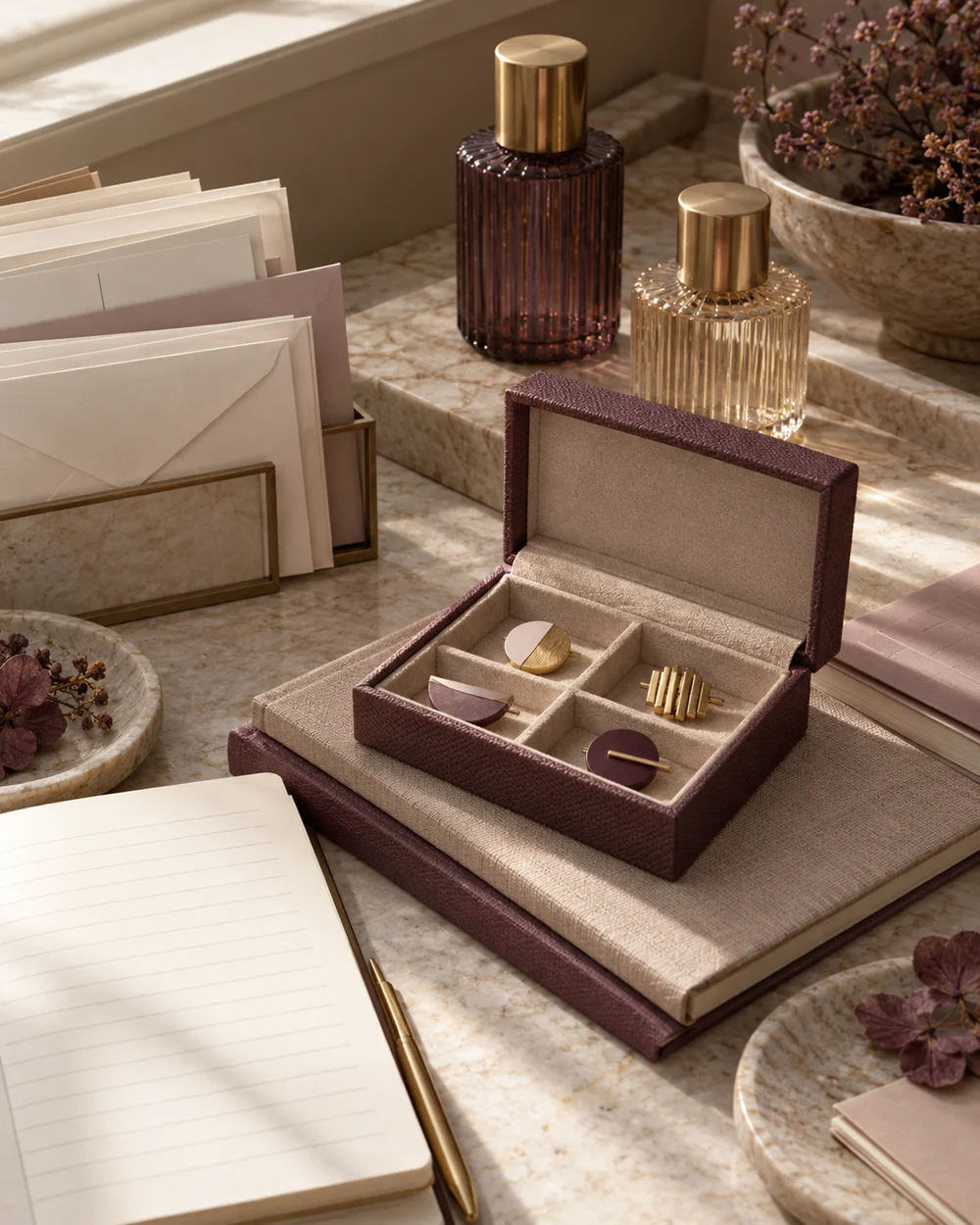
Accessory care
Keep Brooch Documentation With a Collection
Read the note ↗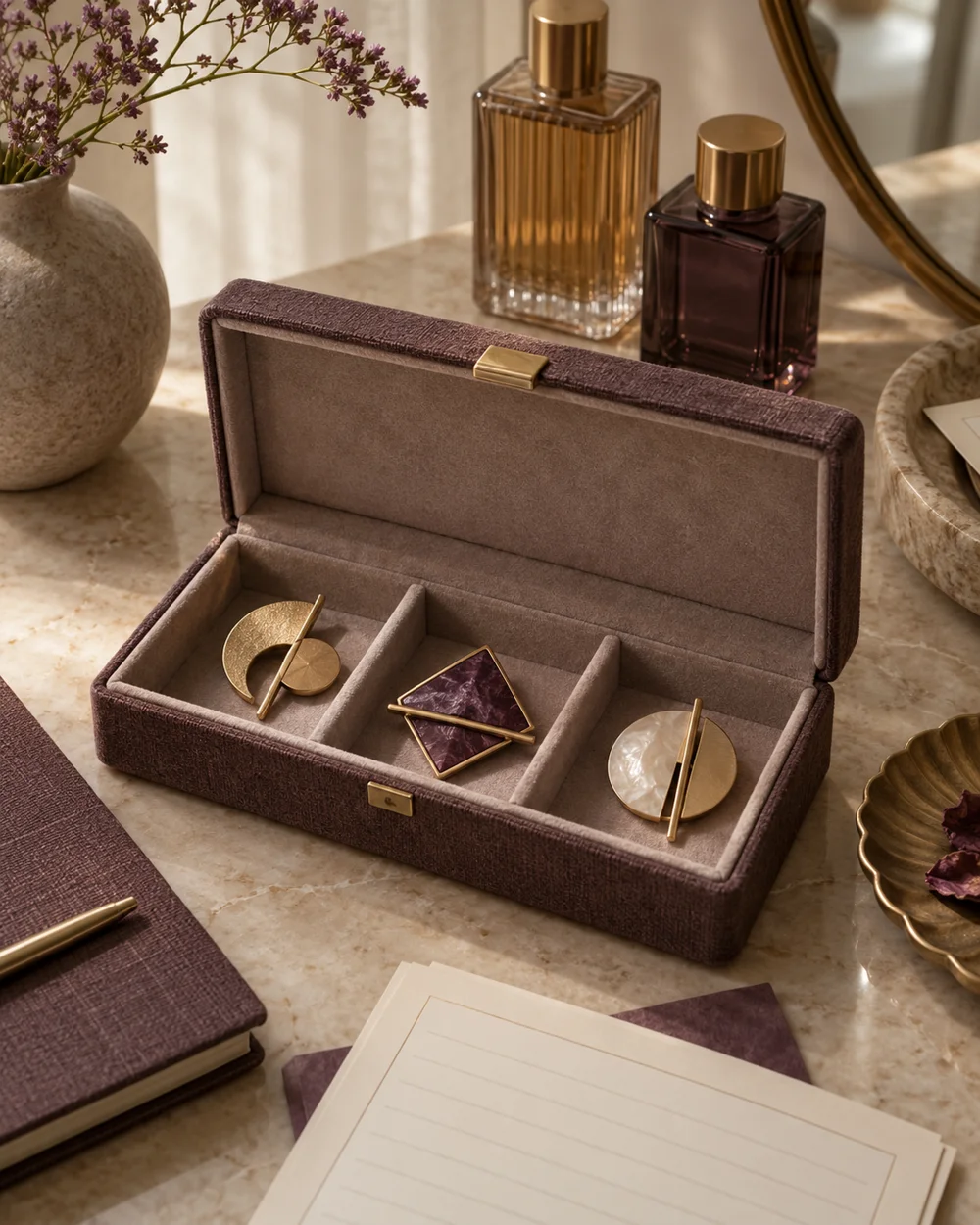
Accessory care
Plan a Small Accessory Box Reset
Read the note ↗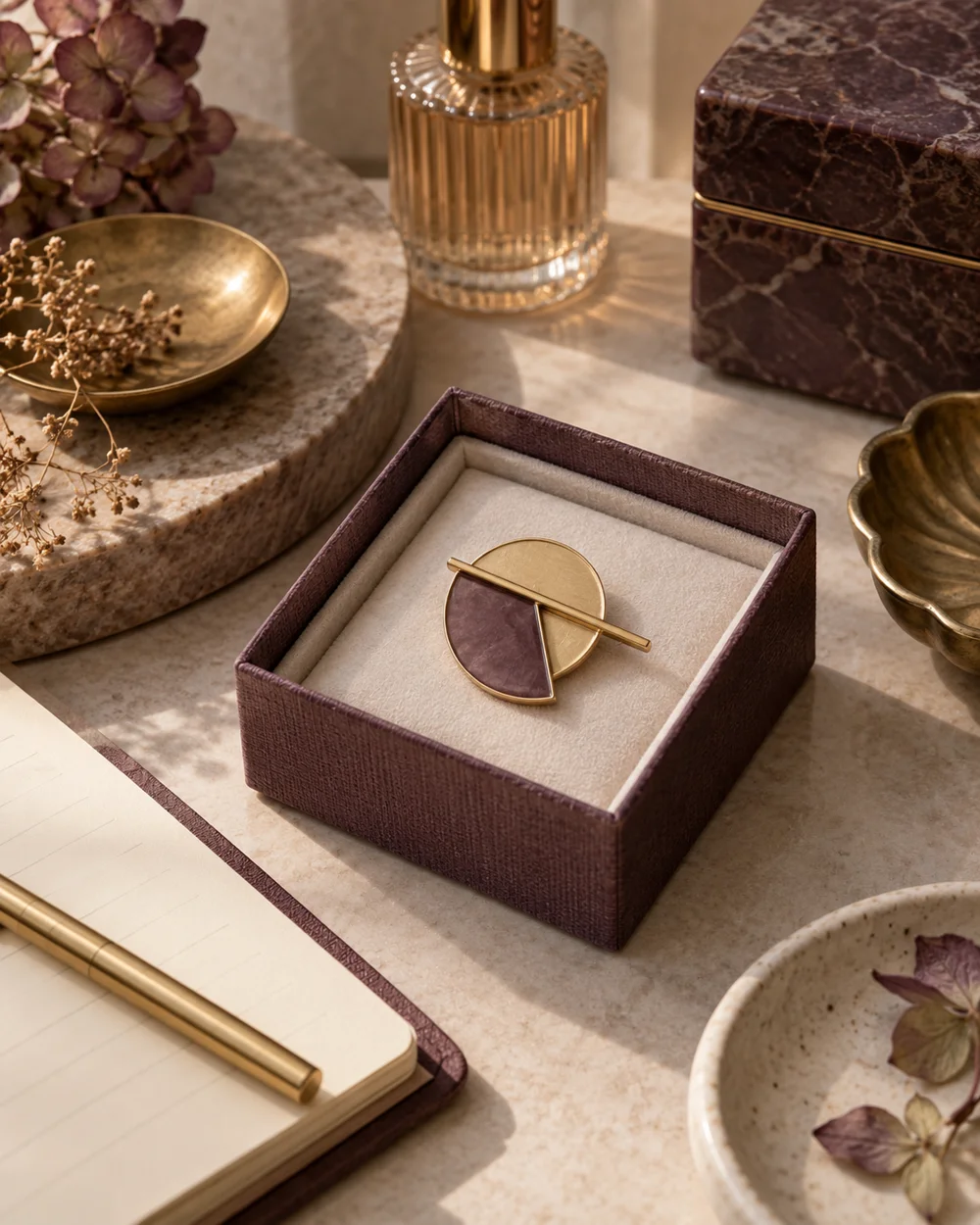
Accessory care
Prepare a Brooch for Short-Term Packing
Read the note ↗
Accessory care
Separate a Brooch That Needs Professional Repair
Read the note ↗
Accessory care
Choose a Plain Storage Lining for Accessories
Read the note ↗
Accessory care
Check an Accessory Box Before Adding Delicate Pieces
Read the note ↗
Accessory care
Organize Brooches Without Piling Them Together
Read the note ↗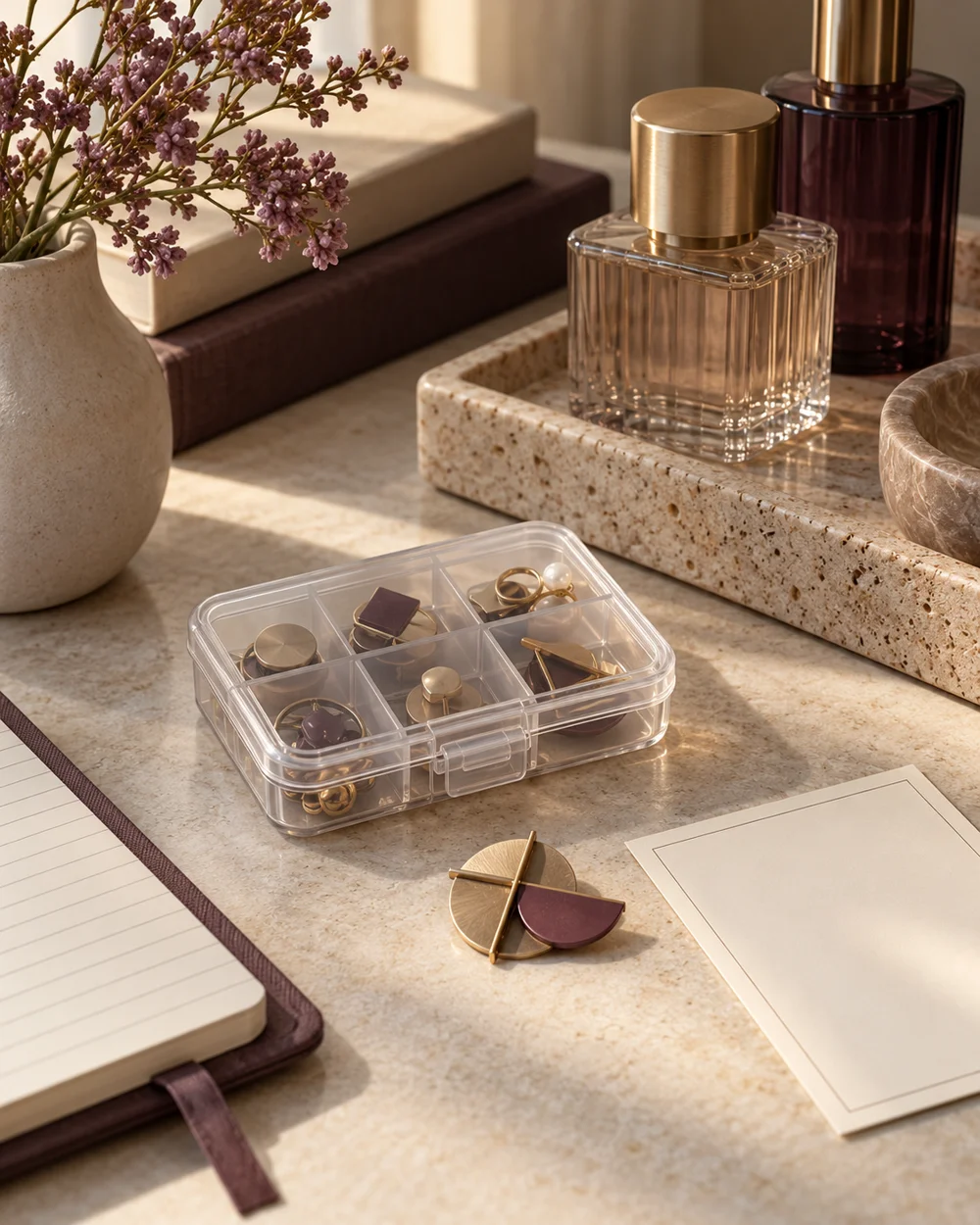
Accessory care
Keep Loose Brooch Parts Together for a Repairer
Read the note ↗
Accessory care
Create a Simple Brooch Photo Inventory
Read the note ↗
Accessory care
Plan a Maker-Specific Accessory Cleaning Checklist
Read the note ↗
Accessory care
Keep Accessories Separate From Fragrance Bottles
Read the note ↗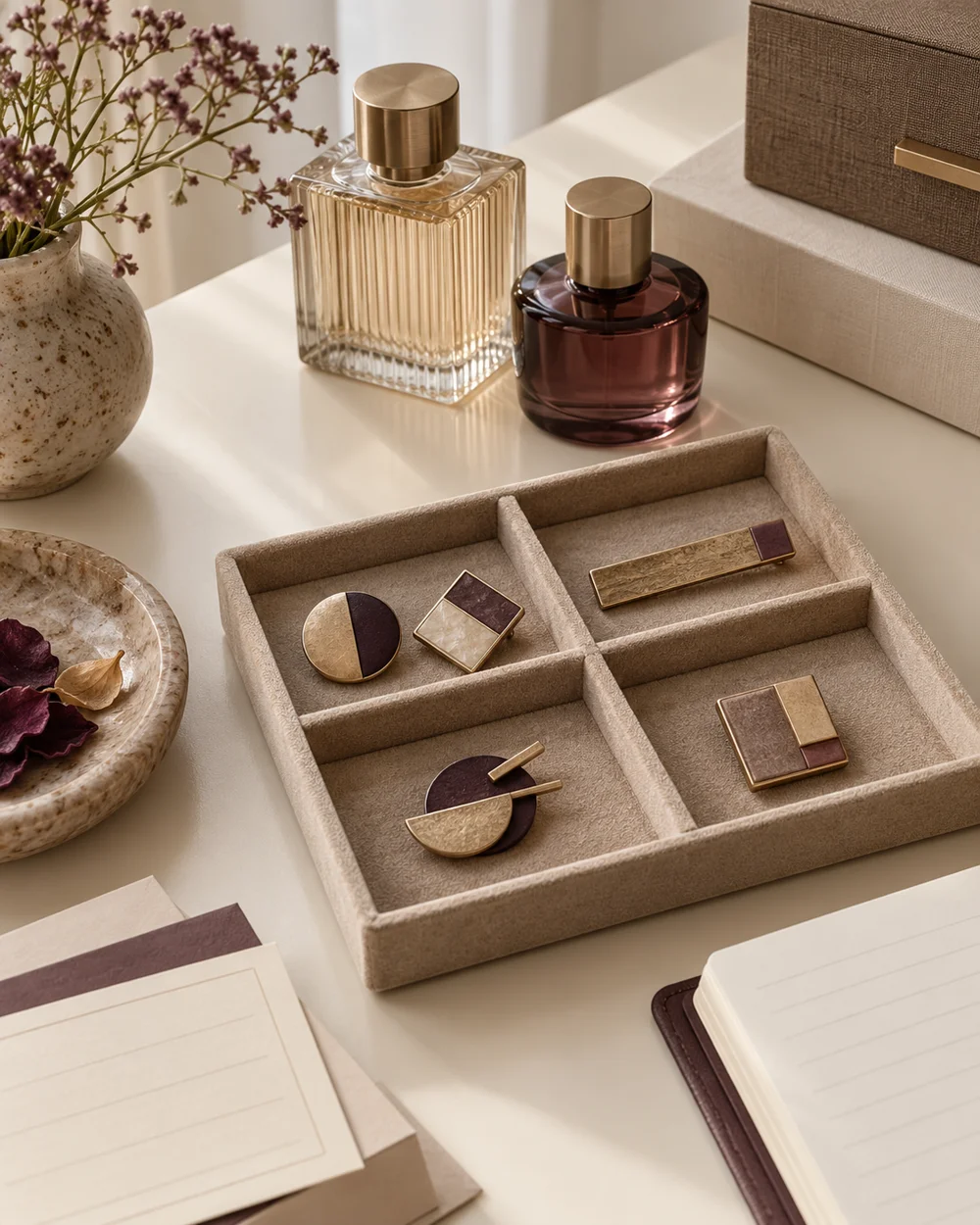
Accessory care
Set Up an Accessory Return Routine
Read the note ↗
Accessory care
Review a Small Brooch Collection Before Buying More
Read the note ↗
Accessory care
Keep a Delicate Brooch Away From Rough Storage Edges
Read the note ↗
Accessory care
Store a Heavy Brooch With Its Whole Shape Supported
Read the note ↗
Accessory care
Write Clear Questions for a Jewelry Repairer
Read the note ↗
Accessory care
Create a Borrowed Accessory Return Record
Read the note ↗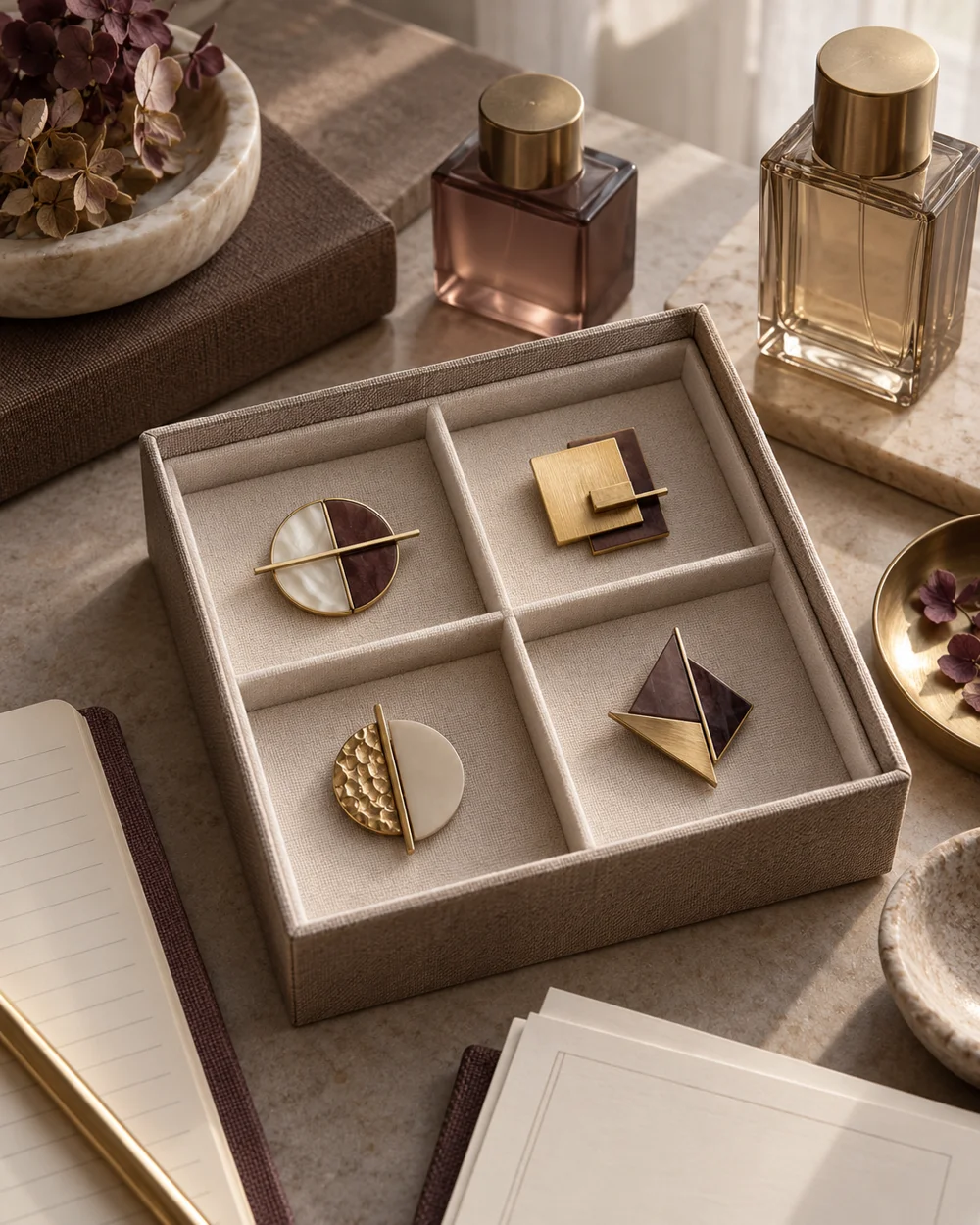
Accessory care