Record an Unknown Brooch Material Honestly
An unknown material is useful information when it is recorded honestly. A gold color, a pearl-like accent, or a familiar-looking stone does not identify composition from appearance alone.
Read the note ↓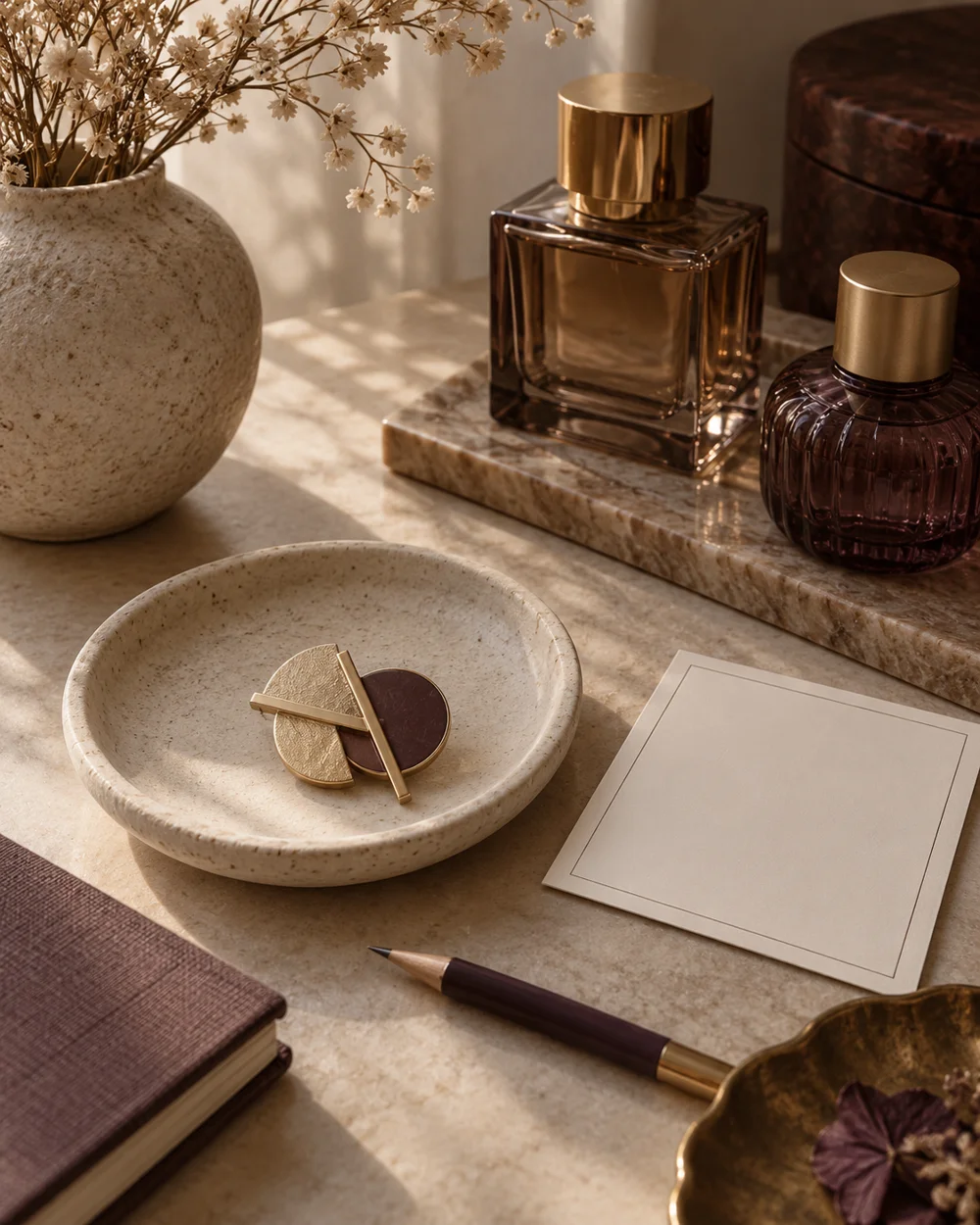
NOTE 01
Start with what you know
Describe the visible shape and color in plain words and add a reference photograph. Keep the clasp closed while handling the piece on a soft surface. Avoid scratch, acid, or other improvised identification tests.
NOTE 02
Set out a simple system
Look for reliable original packaging, maker information, or a purchase record. Copy the exact relevant description with its source instead of silently upgrading gold-tone to gold or an accent to a named gemstone.
NOTE 03
Check the practical fit
Write material unverified beside any detail still uncertain. If the piece has financial or sentimental importance, seek an appropriate professional assessment rather than relying on image comparisons.
NOTE 04
Keep the record useful
Use the uncertainty to guide care decisions: do not apply a generic treatment to a material you cannot establish. Update the record only when you receive reliable new information.
Before you go.
What is the most useful detail to remember?
A clear unknown is more useful than a confident guess that later controls the wrong care method.
What should I establish before starting?
Describe the visible shape and color in plain words and add a reference photograph. Keep the clasp closed while handling the piece on a soft surface. Avoid scratch, acid, or other improvised identification tests.
Original editorial guidance. Photographs are AI-generated concepts; they do not show verified products, material specifications, or tested results. Sources & approach.
Save to Pinterest ↗FOLLOW THE DETAIL
A note to read next.
Accessory care
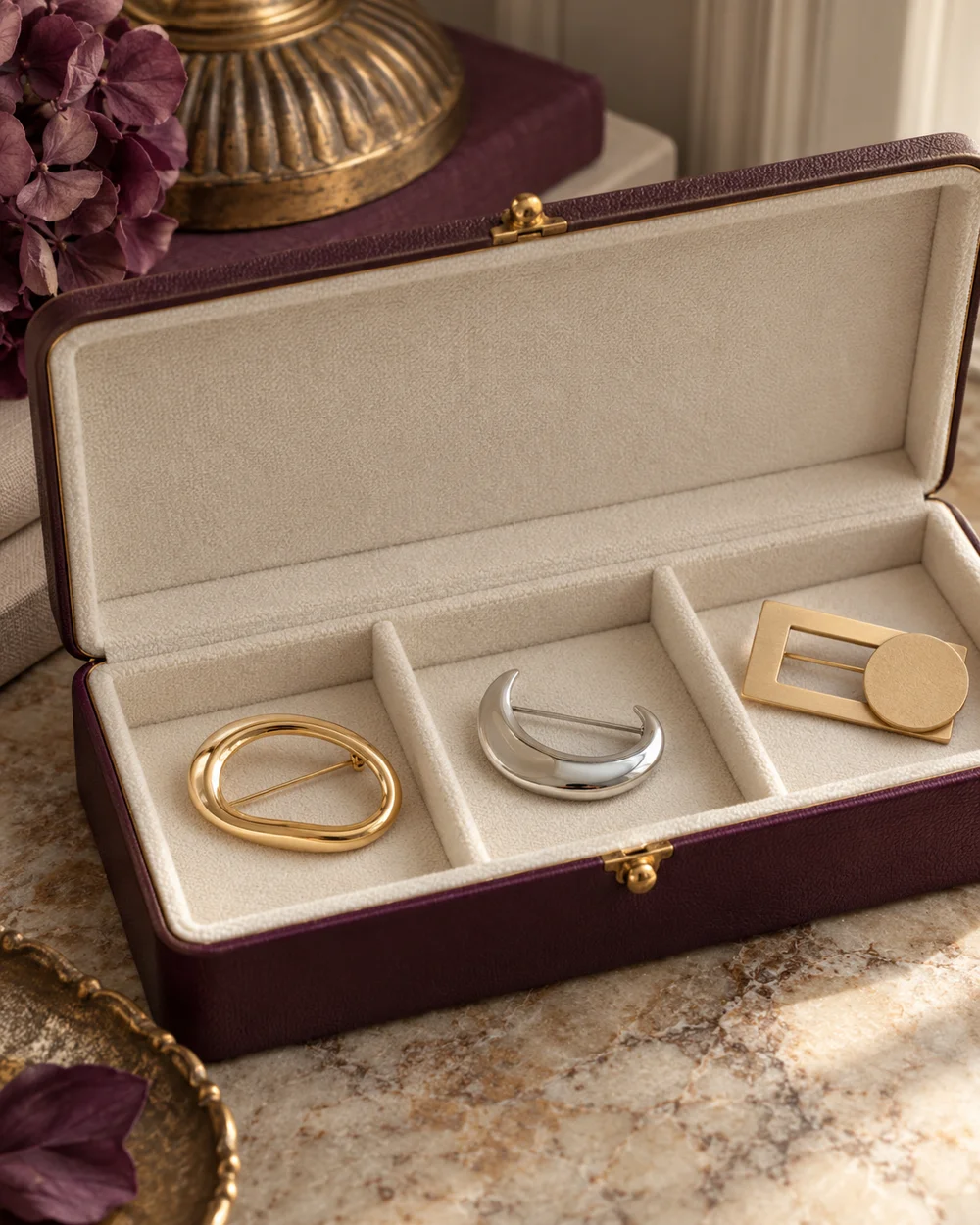
A place for each small piece.
Read the note ↗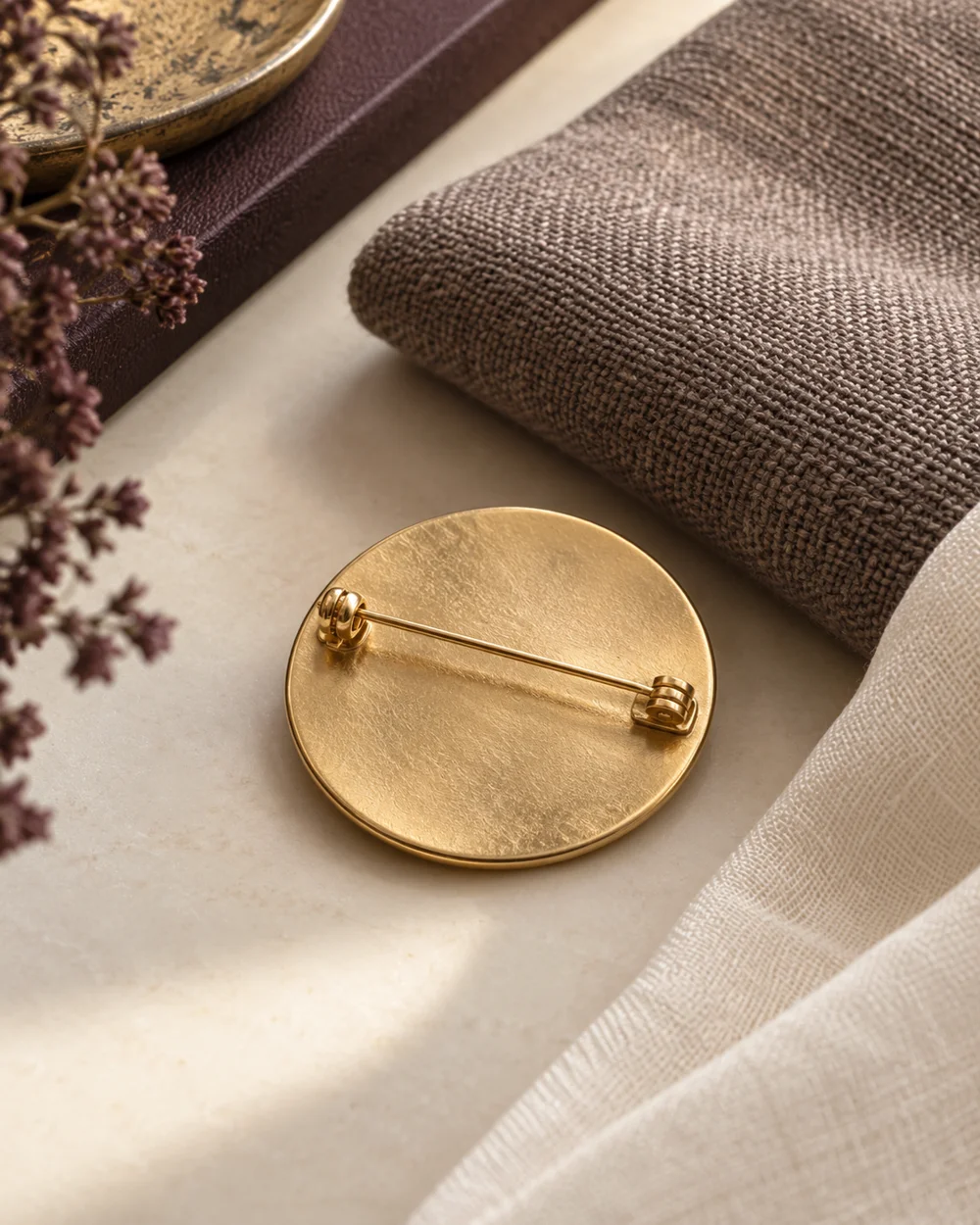
Accessory care
Before the pin meets the cloth.
Read the note ↗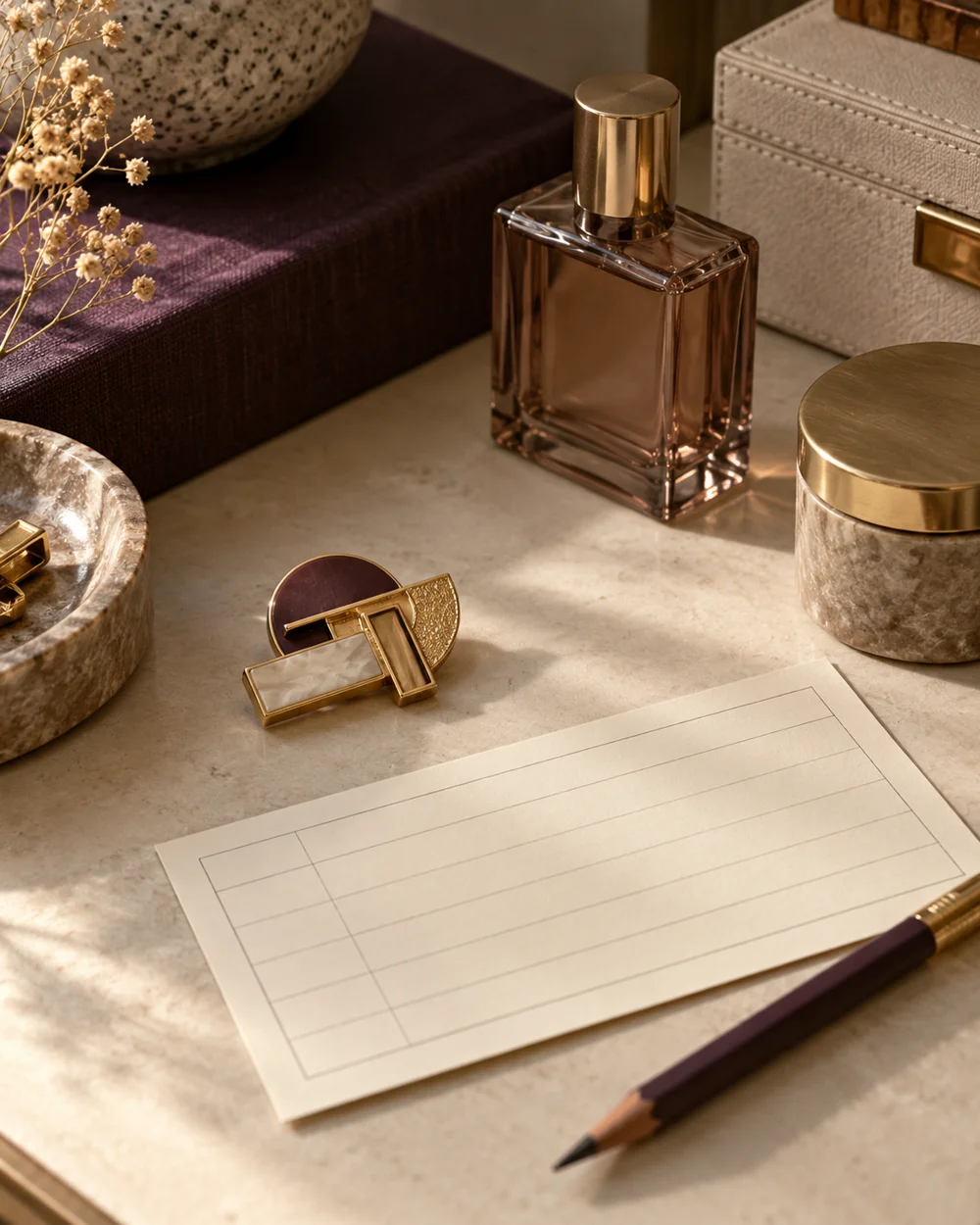
Accessory care
Create a Brooch Inventory Card
Read the note ↗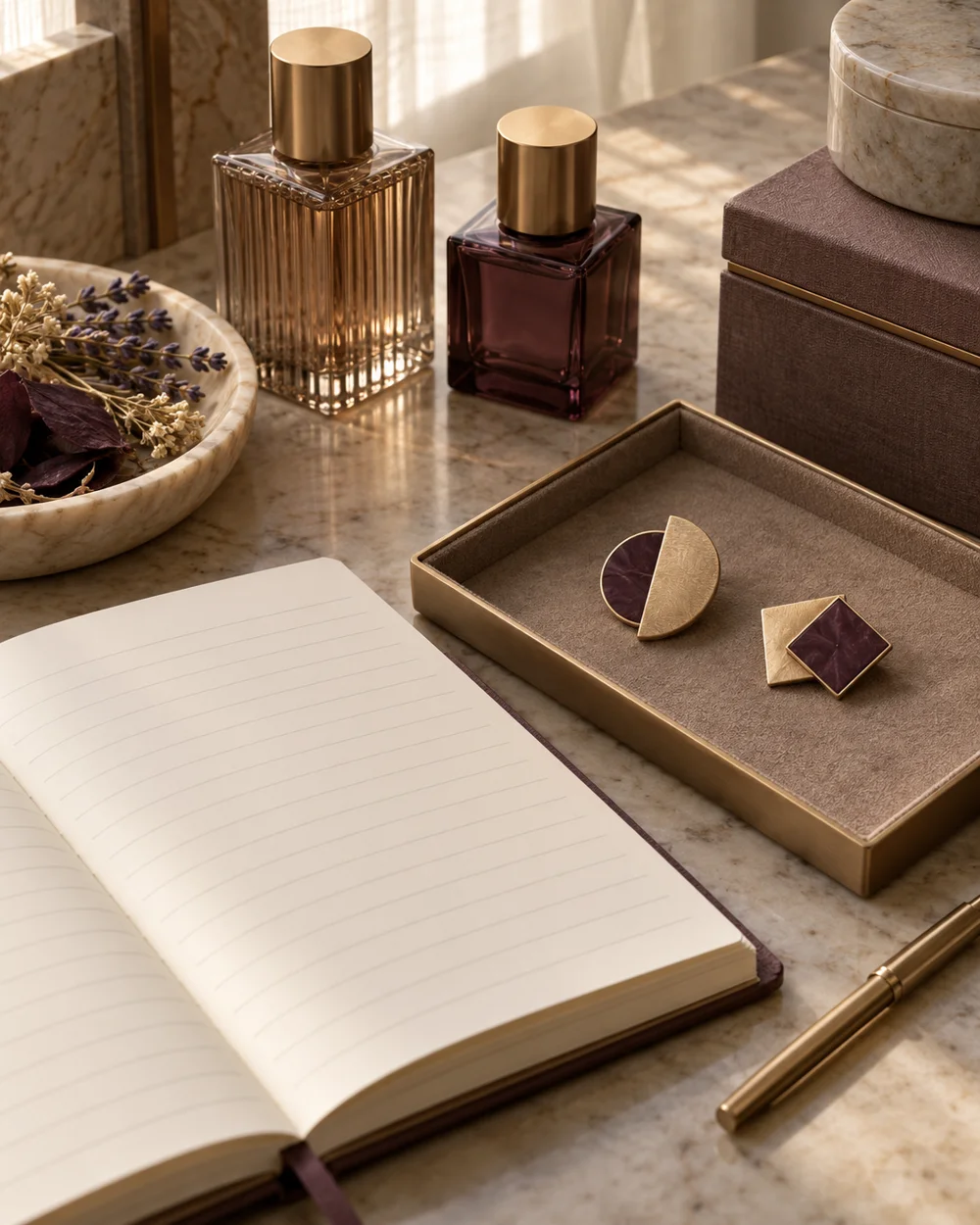
Accessory care
Make a Simple Accessory Care Record
Read the note ↗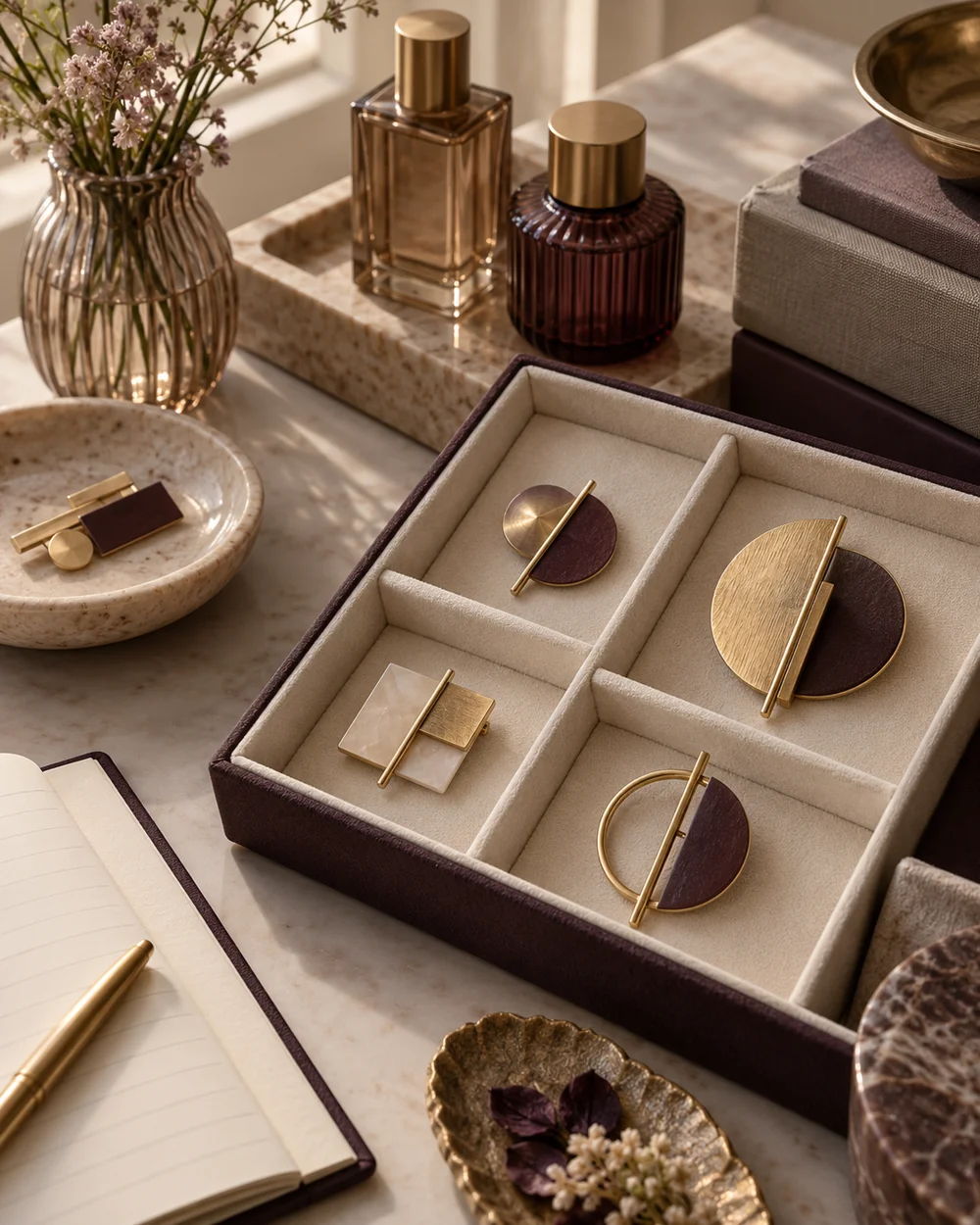
Accessory care
Sort Brooches by Size for Easier Storage
Read the note ↗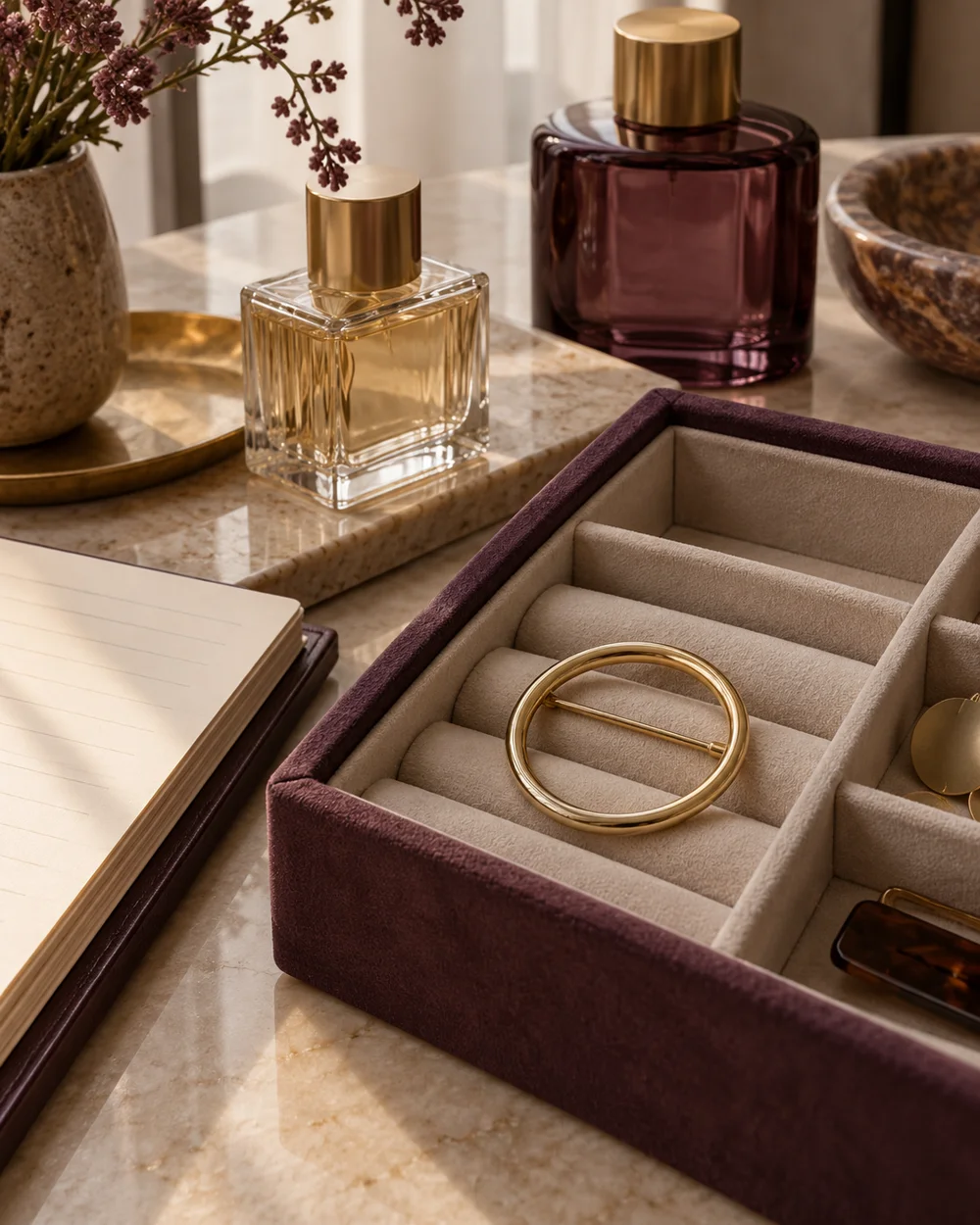
Accessory care
Choose a Storage Compartment That Fits a Brooch
Read the note ↗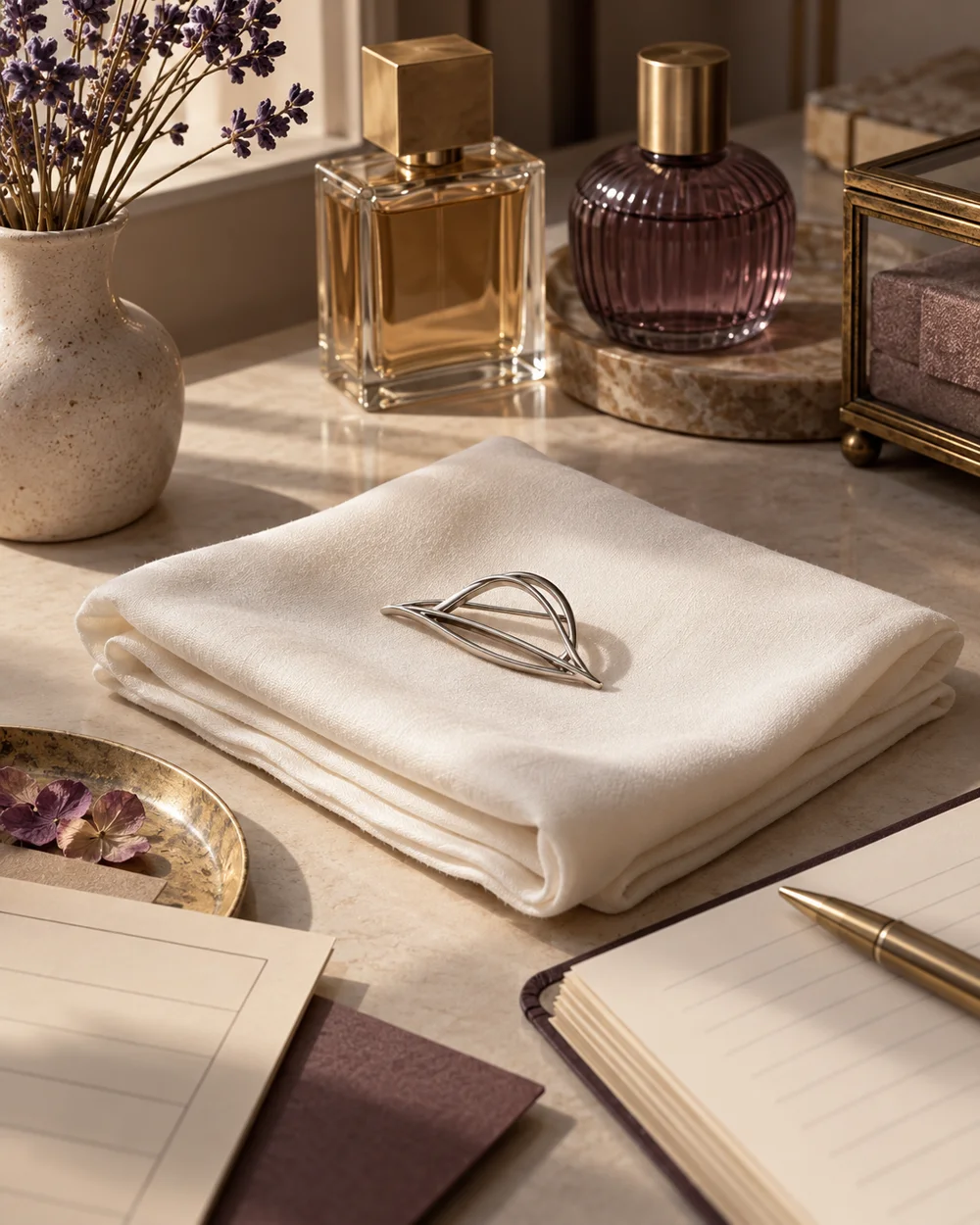
Accessory care
Set Up a Soft Surface for Accessory Checks
Read the note ↗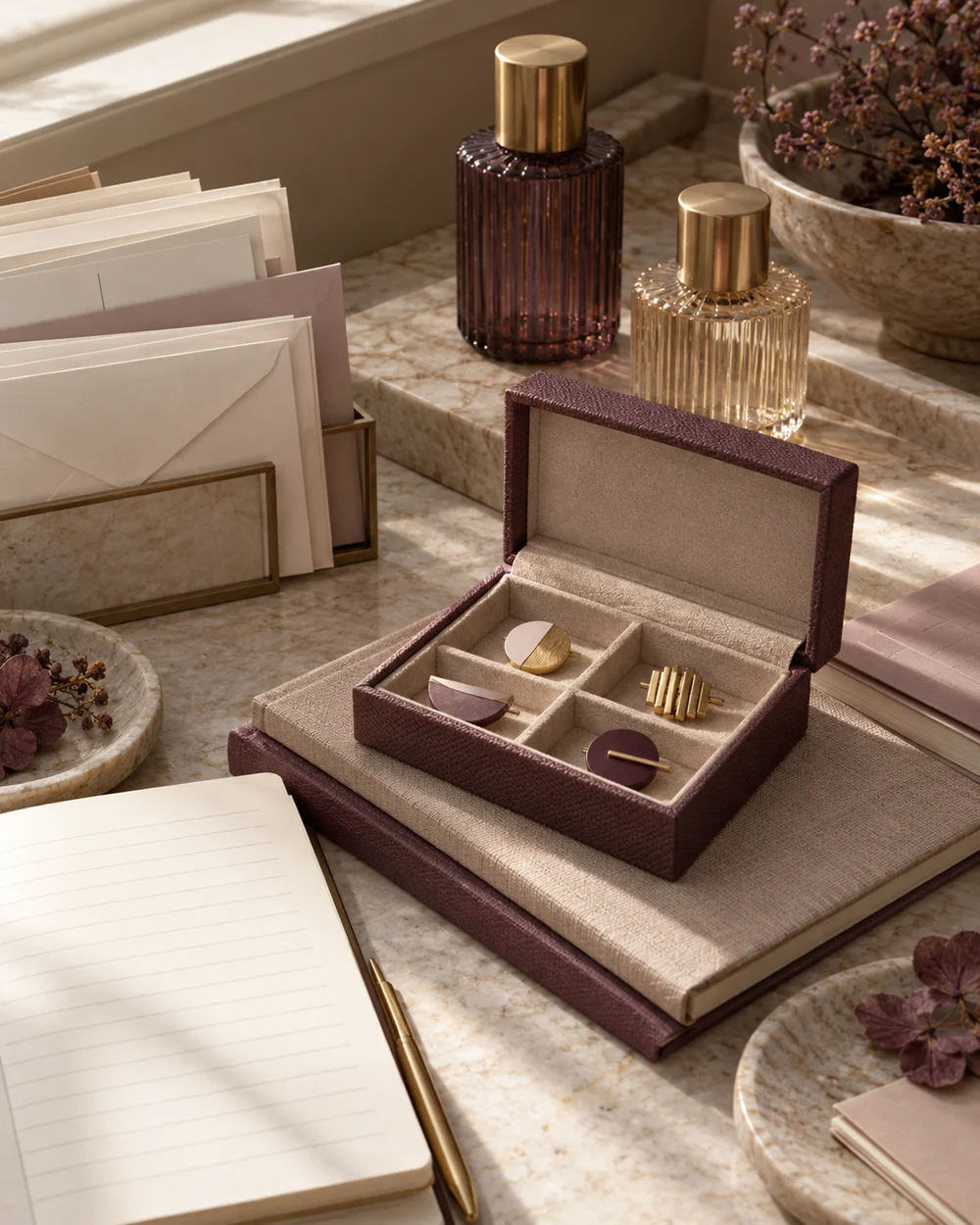
Accessory care
Keep Brooch Documentation With a Collection
Read the note ↗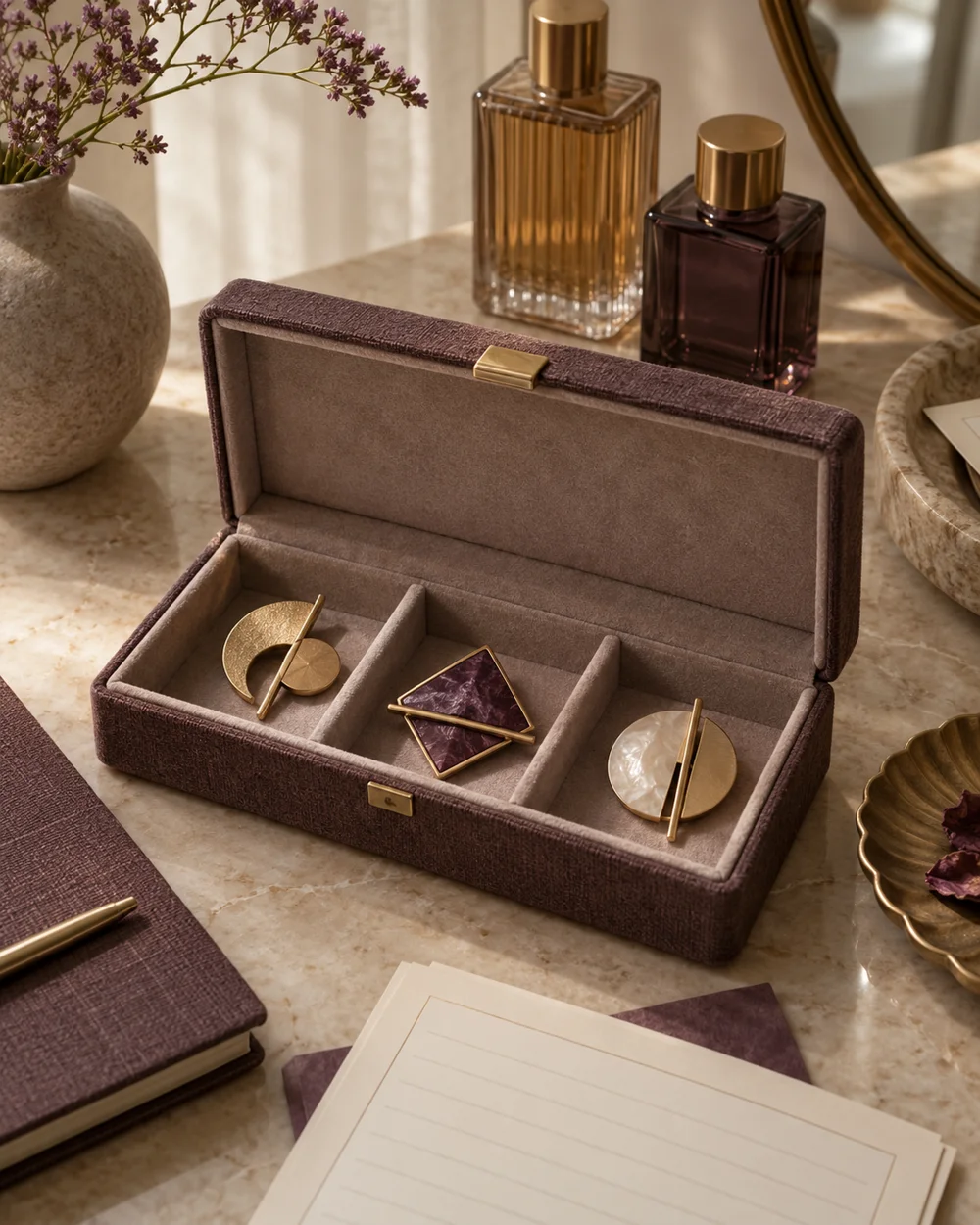
Accessory care
Plan a Small Accessory Box Reset
Read the note ↗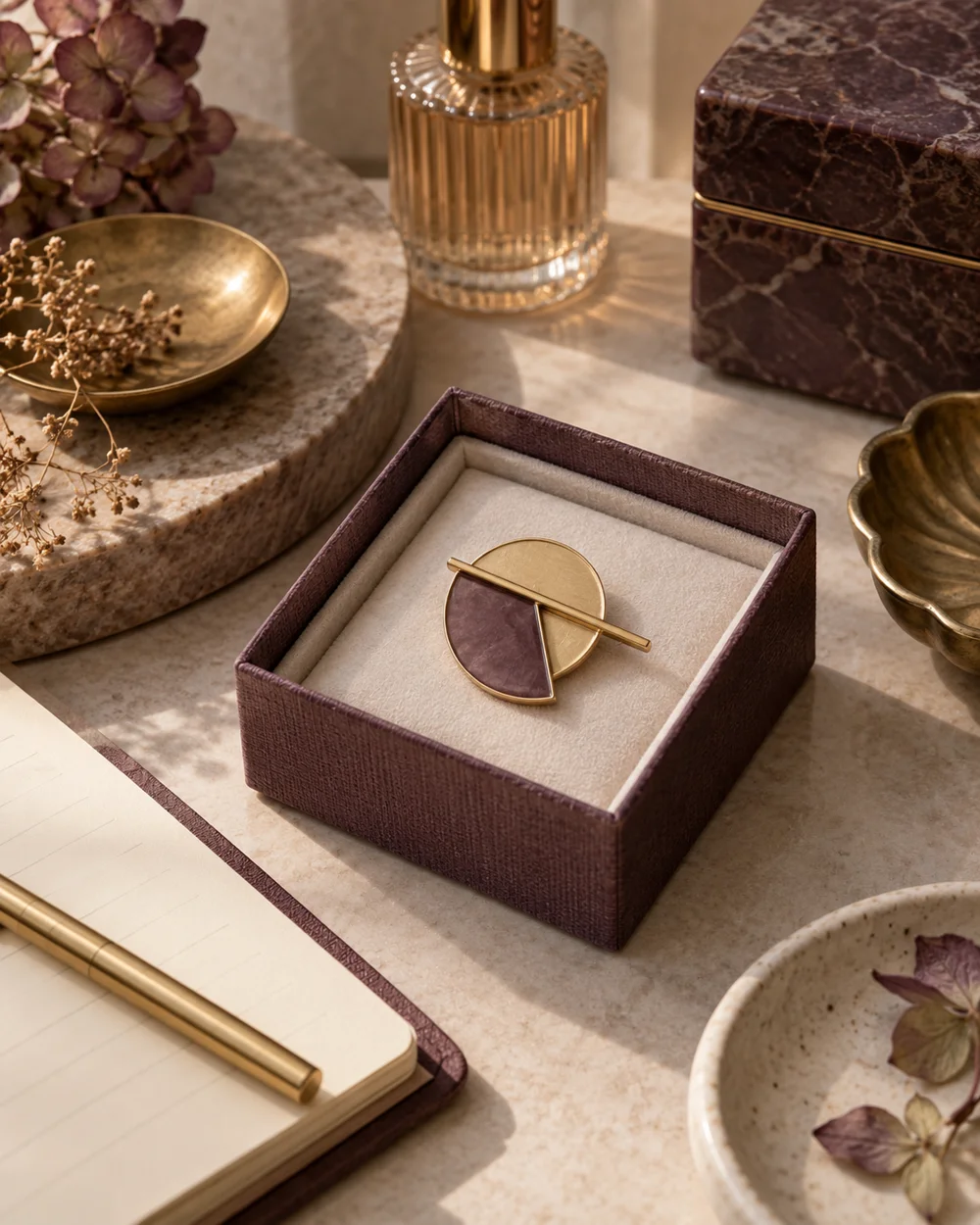
Accessory care
Prepare a Brooch for Short-Term Packing
Read the note ↗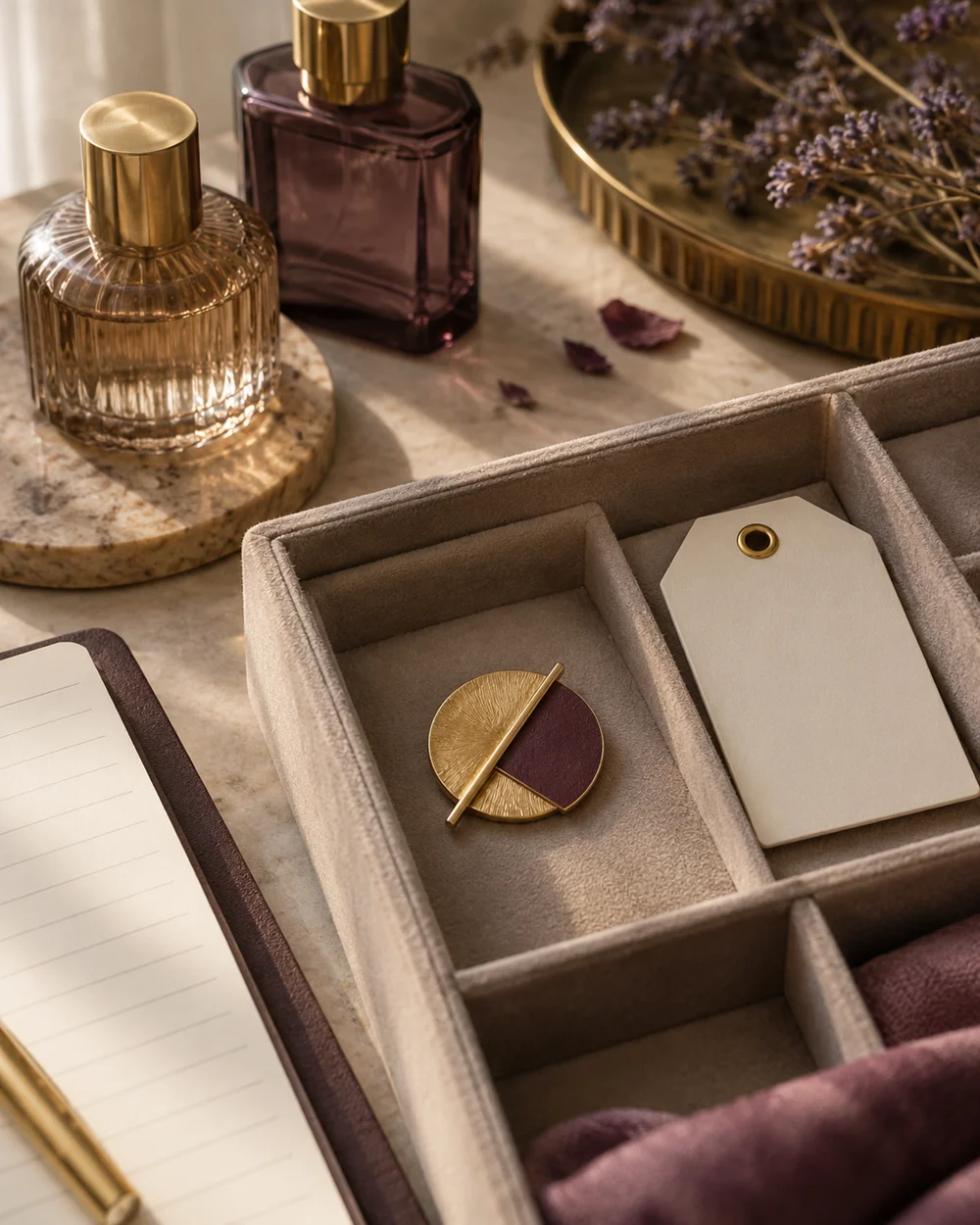
Accessory care
Separate a Brooch That Needs Professional Repair
Read the note ↗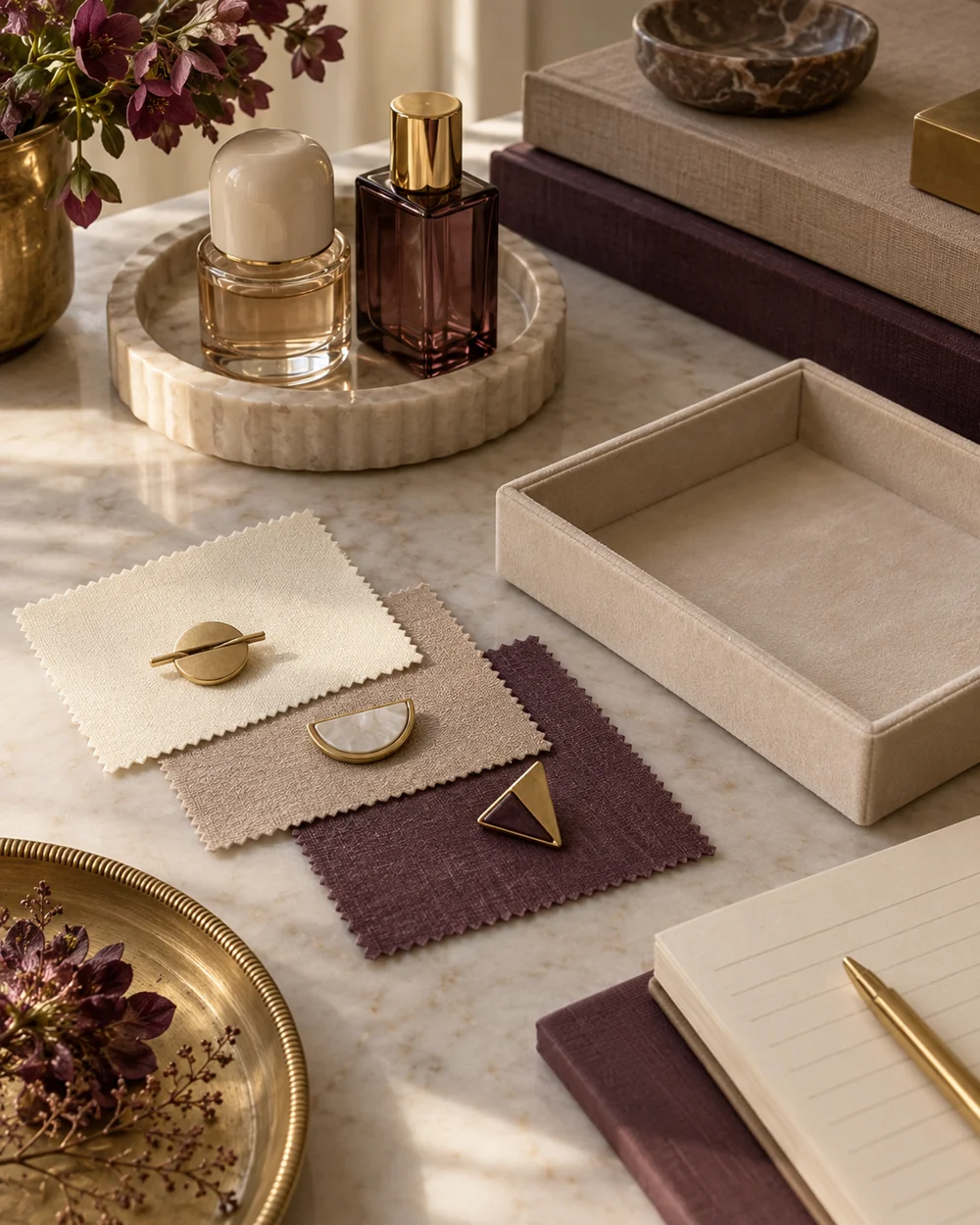
Accessory care
Choose a Plain Storage Lining for Accessories
Read the note ↗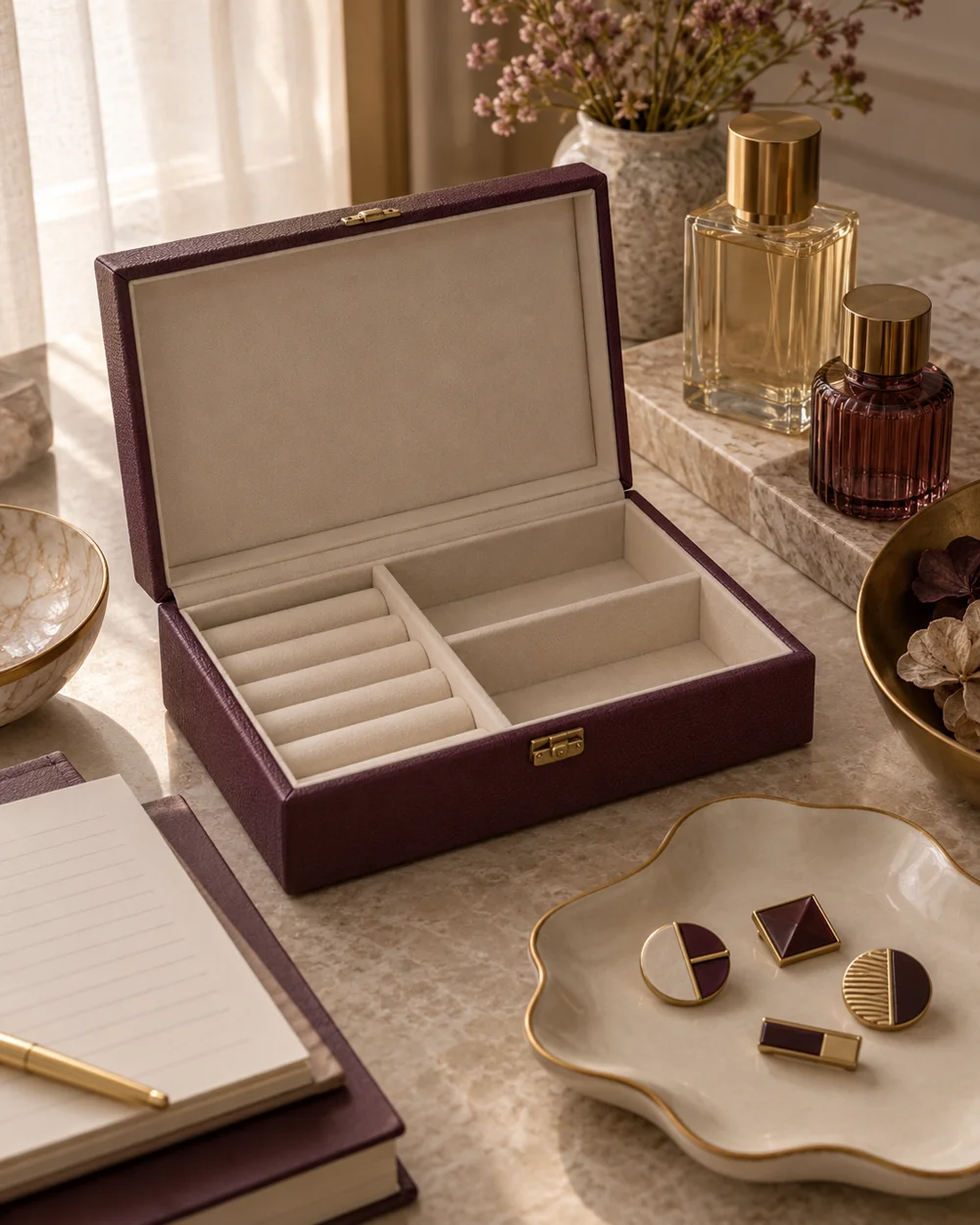
Accessory care
Check an Accessory Box Before Adding Delicate Pieces
Read the note ↗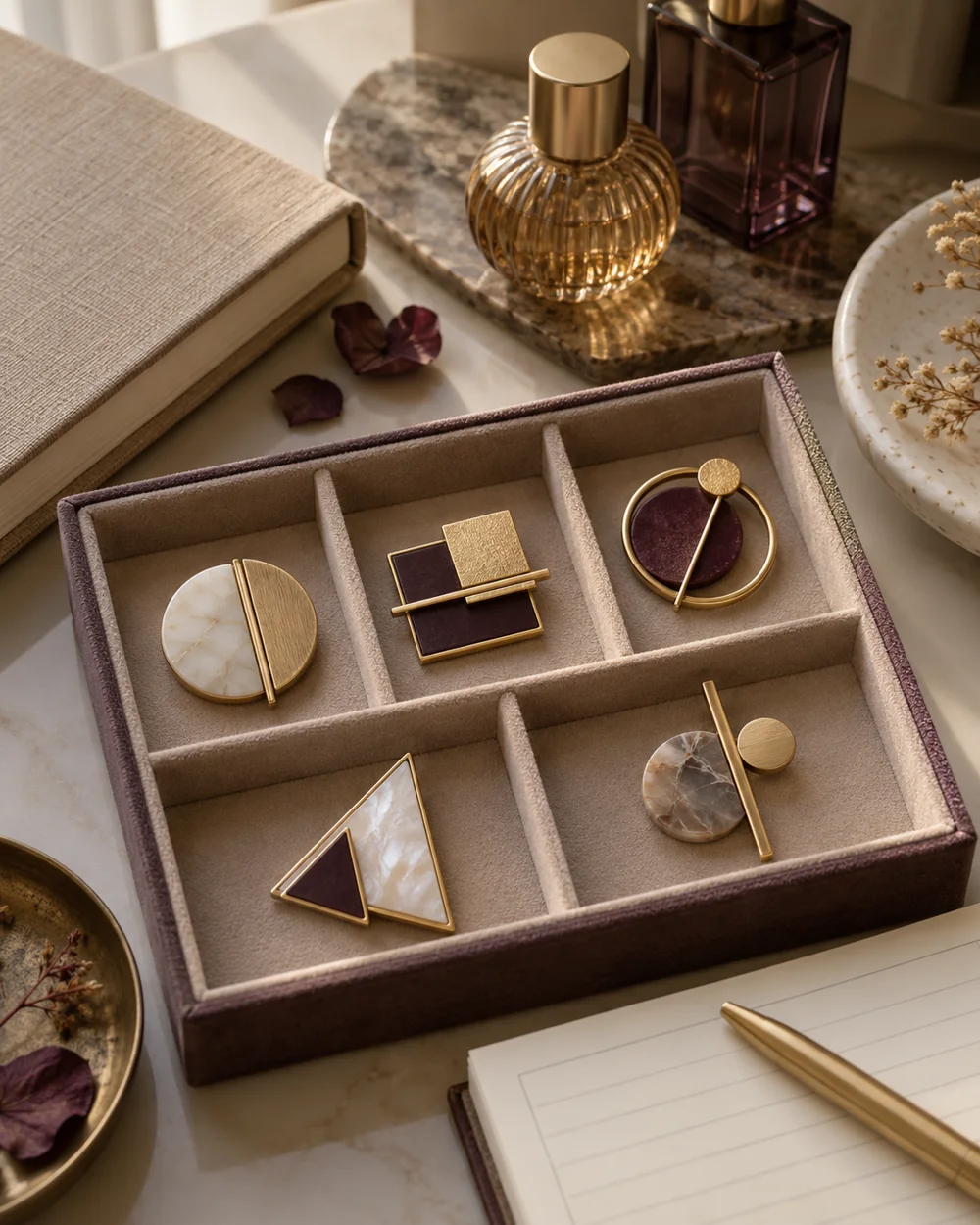
Accessory care
Organize Brooches Without Piling Them Together
Read the note ↗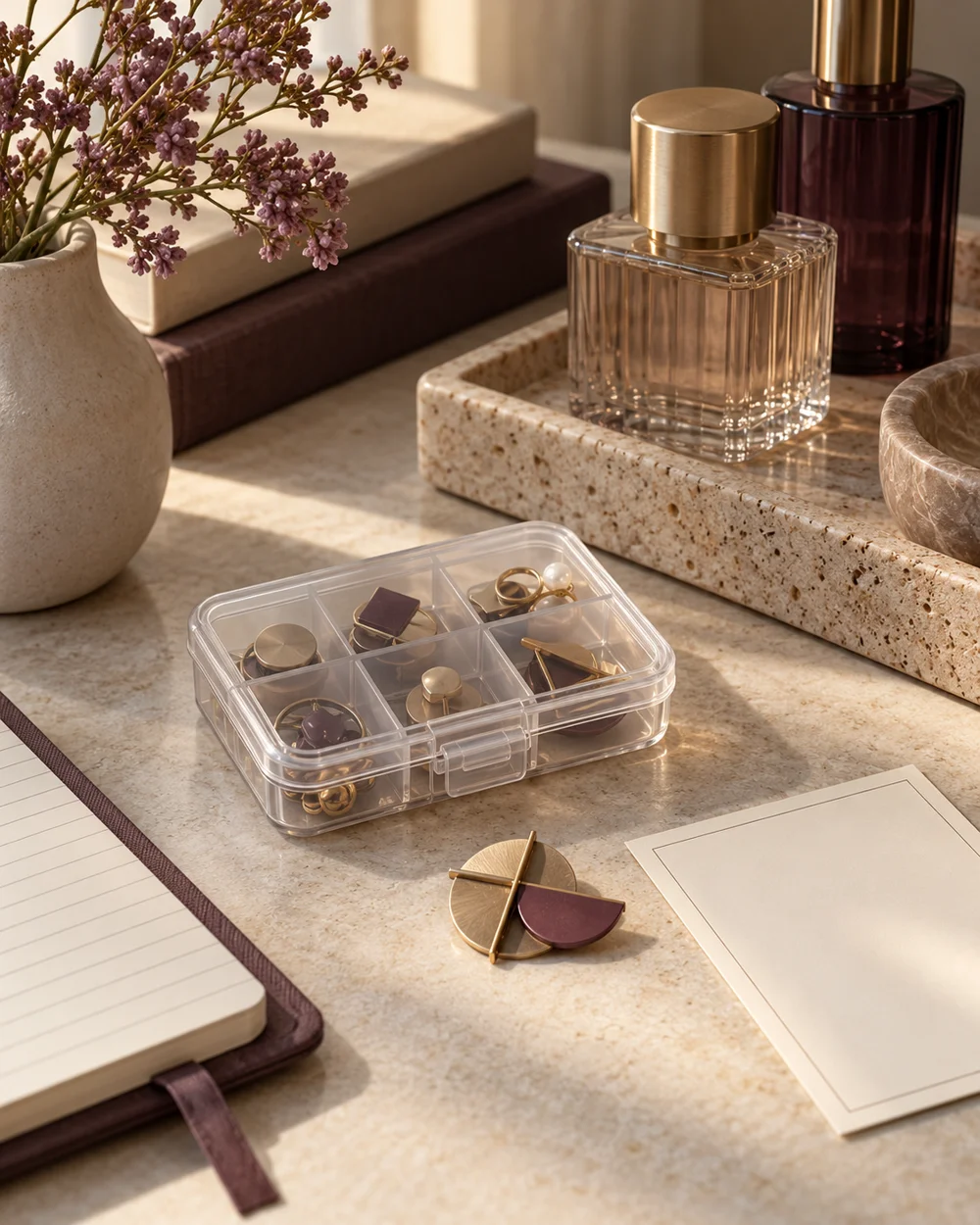
Accessory care
Keep Loose Brooch Parts Together for a Repairer
Read the note ↗
Accessory care
Create a Simple Brooch Photo Inventory
Read the note ↗
Accessory care
Plan a Maker-Specific Accessory Cleaning Checklist
Read the note ↗
Accessory care
Keep Accessories Separate From Fragrance Bottles
Read the note ↗
Accessory care
Set Up an Accessory Return Routine
Read the note ↗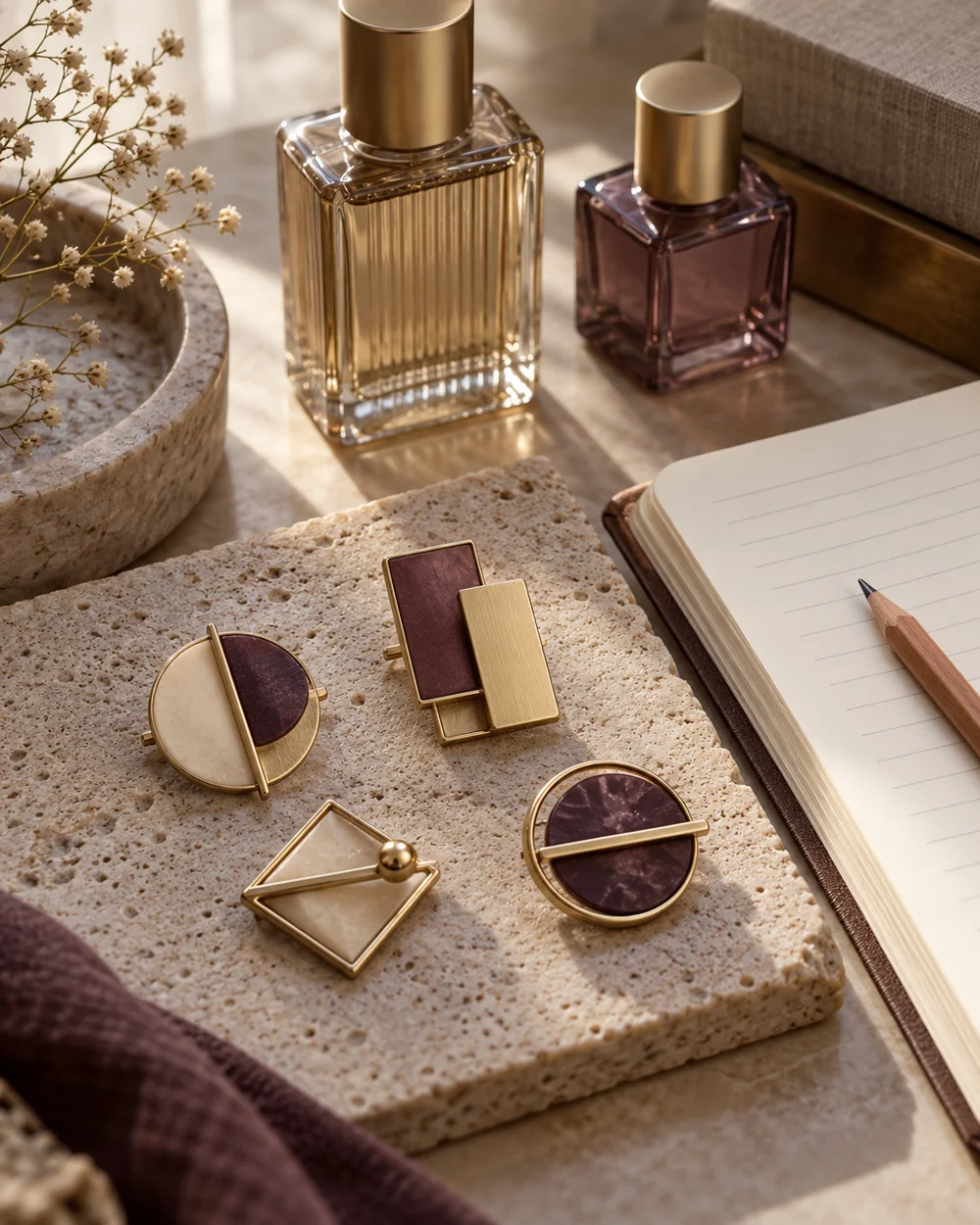
Accessory care
Review a Small Brooch Collection Before Buying More
Read the note ↗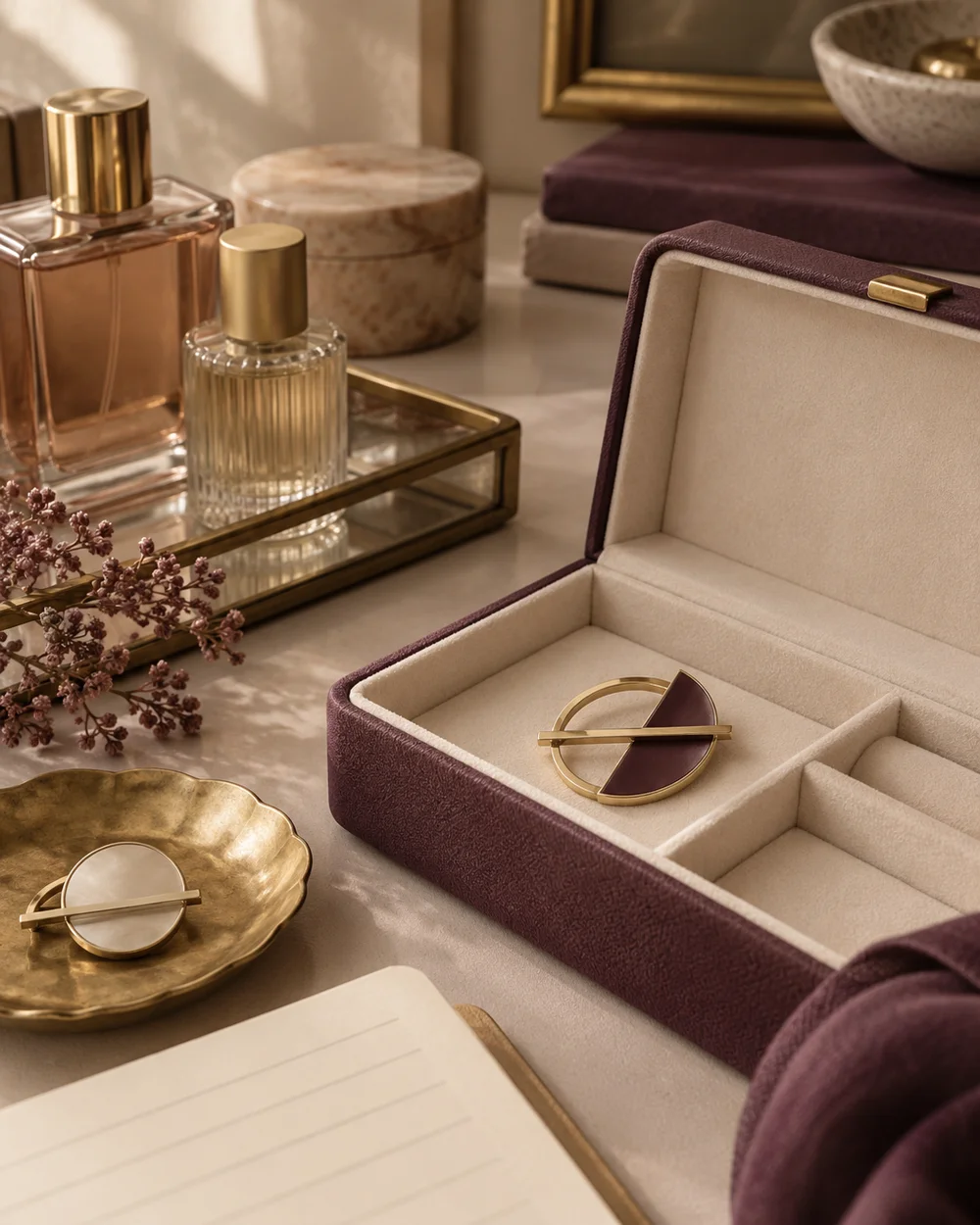
Accessory care
Keep a Delicate Brooch Away From Rough Storage Edges
Read the note ↗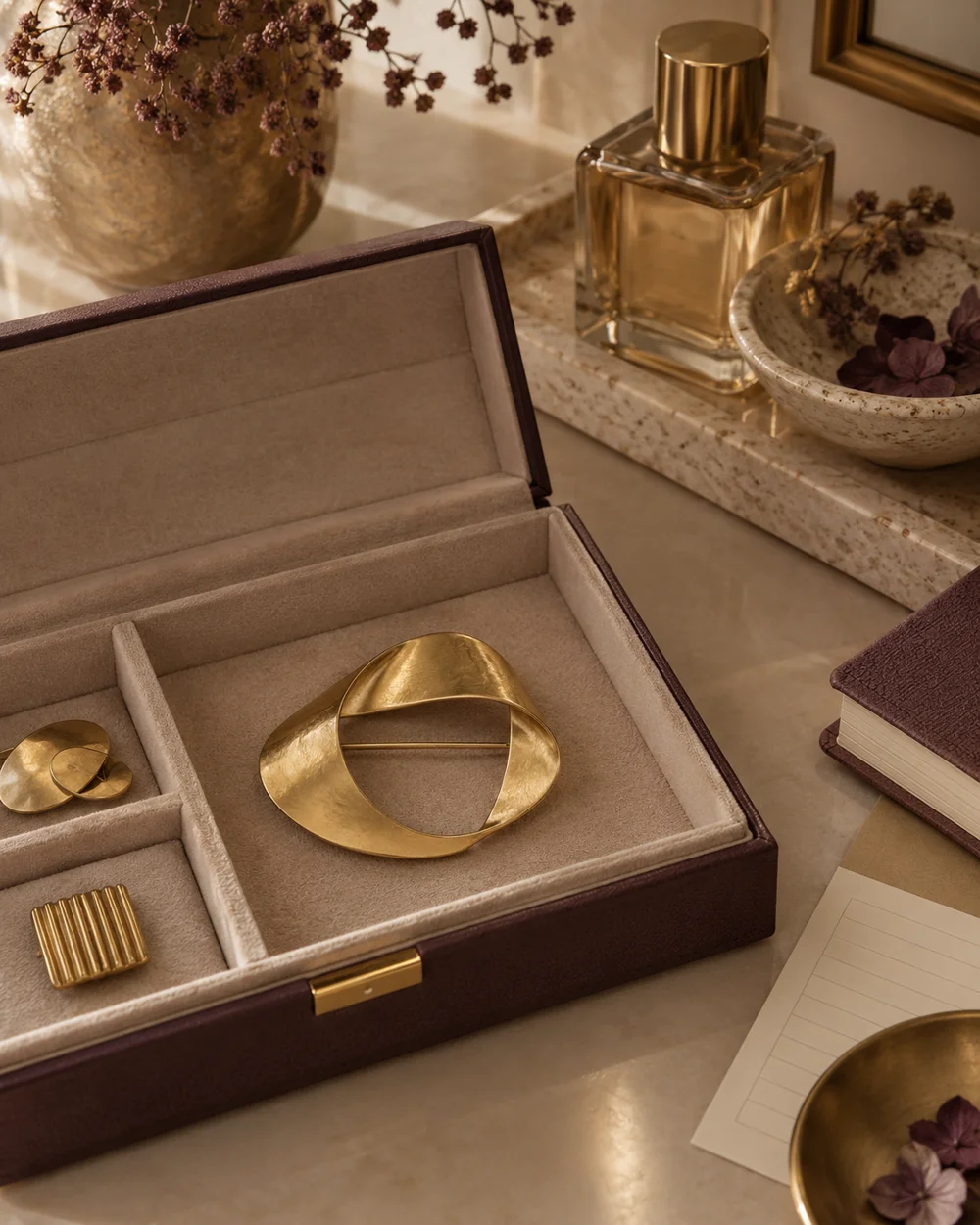
Accessory care
Store a Heavy Brooch With Its Whole Shape Supported
Read the note ↗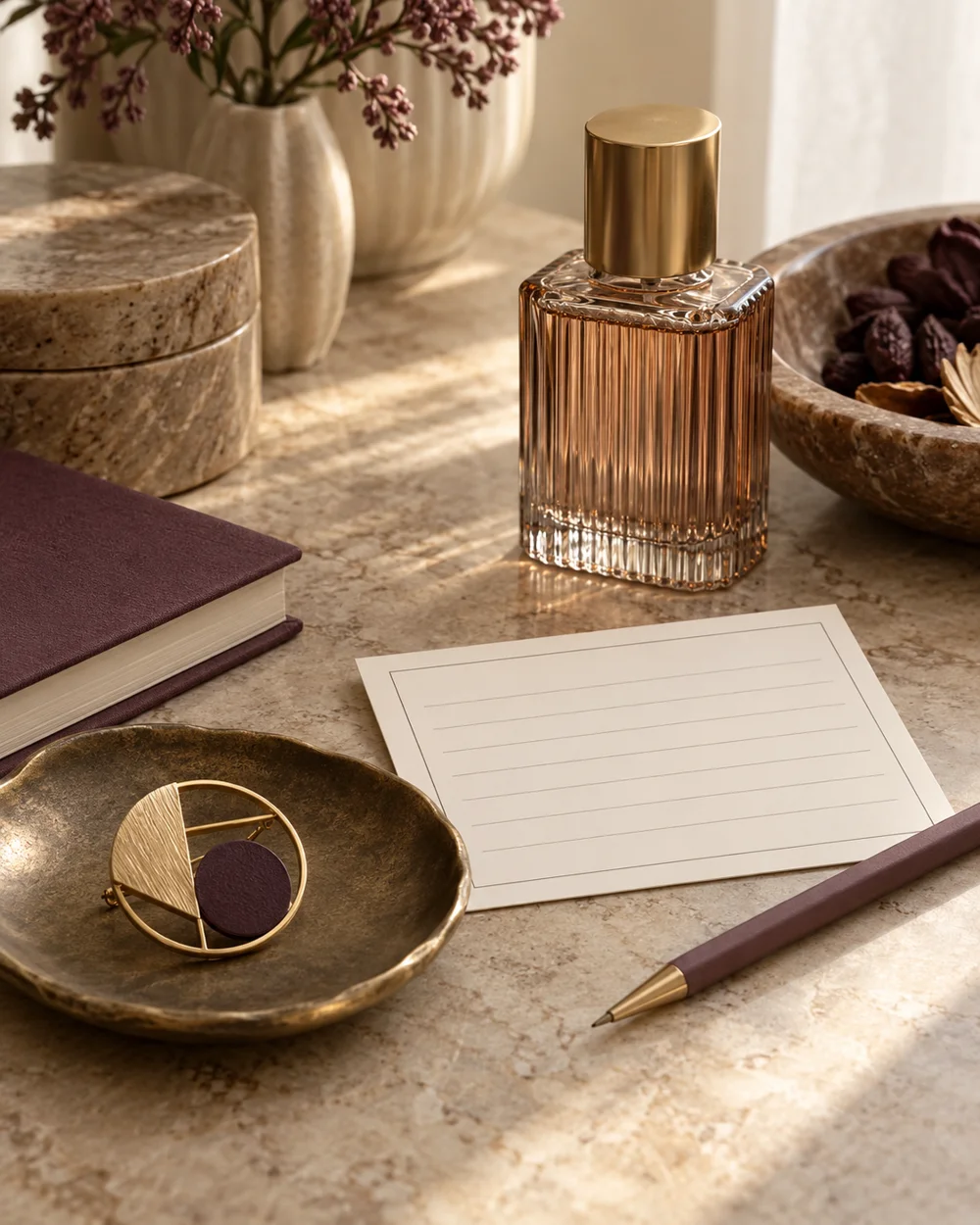
Accessory care
Write Clear Questions for a Jewelry Repairer
Read the note ↗
Accessory care
Create a Borrowed Accessory Return Record
Read the note ↗
Accessory care
Arrange a Brooch Box for Easy Visual Checks
Read the note ↗
Accessory care